Air Mattresses: The Ultimate Buyer's Guide
From guest rooms to camping trips, find the perfect inflatable bed. Our comprehensive guide covers everything you need to know about air mattresses.
SHOP TOP RATED AIR MATTRESSESWhy Choose an Air Mattress? Air mattresses are versatile, portable, and surprisingly comfortable. Whether you need a spare bed for guests, a reliable camping companion, or a temporary sleeping solution, modern air mattresses offer durability and support that rivals traditional beds.
Understanding Air Mattresses
Air mattresses, also known as inflatable beds, have evolved significantly from the flimsy pool floats of the past. Today, they feature advanced materials, built-in pumps, and ergonomic designs that provide a comfortable sleeping surface for a wide range of needs. They are an excellent choice for guest rooms, dorm rooms, and living rooms, offering a flexible sleeping solution that can be stored away when not in use.
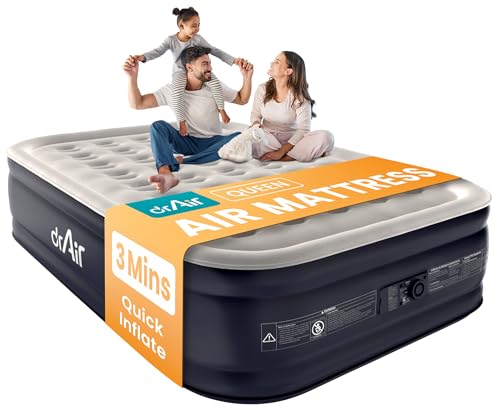
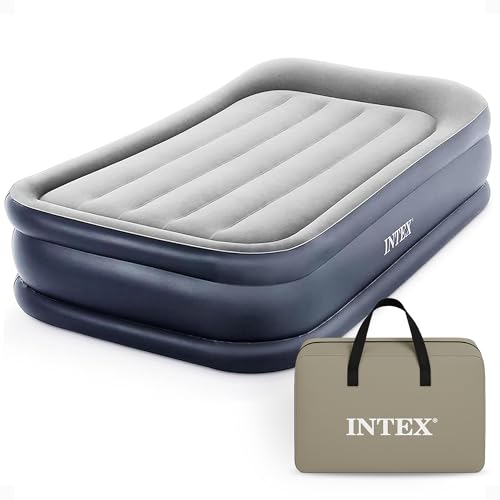
When shopping for an air mattress, you'll encounter several types, each designed for specific use cases. Raised air mattresses are the most popular for home use, sitting 16 to 22 inches off the ground, making them easier to get in and out of, and they often include built-in pillows. Low-profile air mattresses are ideal for camping and children, offering a lighter and more compact design. Air beds with built-in pumps are incredibly convenient, allowing for quick and effortless inflation and deflation with the push of a button. Additionally, some models feature dual chambers, allowing you to adjust the firmness on each side independently, which is a great feature for couples with different comfort preferences.
Key Features to Consider
Selecting the right air mattress involves evaluating several key features that impact comfort, durability, and convenience. Here’s what you should look for:
- Built-in Pump External or built-in pumps are a game-changer. Look for a model with a powerful, quiet electric pump for quick setup. A built-in pump is more convenient and reduces the risk of losing the pump.
- Material & Durability High-quality air mattresses use puncture-resistant materials like heavy-duty PVC or vinyl with a flocked top for a soft, non-slip sleeping surface. Look for multi-layered construction for added resilience.
- Height & Profile Raised models (16"–22") offer better comfort and are closer to a traditional bed height. They are easier to get in and out of, and often provide better insulation from cold floors.
- Weight Capacity Check the manufacturer's weight capacity. Standard mattresses support 300–600 lbs. Choose a heavy-duty model if you need higher weight support or plan to use it for two people.
- Size Options Air mattresses come in Twin, Full, Queen, and King sizes. Choose a size that fits your space and the number of people who will sleep on it. A Queen size is the most versatile choice for adults.
Air Mattress Sizes & Pricing
Air mattresses are available in standard bed sizes, making it easy to find one that fits your needs. Pricing varies based on size, features, and brand. Below is a general guide to current market prices.
| Size | Approximate Dimensions (W x L) | Best For | Price Range |
|---|---|---|---|
| Twin | 39" x 75" | Children, camping, single sleeper | $50 – $150 |
| Full | 54" x 75" | One adult or two children | $70 – $200 |
| Queen | 60" x 80" | Two adults, most popular for guests | $100 – $350+ |
| King | 76" x 80" | Two adults with extra space | $150 – $500+ |
Note: Prices are estimates and may vary. Air mattresses with advanced features like dual pumps, remote controls, or enhanced comfort layers typically cost more.
How to Use & Maintain Your Air Mattress
Proper care ensures your air mattress lasts for years. Here are some essential tips for setup, use, and maintenance:
- Inflation: Inflate your mattress a few hours before use. This allows the material to stretch and prevents over-inflation. Don't over-inflate; the mattress should feel firm but slightly give when you press down.
- Temperature Sensitivity: Air contracts in cold temperatures. You may need to re-inflate the mattress if you're camping in cooler weather.
- Cleaning: Wipe the surface with a mild soap and water solution. Never use harsh chemicals. Ensure it's completely dry before deflating and storing.
- Storage: Deflate fully and fold or roll the mattress according to the manufacturer's instructions. Store in a cool, dry place away from sharp objects and direct sunlight.
- Repairs: Most air mattresses come with a repair kit for minor punctures. Patch small holes immediately to prevent them from expanding.
Frequently Asked Questions
Are air mattresses comfortable for everyday use?
While designed for occasional use, some high-end air mattresses with good support can be used for a few weeks. However, for daily use, a traditional mattress is generally recommended.
How long does an air mattress last?
With proper care, a good quality air mattress can last 5–8 years. Cheaper models might last only a year or two.
Can I use an air mattress on a bed frame?
Yes, many air mattresses can be placed on a bed frame. However, ensure the frame provides proper support and ventilation. You can also use a bed with a headboard for a more stable setup.
What is the best way to prevent an air mattress from losing air?
Regularly check for and patch any small leaks. Avoid placing the mattress on rough surfaces and use a protective mattress pad or sheet.