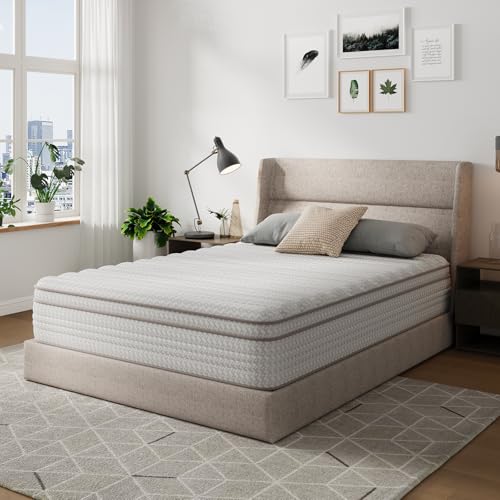
Organic Mattresses: The Complete Buying Guide
Everything you need to know before choosing a certified organic mattress — materials, certifications, comfort tiers, and how to match one to your sleep style. Research with confidence, then decide with clarity.
Explore Recommended ModelsWhy organic matters: You spend roughly a third of your life on a mattress, and conventional models can off-gas volatile organic compounds for weeks after unboxing. Organic mattresses replace synthetic foams and chemical flame retardants with certified natural materials — organic latex, organic cotton, and organic wool — giving health-conscious sleepers a cleaner, more breathable foundation for rest.
What Exactly Makes a Mattress "Organic"?
The word "organic" is one of the most loosely used terms in the mattress industry, so understanding the difference between marketing language and genuine certification is essential before you shop. A truly organic mattress uses certified raw materials throughout its core and comfort layers, and the finished product carries third-party verification. Without certification, "organic" is simply a claim.
Look for three foundational certifications. GOTS (Global Organic Textile Standard) verifies organic cotton and wool fibers. GOLS (Global Organic Latex Standard) confirms the latex core is grown and processed organically. GREENGUARD Gold measures low chemical emissions in the finished mattress. A model carrying all three is a genuine certified organic build rather than a partially natural hybrid.
The Core Materials Inside an Organic Mattress
Understanding the three primary materials helps you evaluate comfort, durability, and breathability before you commit. Each plays a distinct role, and the best organic mattresses balance all three.
Organic Latex
The supportive core of most premium organic builds. Harvested from rubber tree sap and processed without synthetic additives, organic latex is naturally buoyant, breathable, and resistant to dust mites. It delivers responsive support rather than the sink-in feel of memory foam.
Organic Cotton
Used in the cover and often in the comfort layers. Organic cotton is soft, moisture-wicking, and free from pesticide residue. It regulates temperature well and gives the mattress a crisp, breathable surface that hot sleepers appreciate.
Organic Wool
Naturally flame-resistant without chemical treatment, organic wool serves as a fire barrier and a temperature regulator. It wicks moisture away from the body in summer and retains warmth in winter, making it a versatile comfort layer.
Certifications to Verify Before You Buy
Certifications are your protection against greenwashing. Rather than reading marketing copy, check which third-party standards a mattress actually meets. The table below summarizes what each certification covers so you can compare models on substance rather than slogans.
| Certification | What It Verifies | Best For |
|---|---|---|
| GOTS | Organic status of cotton and wool fibers, from farming through processing | Sleepers focused on natural textiles and chemical-free covers |
| GOLS | Organic origin and processing of latex foam core | Anyone prioritizing a certified organic support core |
| GREENGUARD Gold | Low chemical emissions in the finished mattress | Nurseries, sensitive sleepers, and indoor air quality |
| OEKO-TEX Standard 100 | Absence of harmful substances in textiles | Allergy-sensitive sleepers and families with children |
Organic Mattress Tiers: Which Build Suits You?
Organic mattresses fall into distinct market tiers based on construction depth, material sourcing, and finish quality. Since every sleeper has different priorities, compare tiers by what they deliver rather than by any single attribute. The table below frames each tier by its intended buyer.
| Tier | Typical Construction | Best For |
|---|---|---|
| Entry-level | Thinner organic latex core with organic cotton cover; simpler certification set | First-time organic buyers and guest rooms |
| Mid-range | Layered latex with wool comfort layer; GOTS and GOLS certified | Daily sleepers wanting balanced support and breathability |
| Premium | Multi-zone organic latex, hand-tufted organic wool, full certification suite | Sleepers with back or joint sensitivity |
| Luxury | Flagship organic construction with custom firmness and reinforced edge support | Couples and sleepers seeking long-term investment comfort |
Matching Organic Firmness to Your Sleep Position
Organic latex responds differently from memory foam — it pushes back rather than sinking, so firmness selection matters even more. Side sleepers generally need a softer surface to cushion the shoulders and hips, while back and stomach sleepers benefit from a firmer build that keeps the spine neutral. Combination sleepers should prioritize a medium feel that supports movement without pressure buildup.
If you share a bed with a partner who prefers a different firmness, consider a split-firmness organic model or a latex topper that fine-tunes the surface. Our guide to pillow top mattresses explains how a comfort layer changes the feel of an organic core, and our mattress buying guide walks through firmness testing in more depth.
Health, Allergies, and Indoor Air Quality
For allergy sufferers, organic mattresses offer a meaningful advantage: natural latex and organic cotton resist dust mites, mold, and mildew far better than synthetic foam. Combined with OEKO-TEX certified textiles, an organic build reduces the chemical exposure that can trigger sensitivity in children and adults alike.
Pair your organic mattress with breathable bedding to maximize the benefit. Our organic bedspread guide covers certified textile options, and our pillow comparison helps you choose a natural pillow that matches your new mattress height. For a fully restful bedroom, see our sleep health resources.
Caring for an Organic Mattress
Organic materials reward gentle care. Rotate your mattress every three to six months to distribute wear evenly, and use a breathable organic mattress protector rather than a waterproof plastic cover that traps heat. Avoid harsh chemical cleaners — a vacuum with a soft brush attachment handles surface dust effectively. Spot-clean with mild soap and cool water, and air the mattress in indirect sunlight periodically to refresh the natural fibers.
With proper care, a certified organic latex mattress typically lasts 10 to 15 years. Our mattress care tips guide expands on rotation schedules and cleaning routines, while our when to replace your mattress article helps you recognize the signs that it is time for a new build.
Quick Pre-Purchase Checklist
Before you finalize a decision, run through these checkpoints to confirm the mattress meets your standards for certification, comfort, and construction.
- Confirm GOTS, GOLS, or GREENGUARD Gold certification with verifiable certificate IDs
- Match firmness to your primary sleep position and body weight
- Check the thickness of the organic latex core — deeper cores generally offer more durable support
- Verify the trial period and warranty terms in writing
- Confirm the mattress protector and bedding you plan to use are breathable
- Review edge support if you sit on the edge of the bed regularly
- Ask about return shipping in case the firmness is not right for you
Frequently Asked Questions
What makes a mattress organic?
A mattress is considered organic when its core and comfort layers use certified organic materials such as organic latex, organic cotton, and organic wool, and when the finished product carries recognized third-party certifications like GOTS, GOLS, or GREENGUARD Gold.
Are organic mattresses better for allergy sufferers?
Organic mattresses made with natural latex and organic cotton naturally resist dust mites, mold, and mildew, making them a strong option for allergy-sensitive sleepers. Look for models with OEKO-TEX Standard 100 certification to further reduce chemical exposure.
How long do organic mattresses last?
A well-constructed organic latex mattress typically lasts 10 to 15 years with proper care, which is longer than many conventional foam mattresses. Rotating the mattress regularly and using a breathable organic mattress protector helps extend its lifespan.
Do organic mattresses sleep cooler than memory foam?
Yes. Organic latex and cotton are naturally breathable and moisture-wicking, so they tend to sleep cooler than dense memory foam. Hybrid organic models with coil cores provide even better airflow for hot sleepers.
Continue Your Research
If you are building out a healthier bedroom, explore our guides on organic mattresses alongside complementary topics. Pair your mattress with organic bedding and a supportive pillow and throw set. For bedroom styling that complements a natural aesthetic, see our minimalist bedroom guide and modern bedroom inspiration.