Why Wall Art Prints Matter in a Bedroom
Wall art prints are one of the simplest yet most impactful ways to shape the mood of a bedroom. Unlike furniture, which is constrained by floor space and function, wall decor works with the vertical surfaces of a room—the areas most often left empty but most visible from the bed. A thoughtfully chosen print can soften a stark wall, introduce color, reinforce a design theme, or make a compact room feel intentional rather than unfinished.
Beyond aesthetics, wall art contributes to the psychological comfort of a sleep space. A bedroom that feels personalized and visually coherent is more relaxing to return to each night. Prints that reflect your interests—nature scenes, abstract compositions, typography, or photography—create a sense of ownership and calm that mass-produced furniture alone rarely achieves.
This guide walks you through every decision involved in buying and styling wall art prints for a bedroom: print types, sizing rules, placement, framing, gallery wall layouts, color coordination, and practical installation tips. Whether you are decorating a primary bedroom, a guest room, or a child's room, the principles here will help you choose prints that look deliberate and last for years.
Understanding Wall Art Print Types
Before you choose a design, it helps to understand what "wall art print" actually means. The term covers several distinct products, each with different materials, visual character, and durability. Knowing the differences will help you match a print to your room's needs and your long-term expectations.
Paper Prints (Unframed)
Paper prints are the most common and versatile option. They are typically produced on matte or satin paper using archival pigment inks, and they are sold either unframed or with a frame. Unframed paper prints offer flexibility: you can choose a frame that matches your bedroom furniture, add a mat, and change the display over time without replacing the artwork. They are an excellent choice for renters or anyone who likes to refresh decor periodically.
Canvas Prints
Canvas prints are stretched over a wooden frame and arrive ready to hang, with no glass and no separate framing required. They have a softer, textured look and a more casual, gallery-style presence. Canvas works well in bedrooms with a relaxed or coastal aesthetic, but it is less suited to highly detailed fine-art reproductions because the weave can slightly soften fine lines. Canvas prints are generally durable and easy to dust.
Framed Prints
Framed prints combine paper artwork with a rigid frame and often a mat board. They look more formal and finished than unframed paper, and the frame itself becomes part of the design. Framed prints are ideal for bedrooms with a traditional, transitional, or tailored modern style. The frame material and mat width strongly influence the perceived quality, so this is an area where careful selection pays off.
Metal and Acrylic Prints
Metal prints fuse the image directly onto an aluminum panel, producing vivid colors and a sleek, contemporary finish. Acrylic prints encase the image under a glossy, glass-like surface. Both are striking in modern bedrooms but can be highly reflective, which is worth considering if your bedroom receives strong morning light or if you prefer a very low-glare environment. These formats sit at the premium and luxury end of the market and are typically chosen as statement pieces.
Textile and Tapestry Prints
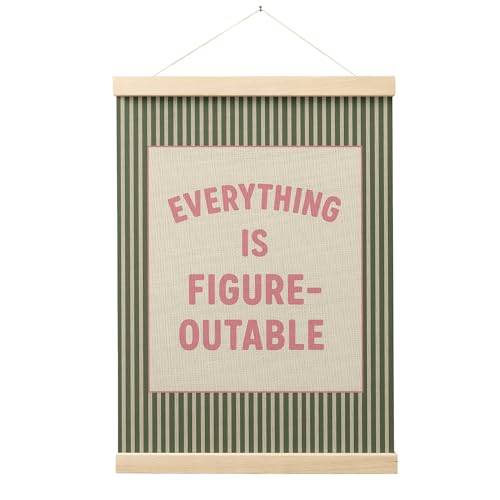
Fabric wall hangings offer a softer, more acoustic-friendly alternative to rigid prints. They suit bohemian, eclectic, and layered bedroom styles, and they are lightweight enough to hang with minimal hardware. Tapestries can be a good option for renters or for rooms where you want to reduce echo.
How to Choose the Right Size for Wall Art Prints
Size is the single most common reason wall art looks "off" in a bedroom. A print that is too small leaves a wall feeling sparse; a print that is too large can overwhelm the room. The right size depends on the wall, the furniture beneath it, and the viewing distance from the bed.
The 60–75% Rule for Above-Bed Art
A widely used guideline is that art placed above a bed or dresser should span roughly 60% to 75% of the width of the furniture below it. For example, if your headboard is a queen-size bed frame, a single large print or a grouped set of prints should occupy most of the headboard's width, leaving balanced wall space on either side. This proportion keeps the artwork visually connected to the furniture rather than floating independently.
Hanging Height
The center of the artwork should generally sit at eye level—around 57 to 60 inches from the floor—when viewed from a standing position. In bedrooms, however, art above the bed is often viewed while sitting or lying down, so it is acceptable to hang it slightly lower so it remains comfortably visible from the pillow. A common approach is to leave 6 to 10 inches of space between the top of the headboard and the bottom of the frame.
Sizing by Wall Type
On a large, empty wall, a single oversized print or a coordinated set of three to five pieces creates a focal point. On narrow walls beside a bed or between windows, vertical prints work better because they follow the wall's proportions. On low walls under sloped ceilings, horizontal prints keep the composition stable.
| Tier | Typical Format | Best For |
|---|---|---|
| Entry-level | Small unframed paper prints | Renters, first apartments, quick refresh |
| Mid-range | Framed prints and standard canvas | Primary bedrooms, coordinated gallery walls |
| Premium | Large canvas, archival framed prints | Statement walls, long-term decor |
| Luxury | Metal, acrylic, and limited-edition prints | Designer bedrooms and focal features |
Where to Place Wall Art Prints in a Bedroom
Placement determines whether wall art feels integrated or accidental. In a bedroom, the most common and effective locations are above the bed, above a dresser or nightstand, on a dedicated accent wall, and in small transitional spaces such as beside a closet or doorway.
Above the Bed
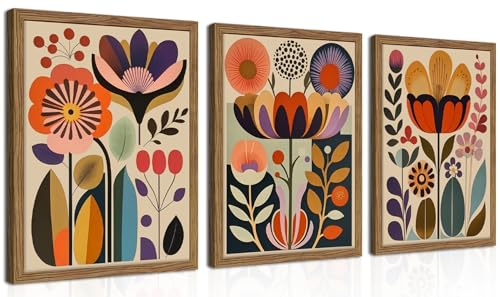
The wall above the bed is the natural focal point of the room. A single large print, a triptych, or a small gallery cluster works well here. Keep the composition centered on the bed rather than on the wall itself, especially if the bed is not perfectly centered in the room. Avoid art with heavy or disturbing imagery directly above the head of the bed; restful scenes, abstract forms, and soft color palettes tend to work best.
Above a Dresser or Nightstand
Art above a dresser anchors the furniture and creates a secondary focal point. A single medium print or a pair of matching prints is usually sufficient. If you have a vanity table in the bedroom, a framed print or a small mirror-and-print combination can make the area feel intentional.
Accent Walls and Reading Corners
An accent wall behind a reading chair or beside a wall-mounted bedside table is an opportunity for a more expressive arrangement. A vertical print or a narrow gallery stack can define a small zone without occupying floor space. This is especially useful in smaller bedrooms where furniture layout is tight.
Small and Awkward Walls
Narrow walls between windows, beside doors, or above low furniture can be difficult to decorate. Vertical prints, pairs of small frames, or a single tall canvas can turn these spaces into deliberate design features. In rooms with twin beds for small rooms, wall art is often the best way to add personality without adding furniture.
Gallery Wall Ideas for Bedrooms
A gallery wall is a grouped arrangement of multiple prints that reads as a single composition. It is a popular choice in bedrooms because it allows you to combine different subjects, sizes, and frame styles while maintaining a cohesive look. The key is planning the layout before anything goes on the wall.
Plan on the Floor First
Lay your frames on the floor in front of the target wall and arrange them until the spacing and balance feel right. Photograph the arrangement on your phone so you can reference it during installation. This simple step prevents unnecessary nail holes and helps you visualize scale.
Choose a Layout Pattern
Common gallery layouts include the grid (equal-sized frames in neat rows), the salon style (mixed sizes filling a wall from edge to edge), the symmetrical arrangement (mirrored around a central axis), and the organic cluster (loosely spaced frames that grow outward from a center). For bedrooms, the grid and symmetrical layouts tend to feel calmer and more ordered, while salon-style walls suit eclectic or maximalist interiors.
Keep Consistent Spacing
Aim for 2 to 3 inches of space between frames. Consistent spacing is what makes a mixed gallery look intentional rather than chaotic. If you use different frame styles, repeat at least one element—such as frame color or mat width—to create visual unity.
Matching Wall Art to Your Bedroom Style
Wall art should feel like it belongs in the room, not like it was added as an afterthought. The most reliable way to achieve cohesion is to coordinate with the room's existing palette, materials, and overall design language.
Color Coordination
Pull one or two colors from your bedding, rug, or curtains and repeat them in the artwork. You do not need to match exactly; a related tone is enough to create harmony. If your bedroom is neutral, wall art is an opportunity to introduce a controlled accent color. If the room is already colorful, choose prints with restrained palettes so the walls do not compete with the bedding and furniture.
Style Alignment
Modern and minimalist bedrooms suit abstract prints, architectural photography, and simple line art with thin frames. Traditional bedrooms pair well with botanical prints, landscapes, and classic framed art with wider mats. Rustic and farmhouse bedrooms work with nature photography, typography, and weathered frame finishes. Bohemian bedrooms can handle textile hangings, mixed-frame galleries, and richly colored prints.
Mood and Subject Matter
Because bedrooms are rest spaces, subject matter matters. Calming landscapes, soft abstracts, botanical studies, and gentle typography tend to support relaxation. High-contrast or highly energetic imagery can work as a deliberate statement, but it is usually better placed away from the head of the bed.
Framing and Finishing Options
The frame is not a neutral accessory—it changes how a print reads. A thin black frame looks contemporary; a warm wood frame feels organic; a gold or brass frame adds a traditional or glamorous note; a white frame keeps the composition light and airy.
Mat Boards
A mat board creates breathing room between the artwork and the frame. Wider mats generally look more formal and gallery-like, while narrow or no mats feel more casual and modern. For small prints on large walls, a generous mat can make the piece feel more substantial.
Glazing
Glass and acrylic glazing protect paper prints from dust and fading. Standard glass offers clarity but can be heavy and reflective. Acrylic is lighter and safer for large frames. Anti-glare or museum glass reduces reflections, which is worth considering if your bedroom has bright windows opposite the artwork.
Hardware and Hanging
Use appropriate hanging hardware for the weight of the piece. Canvas and lightweight frames may need only a single hook, while large framed prints benefit from two hooks or a French cleat. Adhesive strips work for small, light prints but are not suitable for heavy frames or humid rooms.
Practical Installation and Maintenance Tips
- Check the light: Observe how sunlight moves through the bedroom during the day. Strong direct light can fade prints over time, so consider UV-protective glazing or repositioning art away from direct sun.
- Account for humidity: Bedrooms can be humid, especially in coastal or tropical climates. Canvas and framed prints generally handle humidity well, but paper prints benefit from proper glazing and a dry interior wall.
- Anchor safely: In bedrooms with children or pets, secure frames with safety hooks or adhesive putty to prevent them from shifting or falling.
- Dust gently: Use a soft, dry microfiber cloth for frames and canvas. Avoid spraying cleaning products directly onto artwork.
- Rotate seasonally: If you build a collection, rotating prints between rooms keeps the decor fresh without additional purchases.
- Keep it balanced: If you hang art on one side of the bed, consider a complementary element on the other—such as a mirror, a shelf, or a second print—to maintain visual balance.
Frequently Asked Questions About Wall Art Prints
How high should wall art be above a bed?
A common guideline is to leave 6 to 10 inches between the top of the headboard and the bottom of the frame, with the center of the artwork roughly at seated eye level. This keeps the art visible from the pillow without feeling disconnected from the bed.
How many prints should I hang above a bed?
One large statement print, a triptych, or a small cluster of three to five pieces are all effective. The right number depends on the wall width and the size of each piece. As a rule, the total arrangement should span about 60% to 75% of the headboard width.
Are canvas prints or framed prints better for a bedroom?
Canvas prints feel more casual and require no framing, making them easy to hang and maintain. Framed prints look more formal and finished and allow you to customize the frame and mat. Both work well in bedrooms; the choice depends on your style and how much control you want over the final look.
Can I hang wall art in a rental bedroom?
Yes. Lightweight framed prints can be hung with adhesive strips or small hooks that leave minimal damage. Canvas prints are also rental-friendly because they are light and require only a single hook or adhesive mount. Textile hangings are another low-impact option.
How do I choose a color palette for bedroom wall art?
Start with the colors already present in your bedding, rug, or curtains, and choose prints that repeat one or two of those tones. If the room is neutral, use art to introduce a single accent color. Consistency across two or three colors is usually enough to make the room feel cohesive.
Should wall art match the bed frame?
It does not need to match exactly, but it should relate. A warm wood bed frame pairs naturally with warm-toned frames or botanical prints, while a metal or upholstered frame can support more contemporary or abstract art. Repeating frame material or color is an easy way to create cohesion.
Ready to Style Your Bedroom Walls?
Browse our recommended wall art prints and find the right pieces to complete your sleep sanctuary. Every selection is chosen to help you create a calmer, more personal bedroom.
EXPLORE WALL ART PRINTSFinal Thoughts on Choosing Wall Art Prints
Wall art prints are one of the most flexible tools in bedroom design. They can fill empty walls, reinforce a color palette, add personality, and make a room feel finished—all without changing the furniture layout. The key is to approach the decision deliberately: understand the print type, choose the right size, plan the placement, coordinate with the room's existing style, and frame the artwork in a way that supports the overall look.
Whether you are decorating a primary bedroom, a guest room, or a smaller space with twin beds or twin XL beds, the same principles apply. Start with one well-chosen focal piece, build from there, and let the walls work with the rest of the room rather than against it. With a little planning, wall art prints become more than decoration—they become part of the calm, restful environment that a bedroom is meant to be.