Best Sheets: The Complete Buying Guide
Your bed sheets touch your skin for a third of your life. Discover how to choose the right material, weave, and fit for truly restful nights and wake up refreshed every morning.
Explore Sheet MaterialsWhy sheets matter more than you think: The right sheets regulate temperature, wick moisture, and reduce skin irritation. A well-chosen bedding set transforms your sleep quality without requiring a full bedroom overhaul. This guide walks you through every decision point so you can buy with confidence.
Understanding Sheet Materials
The fabric your sheets are made from is the single most important factor in how they feel, how long they last, and how well they regulate your body temperature overnight. Different materials suit different sleepers, climates, and care routines.
Cotton: The All-Rounder
Cotton remains the most popular sheet material because it balances breathability, durability, and softness. Within cotton, several varieties stand out. Egyptian cotton and Pima cotton produce longer fibers, which translate to smoother, stronger yarns that resist pilling over time. Supima cotton is a premium American-grown variety with similar long-staple qualities.
For a deeper look at how cotton sheets compare with other options, browse our dedicated bed sheets collection. Cotton sheets work well for most sleepers, though hot sleepers may prefer a percale weave for maximum breathability, while those who love a silky feel gravitate toward sateen.
Linen: Breathable and Relaxed
Linen sheets are woven from flax fibers and are prized for their exceptional breathability and moisture-wicking properties. They feel crisp at first and soften dramatically with each wash, developing a relaxed, lived-in texture. Linen is an excellent choice for warm climates and hot sleepers, though it wrinkles easily and typically sits in the premium to luxury tier of the market. If you value natural texture and temperature regulation above a perfectly smooth finish, linen deserves serious consideration.
Microfiber and Synthetic Blends
Microfiber sheets are made from finely woven synthetic fibers, usually polyester. They are soft to the touch, resist wrinkles, and hold their shape well. Entry-level microfiber sets are widely available, while mid-range and premium versions offer improved breathability and a more cotton-like hand feel. These sheets suit sleepers who prioritize easy care and a smooth finish, though they are less breathable than natural fibers for very hot sleepers.
Silk and Sateen Finishes
Silk sheets offer a luxurious, smooth surface that minimizes friction on hair and skin. They are naturally temperature-regulating but require gentle care. Sateen, by contrast, is a weave rather than a fiber: cotton or other fibers woven in a satin-like pattern produce a glossy, drapey fabric with a sumptuous feel. Both sit in the premium and luxury tiers and appeal to sleepers who want a polished, hotel-like bedroom aesthetic.
Thread Count and Weave Explained
Thread count refers to the number of threads woven into one square inch of fabric. While a higher count can indicate a finer, denser fabric, the number alone is not a reliable quality indicator. Manufacturers sometimes inflate counts by counting multi-ply yarns individually. A well-made 200 to 400 thread count sheet in long-staple cotton often outperforms a poorly made 800 count sheet.
Percale is a crisp, matte weave with a one-over-one-under pattern that maximizes airflow. Sateen uses a three-over-one-under pattern for a smoother, glossier surface. Twill creates a diagonal ribbed texture that is durable and wrinkle-resistant. Choose percale for cool, crisp comfort; sateen for silky softness; twill for everyday durability.
Finding the Right Fit for Your Bed
Sheet fit depends on mattress depth and size. Standard fitted sheets accommodate mattresses up to about 14 inches deep; deep-pocket sheets are designed for mattresses 15 to 18 inches or more. Always measure your mattress height before buying, especially if you use a mattress topper, which adds several inches.
Flat sheets should overhang the sides by roughly 12 to 15 inches on each side to allow for tucking. Pillowcases come in standard, queen, and king sizes; confirm the dimensions match your pillows. For children's beds, look for dedicated twin bedding sets that include correctly sized pieces.
Quality Tiers: What to Expect at Each Level
Entry-Level Sheets
Solid everyday options with basic construction.
- Microfiber or short-staple cotton blends
- Standard fit for mattresses up to 14 inches
- Simple care requirements
- Good value for its tier
Best for guest rooms, kids' rooms, and first apartments.
Mid-Range Sheets
Noticeably softer fabrics and better fit options.
- Long-staple cotton or quality blends
- Deep pockets available
- Improved breathability and durability
- Competitive within its class
Best for daily use in master bedrooms and family homes.
Premium Sheets
Exceptional materials and refined construction.
- Egyptian, Pima, or Supima cotton; linen; silk
- Reinforced seams and precise sizing
- Superior temperature regulation
- Well-specified for the category
Best for sleepers who prioritize comfort and longevity.
Sheet Material Comparison
| Material | Best For | Breathability | Care | Tier |
|---|---|---|---|---|
| Percale Cotton | Hot sleepers, crisp feel | Excellent | Machine wash | Entry to Premium |
| Sateen Cotton | Silky softness, hotel feel | Good | Machine wash | Mid-Range to Luxury |
| Linen | Warm climates, relaxed look | Excellent | Machine wash, softens over time | Premium to Luxury |
| Microfiber | Easy care, wrinkle resistance | Moderate | Machine wash, quick dry | Entry to Mid-Range |
| Silk | Luxury, hair and skin care | Good | Hand wash or gentle cycle | Luxury |
Caring for Your Sheets
Proper care extends the life of your sheets and keeps them feeling fresh. Wash sheets weekly in warm water with a mild detergent. Avoid fabric softener, which coats fibers and reduces breathability. Tumble dry on low and remove promptly to minimize wrinkles. Rotate between two or three sets to reduce wear on any single set.
For linen, a gentle cycle and line drying preserve the fiber's natural strength. Silk requires cooler water and a pH-neutral detergent. If you use a mattress topper or mattress protector, wash these on the same schedule to keep your sleep environment hygienic.
Matching Sheets to Your Bedroom Style
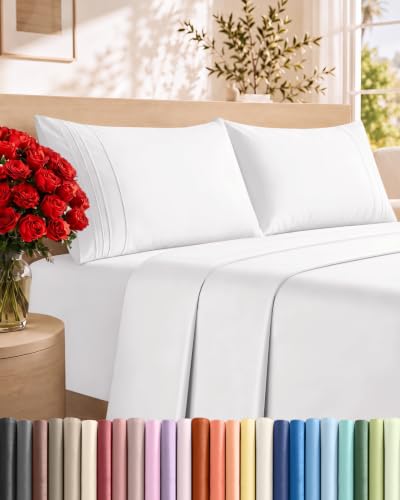
Sheets are a design element as much as a comfort choice. Neutral tones like white, ivory, and soft grey create a calm, hotel-like feel that works with any bedroom decor. Bold patterns or deep colors can anchor a statement bed. If your bedroom leans minimalist, a crisp white percale set is hard to beat; for a relaxed, layered look, linen in muted earth tones fits beautifully.
Consider the season, too. Lightweight cotton and linen for summer; flannel or brushed cotton for winter. Having two sets that suit different seasons keeps your bed comfortable year-round.
Frequently Asked Questions
What is the best sheet material for hot sleepers?
Percale cotton and linen are the most breathable options, as both allow excellent airflow and wick moisture away from the skin. Avoid tightly woven sateen or synthetic microfiber if you overheat at night.
Is a higher thread count always better?
No. Thread count is only one factor. Fabric quality, fiber length, and weave matter more. A 300-count long-staple cotton sheet can outperform a 600-count sheet made from short fibers.
How often should I replace my sheets?
With regular washing and rotation between sets, quality sheets last two to three years. Replace them when you notice thinning, pilling, or persistent stains that washing cannot remove.
What size sheets do I need for a deep mattress?
Measure your mattress height. Standard fitted sheets fit up to about 14 inches; deep-pocket sheets are designed for 15 to 18 inches or more. If you use a topper, add its height to your mattress measurement.
Ready to Upgrade Your Sleep?
Explore our curated selection of top-rated sheets and bedding essentials, chosen for comfort, durability, and value within each tier.
Browse Sheet Collections