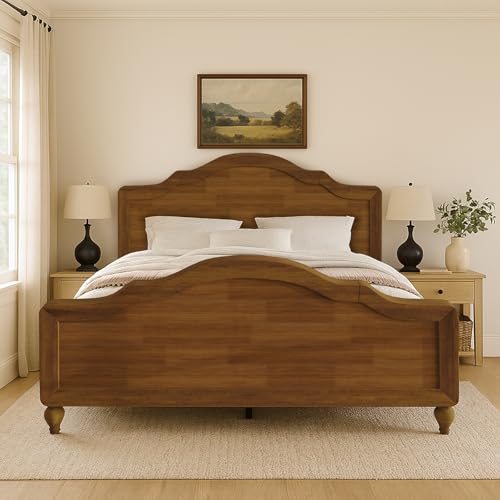
Panel Beds: The Complete Buying Guide for Style and Support
Everything you need to know before choosing a panel bed — from frame construction and panel materials to size matching and bedroom styling.
Why panel beds deserve your attention: A panel bed combines the structural honesty of a traditional bed frame with the visual polish of built-in furniture. Its flat, framed headboard and footboard create a clean architectural anchor for the bedroom, making it one of the most versatile bed styles available. This guide walks you through every decision point so you can choose with confidence.
What Exactly Is a Panel Bed?
A panel bed is a bed frame defined by its headboard and footboard, both built from flat, framed panels. Unlike sleigh beds with their curved profiles or canopy beds with vertical posts, panel beds rely on clean lines and geometric structure. The panels themselves may be solid wood, upholstered fabric, or a mix of materials framed within a border.
The result is a bed that reads as intentional furniture rather than a simple platform. Panel beds often include side rails that connect the headboard and footboard, and many designs incorporate a slat support system that eliminates the need for a box spring. If you are comparing frame styles, it helps to understand how panel beds differ from platform beds, which typically sit lower and lack a prominent footboard.
Types of Panel Beds
Panel beds are not a single product category. The term covers several distinct constructions, each suited to different bedrooms and sleepers.
1. Solid Wood Panel Beds
Solid wood panel beds use hardwood or softwood panels framed within a wooden border. They range from entry-level pine models to premium hardwood constructions with dovetail joinery. Wood panel beds suit traditional, rustic, and farmhouse interiors, and they age well when finished with a protective coating. A single bedstead in a panel style is a classic choice for guest rooms and children's bedrooms.
2. Upholstered Panel Beds
Upholstered panel beds wrap the headboard and sometimes the footboard in fabric, leather, or performance textile. These designs soften the bedroom's acoustics and add tactile warmth. Mid-range upholstered models typically use foam padding over a plywood frame, while high-end tier versions may use kiln-dried hardwood frames and high-density foam. Upholstered panels pair naturally with modern and transitional decor.
3. Panel Beds with Footboards vs. Headboard-Only
Traditional panel beds include both a headboard and a footboard. Headboard-only panel beds, sometimes called open-foot panel beds, suit smaller rooms because they reduce the visual weight at the foot of the bed. If your bedroom is compact, consider small bedroom decor strategies that keep the bed as the focal point without overwhelming the space.
4. Panel Beds with Storage
Some panel bed designs incorporate drawers beneath the frame or built-in side storage. These hybrid models are useful in rooms without a dedicated dresser. For a deeper look at storage-equipped frames, see our guide to platform beds with drawers underneath, which share similar storage principles.
Materials and Construction: What to Look For
The durability of a panel bed depends on three things: the frame material, the joinery, and the panel construction.
| Component | Entry-Level | Mid-Range | Premium / High-End Tier |
|---|---|---|---|
| Frame material | Engineered wood or softwood | Mixed hardwood and engineered wood | Kiln-dried hardwood |
| Joinery | Basic screws and brackets | Reinforced corner blocks | Mortise-and-tenon or dovetail |
| Panel construction | Thin veneer over particleboard | Solid wood panels or quality upholstery | Solid hardwood panels or performance upholstery |
| Support system | Basic slats | Reinforced slats with center rail | Closely spaced slats with center support legs |
| Finish | Basic lacquer or laminate | Multi-step paint or stain | Hand-rubbed or catalyzed finish |
When evaluating a panel bed, check the slat spacing. Closely spaced slats (around two to three inches apart) provide better mattress support and extend the life of your mattress. A center support rail with at least one center leg is important for queen and king sizes. If you plan to use an adjustable base, confirm the bed is compatible — our guide to queen bed frames for adjustable beds explains what to check.
Choosing the Right Panel Bed Size
Panel beds are available in all standard mattress sizes. The right choice depends on the room dimensions, the sleeper's needs, and whether the bed shares space with other furniture.
- Twin and full: Best for children's rooms, guest rooms, and compact apartments. A panel twin bed is a practical starting point for a growing child.
- Queen: The most popular size for couples and single adults who want room to spread out. A queen bed fits most primary bedrooms without crowding.
- King: Ideal for couples who prefer generous space or who co-sleep with children. Solid wood king-size beds in a panel style make a strong visual statement.
- California king: Suited to taller sleepers and longer rooms.
Measure the room's walkways before committing. A panel bed with a tall footboard effectively extends the bed's footprint, so leave at least 24 inches of clearance at the foot for comfortable movement.
Matching Panel Beds to Your Bedroom Style
Panel beds adapt to nearly any interior style because their defining feature is a clean rectangular form. Here is how to match the frame to your room's aesthetic:
- Modern and minimalist: Choose a low-profile panel bed with a solid, unadorned headboard and a neutral finish. Pair it with crisp bedding such as modern bedding for platform-style beds, which shares the same clean visual language.
- Traditional and transitional: Look for panel beds with framed molding, a gently arched headboard, or a footboard with subtle detailing. A super king bedstead in a panel design anchors a formal primary bedroom.
- Rustic and farmhouse: Solid wood panel beds with visible grain, distressed finishes, or plank-style panels suit rustic interiors. Pair with textured throws and natural materials.
- Upholstered elegance: A fabric or leather panel bed adds softness to modern rooms. Choose performance fabrics if the bed will see daily use.
For more styling inspiration, explore our bedroom decor section, which covers lighting, rugs, and accent furniture that complement panel beds.
Panel Beds vs. Other Bed Frame Styles
Understanding how panel beds compare to alternative frames helps you make a confident decision:
| Frame Style | Visual Profile | Best For | Considerations |
|---|---|---|---|
| Panel bed | Flat framed headboard and footboard | Structured, furniture-like bedroom anchor | Footboard may reduce clearance in small rooms |
| Platform bed | Low, minimalist, no footboard | Modern and small bedrooms | Less visual height; may lack headboard |
| Sleigh bed | Curved headboard and footboard | Traditional and romantic interiors | Curves require more floor space |
| Canopy bed | Tall posts with overhead frame | Statement bedrooms with high ceilings | Visually dominant; not ideal for low ceilings |
Mattress Compatibility and Support
Panel beds typically use a slat support system, which works well with most mattress types, including foam, hybrid, and latex. If you prefer memory foam, our guide to memory foam mattresses explains how slat spacing affects mattress performance. Innerspring and hybrid mattresses also perform well on closely spaced slats.
If your panel bed has a solid platform rather than slats, ensure the surface has ventilation holes to prevent moisture buildup beneath the mattress. A mattress encasement adds a layer of protection against spills and allergens, which is especially useful in households with children or pets.
Assembly, Care, and Long-Term Maintenance
Most panel beds ship flat-packed and require assembly. Mid-range and high-end tier models often include clearly labeled hardware and pre-drilled holes. Follow these practices to keep your panel bed in good condition:
- Tighten all bolts and screws after the first month of use, then check them every six months.
- Dust wooden panels with a soft cloth; avoid abrasive cleaners that dull the finish.
- Vacuum upholstered panels monthly and spot-clean spills promptly with a fabric-appropriate cleaner.
- Rotate the mattress every three to six months to promote even wear.
- Place felt pads under the legs if the bed sits on hardwood floors.
If you are moving the bed, disassemble it rather than dragging it, which can weaken the joinery. Our guide to moving a bed covers safe disassembly and transport.
Who Should Choose a Panel Bed?
A panel bed is a strong choice for:
- Sleepers who want a bed that looks like intentional furniture rather than a minimal platform.
- Primary bedrooms that need a visual anchor and a sense of structure.
- Traditional, transitional, and modern interiors alike, since panel beds span all three styles.
- Couples who want a sturdy frame with center support for a queen or king mattress.
If your room is very compact or you prefer a low-profile look, a platform bed or a headboard-only panel design may be a better fit. For children's rooms, consider kids beds designed with safety rails and lower heights.
Panel Bed Buying Checklist
- Measure the room and confirm clearance at the foot and sides of the bed.
- Decide between a full panel bed (with footboard) and a headboard-only design.
- Choose a material: solid wood, upholstered, or mixed.
- Verify slat spacing and center support for your mattress size.
- Confirm compatibility with your mattress type and any adjustable base.
- Check the assembly requirements and available tools.
- Review the finish and upholstery care instructions before purchase.
- Plan bedding and decor that complement the frame's style.
Final Thoughts
A panel bed is one of the most versatile bed frames you can buy. Its structured silhouette works across design styles, and its framed panels give the bedroom a finished, furniture-like quality. By focusing on frame construction, slat support, size fit, and material quality — rather than surface trends — you can choose a panel bed that serves your sleep and your space for years. Use the checklist above, explore the linked guides for deeper dives, and browse the recommended panel bed options below to find the right match for your bedroom.