The Complete Dresser Buying Guide
Master bedroom organization with the right dresser. Learn about sizes, materials, drawer configurations, and style considerations to find storage that fits your space and life.
Why a Dresser Matters: A well-chosen dresser is more than furniture — it is the backbone of a clutter-free bedroom. The right unit keeps clothing organized, reduces morning stress, and anchors your room's design. This guide walks you through every decision point so you can choose with confidence.
Understanding Dresser Types and Configurations
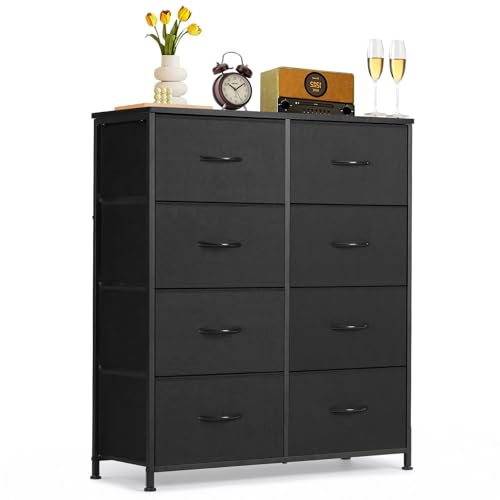
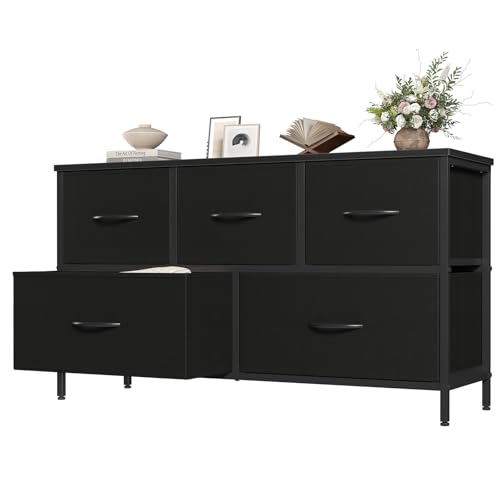
Dressers come in several broad configurations, each suited to different room layouts and storage needs. A standard dresser (also called a chest of drawers) is taller than it is wide, making it ideal for narrow spaces where floor area is limited. A wide dresser or double dresser spans a broader footprint and works well beneath windows or as a focal point on a large wall. Tall chests maximize vertical storage, while combo units pair drawers with a mirror or changing top for added function.
When planning your bedroom layout, consider how the dresser will relate to your bed and other pieces. Our guide to dresser and bedside table sets explains how coordinated storage creates visual harmony. If you prefer a unified look, a matched dresser and bedside table set can simplify shopping and ensure consistent finishes.
Sizing Your Dresser for the Room
Measure first, buy second. A dresser that overwhelms a small room or looks lost in a large one will never feel right. As a rule of thumb, leave at least 30 inches of clearance in front of drawers so they can open fully without blocking walkways. In compact bedrooms, a taller, narrower dresser preserves floor space while still offering generous storage volume. For rooms where every inch counts, explore storage-savvy solutions like daybeds with storage drawers or daybeds with built-in storage that complement a dresser's role.
Width matters too: a dresser should not exceed the width of the wall it occupies by more than a comfortable margin. Balance it with adjacent pieces — a cute bedside table or a distressed white bedside table can echo the dresser's style while keeping the room cohesive.
Materials and Build Quality
The material of a dresser affects its durability, weight, and visual warmth. Solid wood (oak, maple, pine) offers the most robust construction and can be refinished over time. Engineered wood with veneers provides a more accessible entry point while maintaining a clean appearance. Metal dressers suit modern and industrial aesthetics and resist warping in humid climates.
Pay attention to drawer glides: ball-bearing slides offer smooth, quiet operation and better load capacity than basic roller slides. Dovetail joints signal careful craftsmanship and long-term durability. For a cohesive bedroom look, consider how the dresser finish pairs with your bed frame — a dark wood bedstead pairs naturally with a matching dark-finish dresser, while lighter woods open up smaller rooms.
Entry-Level Tier
Engineered wood construction with basic roller glides. A practical starting point for guest rooms, dorms, or first apartments where the dresser serves a straightforward storage role.
Mid-Range Tier
Solid wood frames with veneered panels and ball-bearing glides. A balanced choice for primary bedrooms, offering dependable durability and a wider range of finishes.
Premium Tier
Solid hardwood construction with dovetail joinery, soft-close mechanisms, and hand-finished details. Built for long-term daily use and designed to age gracefully.
Luxury Tier
Heirloom-grade materials, custom hardware, and meticulous craftsmanship. These pieces function as statement furniture and are intended to be passed down.
Drawer Layout and Internal Organization
Not all dressers are created equal inside. A mix of shallow and deep drawers handles both folded shirts and bulky sweaters efficiently. Deep bottom drawers are ideal for bedding and seasonal items, while shallow top drawers suit accessories and delicates. Some units include felt-lined top drawers for jewelry or watches.
Consider your folding habits: if you prefer Marie Kondo-style vertical folding, shallower drawers with a wide surface area work best. If you store bulky items, prioritize at least one deep drawer. For rooms that serve dual purposes, a dresser with a changing top or a coordinated set can streamline nursery or guest room setups.
Style Considerations: Matching Your Bedroom Aesthetic
Your dresser should feel like it belongs in the room, not like an afterthought. In modern bedrooms, clean lines and minimal hardware keep the look streamlined. Scandinavian-inspired rooms benefit from light woods and tapered legs. Traditional spaces welcome ornate details and richer finishes. A Danish modern bedside table can hint at the direction for a cohesive mid-century feel.
Finish coordination is key: pair warm wood tones with a dark brown wood bedside table for a grounded, earthy palette, or keep things airy with distressed finishes. If your bed is the visual anchor — for example, a dark wood bedstead — let the dresser support rather than compete. And if you are exploring broader bedroom themes, our overview of different types of beds can help you see how storage pieces fit into the overall picture.
Comparing Tiers at a Glance
| Tier | Best For | Typical Construction |
|---|---|---|
| Entry-Level | Guest rooms, dorms, starter apartments | Engineered wood, roller glides |
| Mid-Range | Primary bedrooms, family homes | Solid wood frame, veneer panels, ball-bearing glides |
| Premium | Long-term daily use, design-focused rooms | Solid hardwood, dovetail joints, soft-close hardware |
| Luxury | Heirloom-quality statement pieces | Custom hardwood, hand-finished details, premium hardware |
Placement Tips for a Balanced Bedroom
Where you place the dresser shapes how the room feels. Opposite the bed is the most common position — it creates a balanced visual weight and provides a natural focal wall. In smaller rooms, tuck the dresser into an alcove or beside the closet to keep the center open. Make sure there is enough clearance for drawers to extend fully, and avoid blocking heating vents or natural light sources.
If your room doubles as a workspace or lounge, consider how storage pieces interact with multi-functional furniture. For example, day beds for office setups often pair well with a slim dresser that doubles as a printer stand or supply cabinet. Similarly, day beds with storage can reduce the need for a large dresser by absorbing some of the storage load.
Care and Maintenance
Keep your dresser looking its best with simple habits. Dust weekly with a soft cloth, avoid harsh chemical cleaners on wood finishes, and use felt pads under decorative items to prevent scratches. Tighten hardware periodically and lubricate metal glides if drawers begin to stick. In humid climates, a dehumidifier or silica packs in drawers help prevent warping and musty odors.
Frequently Asked Questions
How tall should a dresser be?
Most dressers stand between 30 and 40 inches tall, which places the top surface at a comfortable height for everyday use. Tall chests can reach 50 inches or more and suit narrow spaces. Choose a height that lets you reach the top drawer without stretching and still see over the unit if it sits beneath a window.
What is the difference between a dresser and a chest of drawers?
The terms are often used interchangeably, but traditionally a chest of drawers is taller than it is wide, while a dresser is wider than it is tall. Both serve the same storage purpose; the distinction is mainly about proportion and how the piece fits your wall space.
Should I choose a dresser with soft-close drawers?
Soft-close drawers are a worthwhile upgrade in primary bedrooms and shared spaces. They reduce noise, prevent slamming, and protect the drawer fronts from wear over time. Entry-level units typically use standard glides, while mid-range and premium tiers increasingly include soft-close mechanisms.
How many drawers do I need?
For a single adult, a six-drawer dresser usually covers everyday clothing storage. Couples often benefit from eight or more drawers, or two separate dressers. Consider what you store: bulky sweaters need depth, while accessories need shallow, divided drawers. Match the drawer count and configuration to your actual wardrobe rather than a generic rule.
Can a dresser work in a small bedroom?
Absolutely. A tall, narrow chest preserves floor space while providing generous vertical storage. Pair it with space-saving sleep solutions like custom made beds for small rooms or daybeds with drawers underneath to keep the room functional and uncluttered.
Making Your Final Decision
A dresser is a long-term purchase that touches your daily routine. Start with measurements, define your storage needs, then narrow the field by material and tier. The right piece will feel like it was always meant to be there — quietly doing its job while elevating the room around it. When you are ready to explore coordinated bedroom furniture, our collection of dressers and related storage pieces can help you complete the look.
Ready to Organize Your Bedroom?
Browse our curated selection of dressers below and find the storage solution that fits your space, style, and daily life. Each recommendation is chosen with long-term quality and practical function in mind.