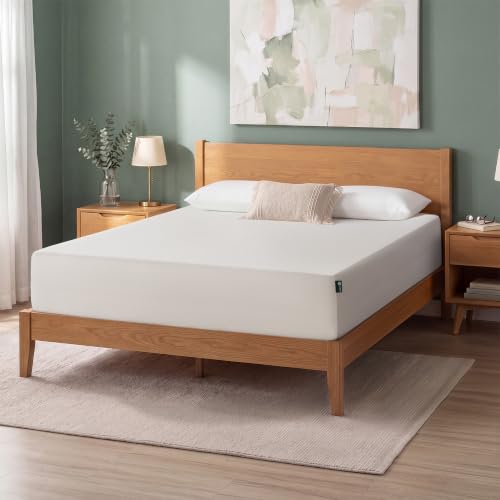
Memory Foam Mattresses: The Complete Guide
From pressure relief to cooling technology — discover everything you need to know before buying the perfect memory foam mattress for your sleep style.
Memory foam mattresses have revolutionized the way we sleep. Originally developed by NASA for aircraft cushioning, this viscoelastic material adapts to your body shape, providing exceptional pressure relief and support. Today, memory foam is one of the most popular mattress types worldwide — and for good reason. Whether you're a side sleeper, back sleeper, or someone who suffers from joint pain, a quality memory foam bed could be the key to waking up refreshed.
This guide covers everything: how memory foam works, types of foam, cooling innovations, firmness options, and how to choose the best mattress for your needs. By the end, you'll be ready to make a confident purchase.
What Is Memory Foam? How Does It Work?
Memory foam is a polyurethane-based material with added chemicals that increase its viscosity and density. This gives it two key properties:
- Viscoelasticity: The foam slowly conforms to pressure and returns to its original shape when pressure is removed.
- Heat sensitivity: The foam softens with body heat, allowing it to mold perfectly around your contours.
The result? A mattress that distributes body weight evenly, reduces pressure points, and minimizes motion transfer — making it an excellent choice for couples and light sleepers. For a deeper dive into other mattress types, explore our comprehensive guides.
Key Benefits of Memory Foam Mattresses
Pressure Relief
Memory foam contours to your body, relieving pressure on hips, shoulders, and lower back. Ideal for side sleepers and those with arthritis.
Motion Isolation
Minimal motion transfer means you won't be disturbed by a partner's movements. Great for couples and light sleepers.
Support & Alignment
By conforming to your natural curves, memory foam promotes proper spinal alignment, reducing back pain over time.
Durability
High-density memory foam mattresses last 7–10 years with proper care, outperforming many innerspring options.
Types of Memory Foam: Which One Is Right for You?
Not all memory foam is created equal. Here are the most common types you'll encounter:
- Traditional Memory Foam: Classic viscoelastic foam. Excellent pressure relief but may retain heat.
- Gel-Infused Memory Foam: Contains gel beads or layers that draw heat away from the body. Great for cooling mattresses.
- Plant-Based Memory Foam: Made with natural plant oils (e.g., soybean) to reduce petroleum content and improve breathability.
- Open-Cell Memory Foam: Designed with larger cells to increase airflow, reducing heat retention.
- Copper- or Graphite-Infused Memory Foam: Enhanced with minerals that help dissipate heat and provide antimicrobial properties.
If you sleep hot, consider gel-infused or open-cell options. For eco-conscious buyers, plant-based or organic-certified foams are worth exploring.
Memory Foam Firmness: Which Level Is Best for You?
Firmness is subjective, but here's a general guide based on sleep position:
- Soft (Plush): Best for side sleepers who need extra cushioning for hips and shoulders.
- Medium: Ideal for combination sleepers who change positions throughout the night.
- Medium-Firm: Excellent for back sleepers who need support without sacrificing comfort.
- Firm: Suitable for stomach sleepers who require a flat, supportive surface to prevent spinal arching.
Many memory foam mattresses come in medium-firm — the most popular and versatile option. If you're unsure, a medium-firm is a safe starting point.
Cooling Memory Foam: Does It Really Work?
Heat retention is the most common complaint about traditional memory foam. However, modern cooling technologies have largely solved this issue. Look for these features:
- Gel Infusion: Absorbs and dissipates body heat.
- Copper or Graphite: Conductive materials that draw heat away.
- Breathable Covers: High-quality covers with moisture-wicking properties.
- Open-Cell Structure: Allows better airflow.
If you tend to sleep warm, prioritize a mattress with active cooling technology. Many premium memory foam beds now feature phase-change materials (PCM) that adjust to your body temperature.
Memory Foam vs. Other Mattress Types
| Feature | Memory Foam | Innerspring | Hybrid | Latex |
|---|---|---|---|---|
| Pressure Relief | ★★★★★ | ★★★ | ★★★★ | ★★★★ |
| Motion Isolation | ★★★★★ | ★★ | ★★★★ | ★★★ |
| Cooling | ★★★ (with tech) | ★★★★ | ★★★★ | ★★★★ |
| Durability | ★★★★ | ★★★ | ★★★★ | ★★★★★ |
| Price Range | $500–$2,500+ | $400–$1,800 | $800–$3,000+ | $1,000–$3,000+ |
* Prices are approximate and vary by brand, size, and features.
How to Choose the Best Memory Foam Mattress
When shopping for a memory foam mattress, consider these factors:
- Density: Higher density = more support and durability. Look for at least 4 lb/ft³ for long-lasting quality.
- Layer Construction: A supportive base layer with a comfort layer on top is ideal. Some mattresses have multiple foam layers for zoned support.
- Certifications: Look for organic mattresses with CertiPUR-US, OEKO-TEX, or GOLS certifications to ensure safe materials.
- Trial Period & Warranty: Always choose a mattress with a sleep trial (at least 100 nights) and a solid warranty (10+ years).
- Size: Choose the right size for your needs. Check our mattress size chart for guidance.
Caring for Your Memory Foam Mattress
To extend the life of your memory foam mattress:
- Use a mattress protector to guard against spills and allergens.
- Rotate the mattress every 3–6 months (if it's not a one-sided model).
- Air out the mattress regularly to reduce moisture and odor.
- Avoid jumping or placing heavy weight on one spot.
- Follow the manufacturer's cleaning instructions — typically spot cleaning with mild soap.
With proper care, a high-quality memory foam mattress can serve you well for a decade or more.
For more in-depth advice, visit our complete mattress buying guide and mattress care tips.
Frequently Asked Questions
Are memory foam mattresses good for back pain?
Yes. Memory foam's contouring properties can relieve pressure points and promote spinal alignment, which often reduces back pain — especially for side and back sleepers.
Do memory foam mattresses sleep hot?
Traditional memory foam can retain heat, but modern cooling technologies (gel, copper, open-cell) have minimized this issue. Choose a cooling-infused model if you're a hot sleeper.
How long does a memory foam mattress last?
A high-density memory foam mattress can last 7–10 years. Lower-density foams may wear out sooner. See our guide on when to replace your mattress.
Can you use a memory foam mattress on an adjustable bed frame?
Yes! Most memory foam mattresses are compatible with adjustable bed frames, as long as they are flexible and designed for that purpose.
Ready to Find Your Perfect Memory Foam Mattress?
We've curated the best memory foam mattresses from top brands. Browse our recommended products below and enjoy better sleep starting tonight.