
Blackout Curtains Buying Guide: Block Light & Sleep Better
Everything you need to know before choosing light-blocking curtains — from fabric types and light-block ratings to sizing, thermal benefits, and installation tips for a darker, quieter, and more restful bedroom.
What Are Blackout Curtains?
Blackout curtains are heavy-duty window treatments engineered to stop the majority of light from entering a room. Unlike standard decorative drapes, they are constructed with tightly woven fabrics, multi-layer linings, or a specialized foam or acrylic backing that blocks light transmission. Many models block between 85 and 99 percent of incoming light, making them a practical upgrade for anyone who struggles with early sunrise, streetlamps, or bright neighborhood lighting.
These curtains are more than a style choice. They are a functional sleep tool. A darker bedroom signals the brain to produce melatonin, the hormone that regulates the sleep-wake cycle. For shift workers, parents of young children, and light-sensitive sleepers, blackout curtains are often the simplest and most effective way to protect sleep quality at home.
Why Blackout Curtains Matter for Sleep and Comfort
Light exposure at night and early morning can disrupt circadian rhythms. Even small amounts of light — from a digital clock or a streetlamp through thin fabric — can interfere with deep sleep. Blackout curtains address this at the source by turning the bedroom into a controlled lighting environment.
Deeper, Longer Sleep
A dark room supports melatonin production and helps you fall asleep faster and stay asleep longer, especially during summer months when daylight extends into evening hours.
Better Naps and Shift Work
If you sleep during the day, blackout curtains are essential. They simulate nighttime conditions so your body can rest even when the sun is up.
Privacy and Quiet
The heavy fabric also muffles outside noise and blocks visual sightlines, adding both acoustic comfort and privacy to bedrooms and living spaces.
Temperature Control
Thermal blackout curtains reduce heat transfer through windows, keeping rooms cooler in summer and warmer in winter while easing strain on heating and cooling systems.
For a broader look at bedroom setup, see our guide on creating a complete sleep-friendly bedroom. If you are also choosing a bed, our mattress buying guide is a useful companion read.
How Blackout Curtains Work
The light-blocking ability of a curtain comes from three factors working together: fabric density, construction method, and installation quality.
1. Fabric Density and Weave
Tightly woven fabrics with high thread counts or heavy yarns naturally let less light through. Triple-weave constructions — where three layers of fabric are woven together — are among the most effective at stopping light without a separate lining.
2. Linings and Backings
Many blackout curtains use a bonded lining, foam backing, or acrylic coating on the back side. This layer is what gives the curtain its opacity. Some premium models use a separate detachable liner, which can be removed for easier cleaning.
3. Installation Gaps
Even the best fabric fails if light leaks around the edges. Gaps at the top, sides, and center of the curtains are the most common reason a room is not truly dark. Wrap-around rods, ceiling-mounted tracks, and overlapping panels solve this problem. We cover the details in the installation section.
Types of Blackout Curtains
There are several styles to choose from, each suited to different rooms and mounting setups.
| Type | Best For | Key Feature |
|---|---|---|
| Rod Pocket Blackout Curtains | Standard windows | Fabric slides over the rod; simple and classic look |
| Grommet Blackout Curtains | Modern bedrooms | Metal rings create even folds and easy sliding |
| Pinch Pleat Blackout Curtains | Formal or hotel-style rooms | Tailored pleats with a structured, upscale appearance |
| Back Tab Blackout Curtains | Clean, minimal interiors | Hidden tabs create a neat, gathered top |
| Ceiling-Mounted Track Blackout Curtains | Maximum darkness | Curtains overlap walls and floor to eliminate light gaps |
| Double-Layer Blackout Curtains | Bedrooms and nurseries | Sheer front plus blackout back for layered style |
Fabric and Material Options
The fabric you choose affects light blocking, durability, insulation, and maintenance. Here are the most common options:
- Polyester: The most common blackout fabric. It is durable, wrinkle-resistant, and holds a foam or acrylic backing well. Polyester blends are also easy to clean.
- Cotton and Cotton Blends: Breathable and natural-looking, but usually require a separate blackout lining to achieve full light blocking.
- Linen and Linen Blends: Offer a textured, relaxed look. Pure linen rarely blocks light on its own, so look for linen-blend curtains with a bonded blackout liner.
- Velvet: Naturally thick and heavy, velvet provides excellent light blocking and sound absorption without needing a synthetic backing.
- Triple-Weave Fabric: A modern construction where three layers are woven into a single piece. These are often described as room-darkening and are popular for their soft drape and durability.
Quality Tiers Explained
Blackout curtains vary widely in construction quality. To help compare options without focusing on price, we use universal tier descriptors that describe where a product sits in the market.
Entry-Level Tier
Basic polyester panels with a simple acrylic backing. They block a good amount of light and work well in guest rooms or rental spaces where full darkness is not critical. Expect simpler stitching and standard rod pocket headers.
Mid-Range Tier
Triple-weave or lined curtains with reinforced stitching, better drape, and more consistent light blocking. These are a solid choice for most bedrooms and often include grommet or back-tab headers for easier installation.
Premium Tier
Heavier fabrics, detachable liners, and tighter manufacturing tolerances. Premium curtains tend to block more light, insulate better, and hold their shape after repeated washing. They often feature tailored pleats or weighted hems.
Luxury / Professional-Grade Tier
Hotel-quality and theater-grade curtains with multi-layer construction, custom sizing, and commercial-grade hardware compatibility. These are designed for maximum darkness, durability, and acoustic performance in high-use spaces.
As a general rule, mid-range and premium tiers offer the best balance of light blocking and long-term durability for a primary bedroom. Entry-level tiers are practical for secondary rooms, while luxury tiers make sense when darkness and finish are top priorities.
How to Size and Measure Blackout Curtains
Correct sizing is the difference between curtains that merely look good and curtains that actually darken the room. Follow these steps:
Measuring Width
- Measure the full width of your window, including the frame.
- Add 4 to 8 inches on each side so the curtains extend past the window edges and reduce side light leaks.
- Multiply the total width by 1.5 to 2 for fullness. Two panels that together equal 1.5 to 2 times the rod width create proper folds and overlap.
Measuring Length
- Decide where the rod will sit. Mounting it 4 to 6 inches above the window frame blocks more light and makes the ceiling appear higher.
- Measure from the rod to the floor, windowsill, or just below the sill, depending on your preferred look.
- Add 2 to 4 inches for a slight break at the floor, or more for a puddled look. For maximum darkness, have the curtains touch the floor or extend slightly past it.
If you are furnishing a smaller bedroom, pair your curtains with space-saving furniture ideas from our platform beds with storage and modern bedside table guides to keep the room uncluttered and restful.
Installation for Maximum Darkness
The way you hang blackout curtains matters as much as the fabric itself. Light finds every gap, so the goal is to seal the edges as much as possible.
- Use a wrap-around rod: A curved return rod allows the curtain to wrap around the ends, eliminating the side light gap that flat rods leave behind.
- Mount above the window: Installing the rod 4 to 6 inches above the frame and extending it 4 to 8 inches on each side blocks light from the top and sides.
- Add a pelmet or valance: A fabric-covered board or valance across the top hides the rod and blocks light that leaks through the curtain header.
- Consider a ceiling track: For nurseries, media rooms, and shift-worker bedrooms, a ceiling-mounted track that runs wall to wall creates a near-total blackout environment.
- Overlap the panels: Make sure the two panels meet with a small overlap in the middle. Magnetic curtain ties or clips can keep the center closed.
For heavy curtains, use reinforced brackets and wall anchors. A sagging rod creates gaps and shortens the life of the hardware.
Thermal and Energy Benefits
Many blackout curtains double as thermal curtains. The same dense construction that stops light also slows heat transfer. In hot climates, closed blackout curtains reduce solar heat gain during the day. In cold climates, they add an insulating layer that keeps warm air inside the room.
To get the most thermal benefit, hang curtains close to the window and let them reach the floor or windowsill. The smaller the air gap between the curtain and the glass, the better the insulation. Pairing thermal curtains with a well-chosen bed setup — for example, a king-size bedspread for winter warmth — helps you manage bedroom comfort across seasons without relying solely on heating or cooling systems.
Cleaning and Care
Blackout curtains last longer with proper maintenance. Always check the care label first, but these general guidelines apply to most models:
- Vacuum regularly: Use a brush attachment on low suction to remove dust and keep the fabric fresh between deep cleans.
- Machine wash with care: Many polyester blackout curtains are machine washable on a gentle cycle with cold water. Avoid hot water, which can damage the backing.
- Skip the dryer: High heat can crack or peel the blackout coating. Hang curtains to dry or use a low-heat air fluff setting if the label allows.
- Steam instead of iron: A handheld steamer removes wrinkles without direct heat that could damage the lining.
- Wash detachable liners separately: If your curtains have a removable blackout liner, clean it according to its own care instructions.
Frequently Asked Questions
What are blackout curtains?
Blackout curtains are heavy window treatments built with dense fabrics or special backings that block most incoming light. They are commonly used in bedrooms, nurseries, and media rooms to create a dark, restful environment.
Do blackout curtains really block all light?
Most block between 85 and 99 percent of light. Complete darkness usually requires proper mounting, such as a wrap-around rod or ceiling track, plus overlapping panels and a pelmet to cover the top edge.
Are blackout curtains good for summer and winter?
Yes. Thermal blackout curtains reduce heat gain in summer and add insulation in winter, helping keep the bedroom comfortable year-round and easing the load on heating and cooling systems.
How do I choose the right size?
Measure the window width and add 4 to 8 inches on each side, then multiply by 1.5 to 2 for fullness. For length, mount the rod 4 to 6 inches above the frame and measure to the floor or sill, adding a few inches for a slight break.
Can blackout curtains help with noise?
Heavy blackout fabrics can reduce some outside noise, especially when paired with a tight installation. They are not a replacement for acoustic panels, but they do contribute to a quieter bedroom.
Are blackout curtains safe for nurseries?
Yes, when installed securely. Use cordless options or keep cords out of reach, and make sure the rod and brackets are firmly anchored. Blackout curtains are a popular choice for helping babies nap during daylight hours.
Final Thoughts
Blackout curtains are one of the highest-impact upgrades you can make for sleep quality, privacy, and year-round comfort. Focus on three decisions: the level of darkness you need, the fabric and tier that match your room, and an installation method that seals the edges. Get those right, and your bedroom becomes a true sleep sanctuary — darker, quieter, and easier to keep at a comfortable temperature.
If you are building out the rest of your bedroom, explore our related guides on body pillows for side sleepers and day beds for multi-purpose guest rooms. For a complete sleep health routine, see our sleep hygiene guide.
Recommended Blackout Curtains
⚠️ AFFILIATE DISCLOSURE: This website contains affiliate links. As an Amazon Associate, we earn from qualifying purchases. If you make a purchase through these links, we may receive a small commission at no additional cost to you. Read our full affiliate policy.

MIULEE Blackout Curtains for Bedroom 2 Panels 40 x 84 Inch Long Black | Thermal Insulated, Halloween Living Room Darkening Grommet Drapes, Noise Reducing, Light Blocking Window Treatments
Check price on Amazon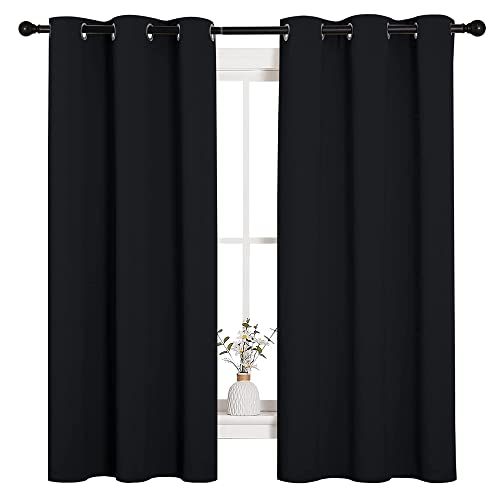
NICETOWN Black Blackout Curtains for Bedroom 42" wide x 63" Long 2 Panels | Solid Grommet Thermal Insulated Drapes, Noise Reducing, Light Blocking, Room Darkening Decor for Kitchen Window Treatments
Check price on Amazon
MIULEE Blackout Curtains for Bedroom 2 Panels 40 x 63 Inch Long Black | Thermal Insulated, Halloween Living Room Darkening Grommet Drapes, Noise Reducing, Light Blocking Window Treatments
Check price on Amazon
Joydeco Blackout Curtains for Bedroom 84 Inch - Black Out Curtains with Grommets Thermal Insulated Room Darkening Light Blocking, Noise Reducing & Wrinkle-Free Drapes for Living Room Windows, 2 Panels
Check price on Amazon
Guken 100% Blackout Linen Curtains 84 Inch Long for Bedroom 2 Panels Cream | Ivory Natural Beige,7 ft, Back Tab, Thermal Insulated Room Darkening, Black Out Window Drapes for Living Room, W52xL84
Check price on Amazon
NICETOWN Black out Curtain Blinds for Bedroom 2 Panels 42" Wide by 63" Long | Rod Pocket Thermal Insulated shades, Noise Reducing, Light Blocking, Room Darkening Decor for Kitchen Window Treatments
Check price on Amazon
Navy Blue and Greyish White Blackout Curtains for Living Room 84 Inch Long | Estelar Textiler Ombre Room Darkening Bedroom Curtains, Light Blocking,Thermal Insulated Grommet Window Drapes,52x84,2 Panels
Check price on Amazon