Complete Duvet Guide: Find Your Perfect Match
From fill types and tog ratings to sizes and care — everything you need to choose the perfect duvet for deep, comfortable sleep.
START YOUR GUIDEWhy Your Duvet Matters: Your duvet is the centerpiece of your bed. The right one regulates temperature, supports your sleep position, and wraps you in comfort. SleepWisePicks breaks down everything you need to know to make the best choice.
What Is a Duvet?
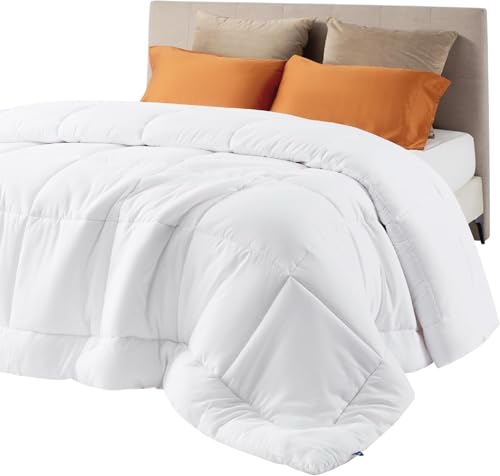
A duvet is a type of bedding that consists of a soft flat bag filled with down, feathers, wool, or synthetic fibers. It is typically used without a top sheet and is designed to be placed inside a removable duvet cover. Unlike a comforter, which is often quilted and used with a bedspread, a duvet is fluffier and provides superior insulation and breathability.
The word "duvet" comes from the French word for "down" — the soft feathers from ducks or geese. Today, duvets come in a wide range of fills and warmth levels, making them one of the most versatile and popular bedding options worldwide.
Key Features of a Quality Duvet
🛏️ Fill Type
Natural down, feather, wool, or synthetic. Each offers different warmth, weight, and breathability. Your choice affects comfort and allergies.
🌡️ Tog Rating
Measures warmth: 1–4.5 (summer), 7–10.5 (spring/autumn), 12–15 (winter). Choose based on your climate and whether you sleep hot or cold.
🧵 Shell & Stitching
Premium duvets use cotton or silk shells with baffle-box stitching to keep fill evenly distributed. This prevents cold spots and clumping.
📏 Size Options
Available in Twin, Full, Queen, King, and Super King. Size affects both comfort and how well it fits your bed frame.
🧼 Care & Maintenance
Machine-washable duvets are easier to maintain. Look for hypoallergenic and dust-mite resistant options if you have allergies.
♻️ Sustainability
Eco-friendly duvets use responsibly sourced down, recycled materials, or organic cotton shells. Great for conscious shoppers.
Understanding Duvet Fill Types
The fill is the most important factor in a duvet's performance. Here's a breakdown of the most common types:
🦆 Down Duvets
Made from the soft under-feathers of ducks or geese. Down duvets are lightweight, incredibly warm, and highly breathable. They regulate temperature well and are perfect for cold sleepers. Higher fill power (600–900) means better insulation and fluffiness. However, they can be expensive and may trigger allergies in sensitive individuals.
🪶 Feather Duvets
Made from larger feathers (often duck or goose). Feather duvets are heavier and more affordable than down. They provide good warmth but may feel less fluffy and can have quills that poke through the shell. Often blended with down for a balance of weight and comfort.
🧵 Synthetic Duvets
Made from polyester or other man-made fibers. They are hypoallergenic, budget-friendly, and machine-washable. Modern synthetic fills mimic the feel of down and offer good warmth. Ideal for allergy sufferers and those looking for easy-care options.
🐑 Wool Duvets
Natural wool duvets are excellent at temperature regulation. Wool absorbs moisture and releases it, keeping you warm in winter and cool in summer. They are also naturally hypoallergenic and dust-mite resistant. A great eco-friendly choice for year-round comfort.
🌾 Silk Duvets
Luxurious and lightweight, silk duvets are naturally hypoallergenic and breathable. They are temperature-regulating and feel smooth against the skin. Silk duvets are ideal for hot sleepers and those with sensitive skin. They are also one of the most durable options.
Duvet Tog Rating: Which Warmth Level Do You Need?
Tog is the standard measure of thermal insulation for duvets. The higher the tog, the warmer the duvet. Here's a quick guide to help you choose:
| Tog Rating | Season | Best For | Room Temperature |
|---|---|---|---|
| 1 – 4.5 Tog | Summer | Hot sleepers, warm climates | 70°F+ (21°C+) |
| 7 – 10.5 Tog | Spring / Autumn | Most people, versatile | 60–68°F (16–20°C) |
| 12 – 15 Tog | Winter | Cold sleepers, drafty rooms | Below 60°F (below 16°C) |
| All-Season (2-in-1) | Year-Round | Adaptable, includes 4.5 + 9 tog | Variable |
💡 Pro Tip: If you share a bed with a partner who sleeps at a different temperature, consider an all-season duvet set or a dual-tog duvet with different warmth levels on each side.
Duvet Size Guide
Choosing the right duvet size ensures proper coverage and a neat look. Your duvet should be larger than your mattress to allow for tucking and movement.
Twin
66" x 86" (168 x 218 cm)
Fits: Twin / Twin XL beds
Full
76" x 86" (193 x 218 cm)
Fits: Full / Double beds
Queen
88" x 88" (224 x 224 cm)
Fits: Queen beds
King
102" x 86" (259 x 218 cm)
Fits: King / California King
Note: Always check your mattress size before purchasing. Some brands offer oversized duvets for extra drape.
How to Choose the Perfect Duvet
Follow these steps to find the duvet that matches your sleep needs:
Consider Your Sleep Temperature
If you sleep hot, choose a summer duvet (4.5 tog) or a breathable natural fill like wool or silk. If you sleep cold, a 13.5 tog down or synthetic duvet is ideal. For year-round versatility, an all-season duvet is the best investment.
Check for Allergies
If you have allergies, choose hypoallergenic synthetic duvets, wool, or silk. These materials resist dust mites and are less likely to trigger reactions. Look for a duvet with a cotton shell and tightly woven fabric for added protection.
Match Your Bed Size
Your duvet should be at least 2–4 inches wider and longer than your mattress to allow for full coverage. If you share the bed, consider a King duvet for extra space and comfort.
Set a Budget
Duvets range from $50 for basic synthetics to $500+ for premium down or silk. Determine your budget and prioritize the features most important to you — breathability, weight, or ease of care.
Duvet vs Comforter: What's the Difference?
Key Differences
- Duvet: Fluffy, used with a removable cover, easy to wash, temperature-regulating
- Comforter: Quilted, used with a bedspread, harder to clean, often less breathable
- Duvet: Superior insulation, fits inside a cover for easy style changes
- Comforter: One-piece design, often decorative but less versatile
- Duvet: Great for year-round use with interchangeable covers
- Comforter: Can be heavier and less suitable for hot sleepers
For most people, a duvet offers more flexibility and comfort. Pair it with a stylish duvet cover and you can easily change the look of your bedroom decor without buying a new duvet.
How to Care for Your Duvet
Proper care extends the life of your duvet and ensures it stays fresh and hygienic.
- 🧼 Use a duvet cover to protect your duvet and wash the cover weekly.
- 🌬️ Air your duvet outdoors once a month to keep it fresh and fluffy.
- 🧴 Wash synthetics and wool duvets according to the care label — usually at 40°C on a gentle cycle.
- 🕊️ Down duvets should be dry-cleaned or professionally washed to maintain loft.
- 🏠 Store your duvet in a breathable bag, not a plastic one, to prevent mildew.
- 🔁 Rotate your duvet annually — use a lighter one in summer and a warmer one in winter.
Ready to Buy? Your Duvet Checklist
Before you click "buy," run through this quick checklist:
- ✓ Fill type that suits your comfort preference
- ✓ Correct tog rating for your climate
- ✓ Size that matches your mattress and bed frame
- ✓ Hypoallergenic if you have sensitivities
- ✓ Easy-care instructions that fit your lifestyle
- ✓ Warranty and return policy for peace of mind
✅ With these criteria in mind, you're ready to choose a duvet that will deliver years of comfortable sleep.