Bed in a Box Comparison: Which Mattress Fits Your Sleep Style?
Unbox comfort with confidence. Compare construction, firmness, support, and materials across the most popular bed-in-a-box categories to find the right match for how you sleep.
EXPLORE THE COMPARISONWhy a structured comparison matters: A bed in a box is convenient to order and deliver, but the real decision happens before checkout. Two mattresses can look identical online yet feel completely different after night three. This guide breaks down the variables that actually affect comfort — core construction, foam density, edge support, cooling, and motion isolation — so you can compare like a informed buyer instead of guessing from marketing copy.
What Is a Bed in a Box — and Is It Right for You?
A bed in a box is a mattress that has been compressed, rolled, and vacuum-sealed into a compact carton for doorstep delivery. Once unboxed, it recovers its full shape within a few hours to a few days. This format has reshaped how people shop for sleep surfaces because it removes showroom pressure and makes side-by-side comparison easier.
The category is not one product but a family of constructions. Memory foam models emphasize pressure relief and motion isolation. Hybrid models combine foam comfort layers with pocketed coil support cores for a bouncier, more breathable feel. Latex models offer responsive, resilient support with natural materials. Each construction suits a different sleeper, which is why a direct comparison is more useful than a single “best” list.
If you are still mapping out the broader category, our bed in a box comparison hub is the place to start. From there, you can narrow down by sleep position, firmness preference, and foundation compatibility.
Bed in a Box Comparison by Category
The table below compares the main bed-in-a-box categories across the factors that matter most during the research stage. Tier descriptors replace numeric pricing so the comparison stays useful over time.
| Category | Typical Tier | Core Construction | Best For | Motion Isolation | Edge Support | Cooling |
|---|---|---|---|---|---|---|
| Memory Foam | Entry-level | Polyfoam base with memory foam comfort layers | Side sleepers, couples, light sleepers | Excellent | Moderate | Moderate |
| Hybrid | Mid-range | Pocketed coils with foam or latex comfort layers | Combination sleepers, hot sleepers, heavier sleepers | Good | Strong | Strong |
| Latex | Premium | Natural or blended latex over a supportive core | Back sleepers, eco-conscious buyers, durable construction seekers | Good | Strong | Strong |
| All-Foam Hybrid | Mid-tier | Layered foams with zoned support transitions | Back-pain sufferers, multi-position sleepers | Excellent | Moderate | Moderate |
| Luxury Pillow-Top | Luxury | High-density foam or coil core with plush pillow-top | Side sleepers who want a plush surface, guest rooms | Good | Moderate | Moderate |
If you are specifically weighing traditional innerspring against compressed options, our innerspring mattress guide explains where coil systems still hold an advantage. For shoppers focused on entry points, the budget mattress overview covers essential-tier constructions worth comparing.
Construction Deep Dive: What Changes the Feel
Firmness labels are marketing shorthand. Two “medium-firm” mattresses can feel different because of how their layers are engineered. When comparing beds in a box, focus on these four construction variables.
1. Comfort Layer Thickness and Density
The top layers determine initial softness and pressure relief. A thicker memory foam comfort layer (typically 2–3 inches) creates a slower, contouring feel. Thinner layers feel more responsive. Foam density matters for durability: higher-density foams resist sagging longer, which is why mid-range and premium models often hold their shape better over years of use than entry-level foam builds.
2. Support Core Type
The support core is the engine of the mattress. All-foam cores use high-density polyurethane foam for a quiet, motion-isolating base. Hybrid cores use pocketed coils — sometimes with zoned reinforcement under the hips and shoulders — for a springier, more breathable foundation. Latex cores offer the most resilient, durable support but weigh more and feel firmer from the first night.
3. Zoned Support and Transition Layers
Zoned support uses firmer foam or coil sections under the lower back and softer sections under the shoulders. For back-pain sufferers, this can help maintain spinal alignment. Combination sleepers benefit from transition layers that prevent the “sinking through” feeling when shifting positions overnight.
4. Cooling and Breathability
Memory foam traps heat more than coil or latex constructions. Gel-infused foams, phase-change covers, and ventilated coil layers all address this. Hot sleepers should prioritize hybrid or latex models, or all-foam builds with explicit airflow channels. For a deeper look at temperature-focused construction, see our cooling mattress breakdown.
Firmness and Sleep Position: Matching the Mattress to You
The most common comparison mistake is choosing by brand instead of by sleep style. Use this framework to narrow the field before you compare specific models.
- Side sleepers: Look for a soft-to-medium feel with a thick comfort layer that cushions the hips and shoulders. Memory foam and luxury pillow-top constructions usually win here.
- Back sleepers: Medium-firm to firm support with zoned reinforcement keeps the lower back from sinking. Latex and hybrid models with reinforced centers are strong candidates.
- Stomach sleepers: Firmer surfaces prevent the hips from dropping out of alignment. Hybrid and latex cores offer the necessary pushback.
- Combination sleepers: Responsive hybrid or latex builds make position changes easier than deep memory foam, while still offering adequate pressure relief.
- Couples: Motion isolation matters most. All-foam and hybrid models with individually pocketed coils reduce disturbance from a partner’s movement.
For a position-by-position breakdown, our guides on side sleeper mattresses and back sleeper mattresses go deeper. If you are comparing a bed in a box against an adjustable setup, the adjustable bed frame overview explains compatibility considerations.
Pros and Cons of Buying a Bed in a Box
Advantages
- Doorstep delivery removes the logistics of showroom pickup
- Extended trial periods let you test the mattress in your own bedroom
- Compressed packaging makes returns and moves easier
- Direct-to-consumer models often pack strong specifications into their tier
- Side-by-side comparison is straightforward without sales pressure
Considerations
- You cannot test the feel before delivery
- Expansion can take up to 72 hours, delaying first-night use
- Some entry-level foams soften faster than mid-range or premium builds
- Foundation compatibility must be checked to preserve the warranty
- Return logistics vary by brand and can involve scheduling a pickup
Ready to Compare Specific Models?
Use the curated product picks below to evaluate specifications side by side. Each listing links to detailed product information so you can match construction to your sleep style.
VIEW RECOMMENDED MODELSTrial Periods and Warranty: What to Compare Before Checkout
Bed-in-a-box brands generally offer trial windows that range from 90 to 120 nights, though some require a minimum break-in period (often 30 nights) before a return is allowed. Read the fine print on return shipping and restocking terms. A longer trial is only useful if the return process is practical.
Warranty coverage typically spans 10 to 25 years, but the details matter more than the number. Look for coverage against visible sagging (usually defined with a depth threshold), manufacturing defects, and cover separation. Warranties are voided by improper foundations, so confirm whether your existing base meets the brand’s requirements. If you use an adjustable base, verify compatibility in advance — our adjustable-compatible bed frame guide covers the common pitfalls.
Foundation Compatibility: Don’t Void the Warranty by Accident
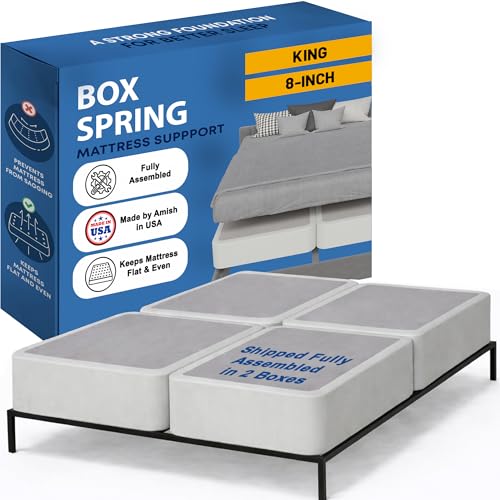
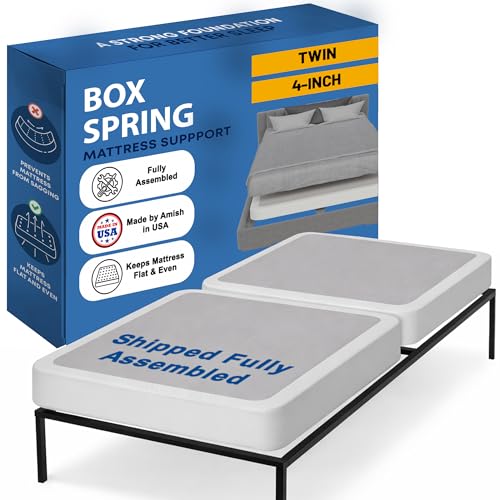
Most bed-in-a-box mattresses require a solid or slatted foundation with slats no more than 3 inches apart. Box springs with large gaps can cause foam to sag prematurely, and many warranties exclude damage caused by improper support. Platform beds, adjustable bases, and bunkie boards are typically safe, but always check the manufacturer’s foundation policy before pairing.
If you are building a bedroom setup around a compressed mattress, our guides to platform beds and bed frames that fit adjustable beds explain the support specifications to look for.
Frequently Asked Questions
What is a bed in a box?
A bed in a box is a mattress that is compressed, rolled, and vacuum-sealed into a compact box for convenient shipping and delivery. Once unboxed, it expands to its full size within a few hours to a few days. The format is popular because it simplifies delivery and allows buyers to test the mattress at home during a trial period.
How long does a bed in a box take to expand?
Most models expand within 24 to 72 hours after unboxing. Memory foam models typically recover faster than hybrid or latex models, and warmer room temperatures can speed the process. You can usually sleep on the mattress after a few hours, though it may continue to firm up slightly over the first few nights.
Are bed-in-a-box mattresses good for back pain?
Many are, particularly medium-firm and firm models with zoned support layers that reinforce the lower back. Side sleepers with back pain may prefer a softer surface that cushions pressure points while maintaining alignment. If you have a diagnosed spinal condition, consult a healthcare professional before choosing a firmness level.
Can you use a bed in a box on any bed frame?
Most models work with standard bed frames, including platform beds, adjustable bed frames, and slatted bases. Always check the manufacturer’s foundation requirements — slats spaced more than 3 inches apart can void a warranty. Box springs with large gaps are generally not recommended for foam mattresses.
How do I compare two mattresses with similar firmness labels?
Compare construction details rather than labels: comfort layer thickness, foam density, core type, and zoning. A model with a thicker, higher-density comfort layer will generally feel more contouring and hold its shape longer than a thinner entry-level build. Look for published density specifications and warranty terms as proxies for durability.
Final Thoughts: Compare Construction, Not Marketing
The best bed in a box for you is the one whose construction matches your sleep position, firmness preference, and foundation setup. Use the category table above to narrow your shortlist, then compare specific models on layer thickness, core type, zoning, and trial terms. A mattress that scores well on a generic “best of” list but conflicts with your sleep style will disappoint you by the end of the trial window.
If you are still exploring adjacent categories, the mattress comparison hub and the bed frame comparison guide provide the surrounding context. For bedding that pairs well with a new compressed mattress, browse our linen sheets overview.