Aromatherapy for Sleep: A Complete Guide to Using Essential Oils for Better Rest
If you have ever struggled to fall asleep or found yourself waking up repeatedly through the night, you are not alone. Millions of people deal with occasional sleeplessness, and many are turning to natural approaches to improve their rest. Aromatherapy for sleep has gained significant attention as a gentle, accessible way to create a more calming bedtime environment.
Why this guide matters: If you are researching ways to sleep better without relying solely on medication, aromatherapy offers a complementary approach. This guide covers the science, the best essential oils, safety considerations, and practical setup tips so you can make an informed decision before purchasing any sleep aromatherapy products.
This guide is designed for anyone in the research phase — you already know you want to improve your sleep environment, and you may be considering a diffuser, essential oil set, or aromatherapy sleep kit. Below, we break down everything you need to know before making a purchase decision.
What Is Aromatherapy and How Does It Relate to Sleep?
Aromatherapy is the practice of using concentrated plant extracts — essential oils — to support physical and psychological well-being. When you inhale the aroma of an essential oil, molecules travel to your olfactory system, which connects directly to the limbic system in your brain. This is the area responsible for emotions, memory, and arousal states.
Certain essential oils contain compounds that may promote relaxation, reduce feelings of stress, and create a sense of calm. While aromatherapy is not a medical treatment for insomnia or sleep disorders, many people find it helpful as part of a broader sleep hygiene routine. If you are working on building healthy bedtime habits, you may also benefit from reading our sleep hygiene guide.
How Aromatherapy Fits Into a Sleep Routine
Aromatherapy is best viewed as a supporting element rather than a standalone solution. Think of it as part of a layered approach that includes:
- A consistent bedtime schedule
- A dark, cool, and quiet bedroom environment
- Limiting screen time before bed
- Choosing a comfortable mattress and supportive pillows
- Using calming scents to signal to your body that it is time to wind down
The scent itself acts as a sensory cue. Over time, your brain begins to associate specific aromas with the transition to sleep, making the ritual more powerful.
The Best Essential Oils for Sleep
Not all essential oils are equal when it comes to promoting rest. Below is a breakdown of the most commonly recommended oils, along with what they are best used for. We have organized them by a simple tier system — essential tier, balanced tier, and premium tier — based on how commonly they are used and how well-documented their relaxation properties are in aromatherapy literature.
| Essential Oil | Tier | Primary Benefit | Best For |
|---|---|---|---|
| Lavender (Lavandula angustifolia) | Essential Tier | Calming, floral scent that supports relaxation | Beginners, general sleep support |
| Chamomile (Matricaria chamomilla) | Essential Tier | Soothing, warm aroma that promotes tranquility | People who find lavender too strong |
| Bergamot (Citrus bergamia) | Balanced Tier | Citrus-floral scent that eases tension | Stress-related restlessness |
| Cedarwood (Cedrus atlantica) | Balanced Tier | Woody, grounding aroma | Creating a cozy, earthy bedroom atmosphere |
| Ylang-Ylang (Cananga odorata) | Balanced Tier | Sweet, exotic floral scent | Deep relaxation and mood support |
| Frankincense (Boswellia carterii) | Premium Tier | Rich, resinous aroma used in meditation | Mindful bedtime rituals |
| Vetiver (Vetiveria zizanioides) | Premium Tier | Deep, smoky-earthy scent | People who prefer non-floral aromas |
| Neroli (Citrus aurantium) | Premium Tier | Delicate floral-citrus blend | Sensitive sleepers and light floral preferences |
Many people start with lavender because it is the most widely studied and commonly available option. As you become more experienced, you can explore blending oils — for example, combining lavender with cedarwood for a grounding, floral-woody aroma, or chamomile with bergamot for a soothing citrus-floral blend.
Single Oils vs. Blends
Single essential oils give you full control over the scent and allow you to tailor your experience. Blends, on the other hand, are pre-mixed formulas designed for specific purposes — such as "Sleep," "Calm," or "Bedtime." For beginners, a professionally formulated sleep blend can be a convenient starting point. For those who enjoy experimentation, single oils offer more flexibility.
When choosing between entry-level and premium options, keep in mind that the difference is often in the purity of the oil, the sourcing of the plant material, and the distillation process. Premium-tier oils typically undergo more rigorous testing and may have more complex, nuanced aromas. Mid-range options often provide good value for their tier, especially for beginners who are still discovering their preferences.
How to Use Aromatherapy for Sleep
There are several ways to incorporate essential oils into your bedtime routine. The method you choose depends on your lifestyle, the size of your bedroom, and your sensitivity to scents.
1. Ultrasonic Diffusers
A diffuser is the most popular method for bedroom aromatherapy. It uses water and ultrasonic vibrations to disperse essential oil molecules into the air as a fine mist. Many diffusers include timers, adjustable mist settings, and soft ambient lighting — features that can double as a calming nightlight.
For sleep purposes, look for a diffuser with a timer that can run for 30 to 60 minutes, allowing you to fall asleep with the scent without running it all night. Running a diffuser continuously may be unnecessary and can lead to sensory fatigue. If you are also setting up other bedroom elements, such as a bed frame or mattress topper, consider how the overall environment supports relaxation.
2. Pillow Sprays and Linens
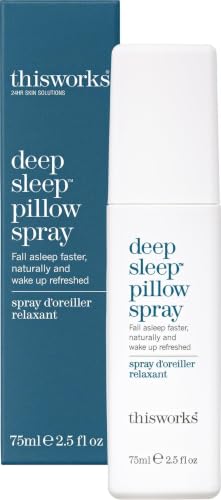
Pillow sprays are pre-diluted blends of essential oils, water, and sometimes a small amount of alcohol or witch hazel. They are designed to be misted lightly over pillows and bedding. This method is convenient and requires no equipment beyond the spray bottle itself. However, always test a small area first to ensure the spray does not stain your bedding.
If you use a mattress protector or pillow protector, you can spray directly onto the protector rather than the fabric beneath, which makes cleaning easier.
3. Essential Oil Inhalers
Personal inhalers are small, portable tubes containing a cotton wick saturated with essential oil. You simply uncap the inhaler and breathe in the aroma. This is a good option if you share a bed with someone who is sensitive to scents or if you prefer a more targeted approach.
4. Aromatherapy Candles and Wax Melts
Scented candles and wax warmers can create a cozy atmosphere, but they are not ideal for sleep because they require an open flame or heat source and should not be left unattended. If you enjoy candlelight as part of your wind-down ritual, extinguish the flame before you get into bed.
5. Room Sprays
Similar to pillow sprays but designed for larger areas, room sprays can be used to freshen the bedroom air before bedtime. Choose sprays made with natural essential oils rather than synthetic fragrances, especially if you are sensitive to chemicals.
Safety Considerations Before You Buy
Aromatherapy is generally considered safe for most adults when used correctly, but there are important precautions to keep in mind:
- Dilution is essential. Never apply undiluted essential oils directly to your skin. If you plan to use a topical blend, dilute it with a carrier oil such as jojoba, sweet almond, or fractionated coconut oil.
- Patch test first. Before using a new oil on your skin or bedding, do a small patch test to check for sensitivity.
- Keep away from pets. Some essential oils — including tea tree, eucalyptus, and citrus oils — can be toxic to cats and dogs. If you have pets that share your bedroom, research pet-safe options or use a personal inhaler instead of a diffuser.
- Ventilate the room. If you use a diffuser, ensure the room has some air circulation. Do not run a diffuser in a completely closed, unventilated space for extended periods.
- Consult a healthcare provider. If you are pregnant, nursing, or managing a medical condition, speak with your doctor before starting aromatherapy.
- Store oils safely. Keep essential oil bottles out of reach of children and pets, and store them in a cool, dark place to preserve their potency.
For additional guidance on creating a safe and comfortable sleep environment, our mattress buying guide covers factors that work alongside aromatherapy, such as mattress firmness, materials, and support.
Building a Bedtime Aromatherapy Routine
The most effective aromatherapy routine is one you can repeat consistently. Here is a simple framework to get started:
- 30 minutes before bed: Turn on your diffuser with a calming oil or blend. Dim the lights and reduce screen brightness.
- 15 minutes before bed: Complete your hygiene routine and mist your pillow with a sleep spray if you use one.
- At bedtime: Turn off the diffuser or set it to a shorter timer. Get into bed and focus on slow, steady breathing.
Over time, this sequence becomes a powerful signal to your brain that sleep is approaching. The scent, the dim light, and the routine work together to ease the transition from wakefulness to rest.
If you are also investing in your bedroom's overall comfort, you may want to explore beds and frames that suit your sleep style or bedding and linens that complement your sensory preferences — soft, breathable fabrics can enhance the calming effect of aromatherapy.
Choosing the Right Aromatherapy Products: Tier Guide
When shopping for sleep aromatherapy products, you will encounter a wide range of options. To help you compare without relying on specific figures, here is a tier-based framework:
| Tier | Typical Characteristics | Best For |
|---|---|---|
| Essential Tier | Basic diffusers, single-note oils, simple pillow sprays. Functional design and straightforward features. | First-time buyers, casual users, those testing whether aromatherapy suits them. |
| Balanced Tier | Diffusers with timers and adjustable mist, mid-range oil sets with reliable purity, blended sleep sprays. | Regular users who want consistent quality and a few convenient features. |
| Premium Tier | Whisper-quiet diffusers with programmable settings, certified organic single-origin oils, artisanal blends. | Dedicated aromatherapy enthusiasts, scent-sensitive sleepers, those building a long-term routine. |
| Luxury Tier | Designer diffusers with smart-home integration, rare or limited-harvest oils, curated sleep ritual kits. | Experienced users seeking the highest level of craftsmanship and customization. |
As a general rule, the mid-range and premium tiers often offer the best balance of performance and longevity for most households. Entry-level options are perfectly serviceable for testing whether aromatherapy fits your routine. Luxury-tier products typically appeal to those who have already integrated aromatherapy into their lifestyle and want the finest available materials and design.
Common Mistakes to Avoid
Even well-intentioned aromatherapy routines can go off track. Here are some pitfalls to watch for:
- Using too much oil. More is not better. A few drops are usually sufficient for a bedroom diffuser. Overpowering scents can be irritating rather than calming.
- Choosing the wrong scent profile. Not every "relaxing" oil works for everyone. If a particular floral scent feels cloying, try a woody or citrus option instead.
- Skipping dilution. If you are making your own pillow spray or topical blend, always follow dilution guidelines — typically 1-2% essential oil in a carrier.
- Ignoring air quality. Diffusing in a small, closed room without ventilation can lead to headaches or respiratory irritation. Crack a window or use a diffuser with an auto-off timer.
- Expecting overnight miracles. Aromatherapy is a supportive tool, not a cure for sleep disorders. Pair it with healthy sleep habits and, if needed, professional guidance.
If you suspect you have a sleep disorder such as sleep apnea or chronic insomnia, aromatherapy should not replace medical evaluation. Our sleep apnea guide and insomnia tips provide additional context on when to seek professional help.
Frequently Asked Questions
Some people notice a calming effect within minutes of inhaling a familiar scent. For the routine-building benefit — where your brain begins to associate a scent with sleep — it may take one to two weeks of consistent use. The key is repetition and pairing the scent with a consistent bedtime ritual.
Yes, many people use aromatherapy nightly as part of their wind-down routine. However, it is a good idea to take occasional breaks or rotate scents to prevent sensory fatigue. If you notice irritation or headaches, reduce usage or discontinue.
Essential oils should be used with extra caution around children. Some oils are not recommended for young children, and dilution requirements are stricter. Consult a pediatrician or a qualified aromatherapist before using essential oils in a child's bedroom. For children's sleep environments, focus first on a safe bed — our kids beds guide covers foundational considerations.
A diffuser is designed to disperse essential oils into the air in a fine mist. A humidifier adds moisture to the air and is not intended for essential oils (unless it has a dedicated essential oil tray). For aromatherapy purposes, use a diffuser. For dry air, use a humidifier — ideally separately.
No. Aromatherapy is a complementary practice, not a medical treatment. If you are taking sleep medication or considering it, speak with your healthcare provider before making changes. Aromatherapy can support a healthy sleep routine but should not be used as a substitute for prescribed treatment.
Ready to Build Your Sleep Sanctuary?
Explore our recommended aromatherapy sleep products below and take the next step toward deeper, more restful nights.
View Recommended ProductsFinal Thoughts
Aromatherapy for sleep is a simple, enjoyable way to enhance your bedtime environment. Whether you choose a single lavender oil, a pre-blended sleep spray, or a full diffuser setup, the goal is to create a sensory cue that helps you transition into rest. Start with one or two oils, experiment with timing and intensity, and pay attention to how your body responds.
Remember that aromatherapy works best as part of a holistic approach. Combine it with a supportive mattress, comfortable bedding, and healthy sleep habits. If you are still selecting the foundation of your sleep setup, our guides on mattresses, bed frames, and sleep health can help you make informed choices.
Sweet dreams — and breathe easy.