Memory Foam Pillows: The Complete Buying Guide for Better Sleep
Learn how density, loft, contour shape, and cooling features affect comfort — and how to match a memory foam pillow to your sleep position, body type, and personal preferences before you invest.
Start the GuideWhy memory foam pillows deserve your attention: Unlike traditional fiberfill that bunches and flattens, memory foam responds to heat and weight to mold around your head and neck. That contouring action can reduce pressure points and help keep your spine aligned through the night. This guide walks through the practical details — foam density, loft height, firmness, cover materials, and maintenance — so you can narrow your options with confidence and choose a pillow that genuinely suits the way you sleep.
What Makes a Memory Foam Pillow Different?
Memory foam — also called viscoelastic foam — was originally developed for aerospace seating and later adapted into bedding. Its defining trait is slow recovery: when you press into the foam, it holds the impression briefly before easing back into shape. For a pillow, that translates into consistent, contouring support rather than the springy pushback of latex or the shifting loft of down.
Two qualities matter most in how a pillow will feel and perform: foam density and foam firmness. They are not the same thing. Density is a measure of how much material is packed into a given volume, and it usually corresponds with durability. Firmness describes how hard or soft the surface feels when you press into it. A high-density pillow can still feel soft if it is engineered that way, and a low-density pillow can feel firm at first before breaking down.
If you are also considering a broader mattress upgrade, our memory foam mattresses guide covers the full sleeping surface in similar detail, while this page stays focused on the pillow itself. For a broader comparison across pillow types, see our full mattress comparison hub, which also links to related sleep surface decisions.
Key Factors When Choosing a Memory Foam Pillow
1. Sleep Position
Your dominant sleep position is the single most useful filter. Side sleepers usually need a taller pillow that fills the space between the shoulder and the ear so the neck stays level. Back sleepers tend to do well with a medium loft that supports the natural curve of the cervical spine without pushing the chin forward. Stomach sleepers generally need a low, relatively soft pillow — or a very thin profile — to avoid craning the neck. Combination sleepers often benefit from a medium-loft pillow that is responsive enough to stay comfortable when they shift position.
2. Loft Height
Loft is the height of the pillow when it is resting flat. This is where memory foam pillows vary enormously: you will find low-profile options around two to three inches and tall contoured pillows that rise well above that. Because memory foam does not compress the way down does, buying the right loft up front matters more than with a traditional pillow. A pillow that is too high will tilt the head forward; too low and the neck loses support.
3. Firmness
Memory foam pillows are usually described as soft, medium, or firm. Soft options tend to suit stomach sleepers and smaller frames. Medium is the broadest fit and works for many back and combination sleepers. Firm contoured pillows are often chosen by side sleepers and people who want more resistance under the neck. If you are unsure, a medium-firm pillow with a removable or adjustable layer is a practical starting point.
4. Contour vs. Traditional Shape
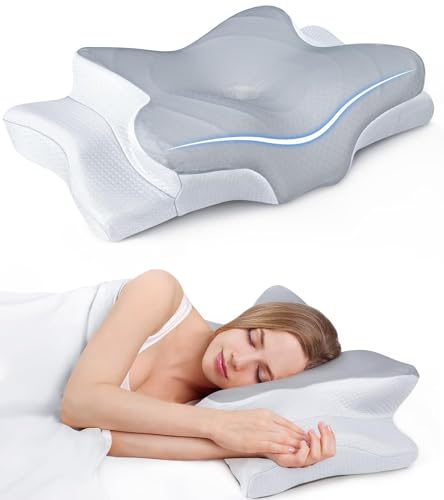
Contoured pillows have a raised edge and a recessed center, often with a slight curve designed to cradle the neck. They can be helpful for back and side sleepers who want guided alignment. Traditional flat or gusseted shapes offer more freedom to shift around and may suit combination sleepers or anyone who dislikes feeling locked into one position. Shredded memory foam pillows sit somewhere in between: they can be fluffed and adjusted like a fiber pillow while still offering memory foam's contouring feel.
5. Foam Density and Durability
Higher-density foam generally holds its shape longer, while lower-density foam may feel plusher at first but can soften and flatten sooner. Density is not usually printed in large type on packaging, but product descriptions often mention it. As a general rule, pillows described as high-density or premium-density tend to be the more durable choice within their tier, while entry-level pillows may use lower-density foam and show wear earlier.
6. Cooling and Breathability
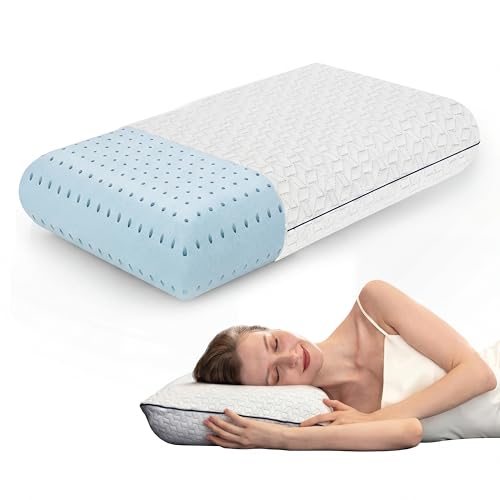
Traditional memory foam can trap heat, which is a common complaint among warm sleepers. Manufacturers now address this in several ways: gel infusions that are meant to draw heat away, ventilated foam with channels or perforations, and breathable or moisture-wicking covers. Cooling features are worth prioritizing if you overheat at night. If temperature regulation is a major concern for you, our mattress toppers guide and the broader mattresses section discuss heat management across the whole sleep surface.
7. Cover Material and Washability
Memory foam cores themselves are generally not machine washable, so the cover does the heavy lifting for hygiene. Look for a removable, machine-washable cover, ideally with a zipper. Breathable covers — cotton, bamboo-derived viscose, or knit blends — help with airflow. A separate pillow protector can extend the life of both the cover and the foam.
Memory Foam Pillow Types at a Glance
Contoured Cervical Pillow
Raised edges and a recessed center guide the neck into alignment. Often chosen by back and side sleepers who want structured support.
Traditional Flat Memory Foam
A straightforward block or gusseted shape. Simple, familiar feel with contouring support; suits many back and combination sleepers.
Shredded Memory Foam
Adjustable loft you can add to or remove. Good for sleepers who want to fine-tune height and prefer a fluffable feel.
Cooling / Gel-Infused
Gel beads, ventilated foam, or breathable covers aimed at reducing heat buildup. A sensible option for warm sleepers.
Travel and Compact
Smaller profiles designed for portability. Useful for frequent travelers who still want memory foam support.
Body Pillow (Foam Blend)
Longer formats with memory foam filling for full-body support. Helpful for side sleepers and pregnancy comfort.
Matching Pillow Type to Sleep Position
| Sleep Position | Recommended Loft | Suggested Firmness | Shape to Consider |
|---|---|---|---|
| Side sleeper | Medium to high | Medium-firm to firm | Contoured or gusseted |
| Back sleeper | Medium | Medium | Contoured cervical or flat |
| Stomach sleeper | Low | Soft to medium-soft | Low-profile flat |
| Combination sleeper | Medium | Medium | Shredded or responsive flat |
| Warm sleeper (any position) | Match position | Match position | Cooling / ventilated build |
A Practical Buying Checklist
Before you commit to a memory foam pillow, run through these points. They are the questions that most often cause buyers to return a pillow they thought would work.
- Confirm the return policy. Pillows are highly personal, and many reputable sellers offer a trial window. Read the fine print on hygiene restrictions before ordering.
- Check the loft measurement, not just the marketing label. Two pillows both called "medium" can differ by an inch or more in actual height.
- Look for a removable, washable cover. The foam core cannot be washed, so cover hygiene matters for long-term use.
- Note whether the pillow has an off-gassing period. New foam often has a mild scent that fades within a few days after unboxing and airing out.
- Consider an adjustable or shredded option if you are unsure about loft. Being able to add or remove filling is a low-risk way to dial in comfort.
- Prioritize cooling features if you sleep warm. Gel infusions and ventilated foam are the most common approaches; breathable covers help as well.
- Check certifications where relevant. Third-party labels for foam safety and low emissions are a reasonable signal of quality, though they are not a guarantee of comfort.
Caring for Your Memory Foam Pillow
Memory foam is durable but not indestructible. A few habits will keep it supportive for longer:
- Use a pillow protector. A washable protector shields the cover and core from sweat, oils, and dust mites.
- Wash the cover regularly. Follow the care label — most covers are machine washable on a gentle cycle and should be air-dried or tumble-dried on low.
- Never soak or machine-wash the foam core. Spot-clean only, and let it air dry fully away from direct heat.
- Air the pillow periodically. A few hours in a well-ventilated room helps freshen it and release trapped moisture.
- Rotate and fluff. Rotating the pillow head-to-foot every few weeks helps distribute wear, and a gentle fluff (for shredded models) restores loft.
- Replace when support fades. Most memory foam pillows last two to three years. Persistent flattening, a crumbling feel, or a lingering odor are signs it is time for a new one. Our guide on mattress warranty and trial policies offers useful context on how warranties work for sleep products more broadly.
Who Benefits Most from a Memory Foam Pillow?
Memory foam pillows tend to appeal to sleepers who want consistent, contouring support and dislike the shifting feel of down or fiberfill. They are a common choice for side and back sleepers, for people who wake with neck stiffness, and for anyone who prefers a pillow that stays put through the night. Combination sleepers often do well with shredded memory foam because they can adjust the loft, while stomach sleepers should look for genuinely low-profile options.
They are not a universal fit. Some sleepers find memory foam too warm or too "stuck" feeling, and those who move around a lot may prefer a more responsive material. If you are exploring a broader bedroom setup, our bedroom decor section and the sleep health section cover environment and routine factors that work alongside the right pillow. For a full mattress upgrade to pair with your new pillow, the mattress buying guide is the natural next read.
Frequently Asked Questions
What is the best memory foam pillow for side sleepers?
Side sleepers typically benefit from a higher-loft memory foam pillow with medium or medium-firm support to fill the gap between the shoulder and the neck. A contoured pillow with a raised edge often works well because it keeps the spine in a neutral alignment.
How often should I replace a memory foam pillow?
Most memory foam pillows last between two and three years with regular use. Signs that it is time to replace include loss of support, persistent flattening, a lingering odor, or visible crumbling of the foam.
Are cooling memory foam pillows worth considering?
Cooling memory foam pillows use gel infusions, breathable covers, or ventilated foam to reduce heat buildup. They are worth considering if you tend to sleep warm or wake up with night sweats, as traditional memory foam can trap body heat.
Can memory foam pillows help with neck pain?
A properly fitted memory foam pillow can support the natural curve of the neck and reduce pressure points, which may help ease discomfort. However, persistent neck pain should always be evaluated by a healthcare professional.
Do memory foam pillows smell when new?
New memory foam often has a mild, temporary scent from the manufacturing process. It usually fades within a few days after unboxing and airing the pillow in a well-ventilated room. A strong or persistent odor is a reason to contact the seller.
Can I wash a memory foam pillow?
The foam core should never be machine washed or soaked. Spot-clean it and air dry thoroughly. The removable cover, if present, can usually be machine washed according to its care label.