Twin Beds: The Complete Guide to Compact Comfort
Everything you need to know about choosing a twin bed — from standard frames and space-saving designs to mattress compatibility, storage options, and room-by-room placement for kids, adults, and guests.
Start Your Twin Bed ResearchWhy twin beds remain a smart choice: A twin bed is the most space-efficient adult sleeping surface available, making it ideal for small bedrooms, guest rooms, children's rooms, and studio apartments. Despite its compact footprint, the twin bed category offers remarkable variety — from simple slat frames to upholstered designs, from basic platform beds to storage-packed configurations with drawers and trundles.
This guide walks you through the practical decisions that matter: understanding twin versus twin XL dimensions, selecting the right frame material and style, matching a mattress to your sleeping position, and planning the surrounding layout. Whether you are furnishing a first apartment, upgrading a child's bedroom, or setting up a comfortable guest space, the information below helps you choose with confidence.
Twin Bed Sizes and Dimensions Explained
Before comparing frames and mattresses, it helps to understand the size distinctions within the twin family. The table below summarizes the key measurements and typical use cases so you can match the bed to your room and sleeper.
| Size | Typical Dimensions | Best For | Market Position |
|---|---|---|---|
| Standard Twin | 38" wide × 75" long | Children, single adults under 6'0", guest rooms, small bedrooms | Essential tier |
| Twin XL | 38" wide × 80" long | Taller teens and adults, dormitories, adjustable bed setups | Mid-tier |
| Twin Bunk (per bunk) | 38" wide × 75" long (each level) | Shared children's rooms, vacation properties, hostels | Mid-range |
| Twin Daybed | 38" wide × 75" long (dual-use) | Home offices, guest rooms, studio apartments | Premium |
The standard twin remains the most common configuration for children's rooms and compact guest spaces. If the primary sleeper is taller than average or the bed will serve an adult regularly, a twin XL adds five inches of length without widening the footprint — a meaningful upgrade that many buyers overlook during the research phase. For households that occasionally host two guests, a twin bed with a trundle provides a second sleeping surface that stores neatly underneath.
Types of Twin Bed Frames and Their Strengths
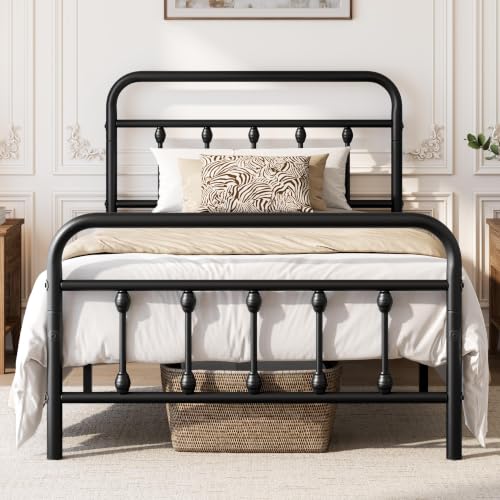
The frame you choose determines the bed's visual style, durability, and how well it integrates with storage or room layout. Below are the main categories worth comparing during your research.
Platform and Slat Frames
Platform frames with slats support the mattress directly, eliminating the need for a box spring. Their low profile suits contemporary and minimalist bedrooms. Slat spacing matters for mattress longevity — narrower gaps provide better support for foam and hybrid models.
Explore twin slat bed options →Upholstered Twin Beds
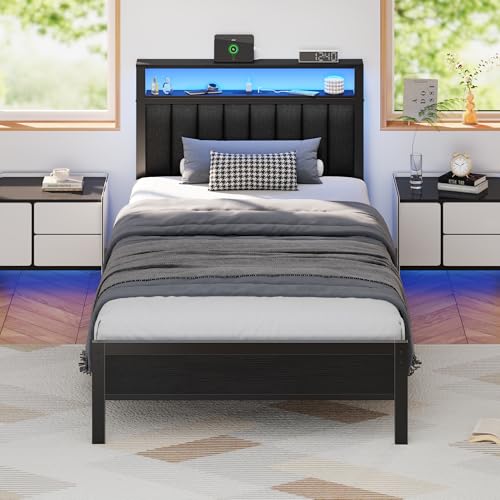
Upholstered frames add softness and acoustic comfort to a room, with fabric or velvet finishes that anchor the decor. They suit guest rooms and primary bedrooms where visual warmth matters. Check frame construction beneath the fabric — solid build quality matters more than surface appearance.
Compare upholstered twin beds →Storage and Drawer Frames
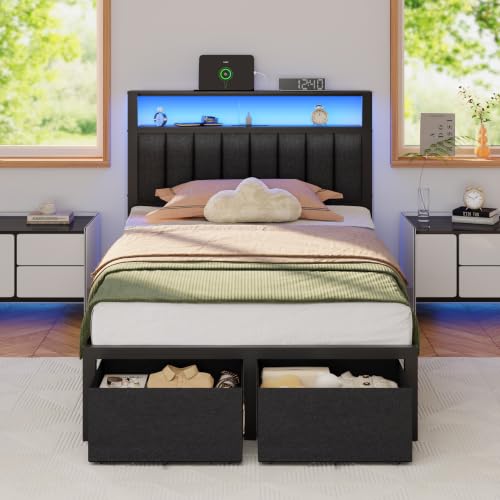
Under-bed drawers convert unused vertical space into practical storage for linens, clothing, or toys. These frames suit small rooms where every square foot counts. Confirm drawer clearance and hardware quality before committing, especially in high-use children's rooms.
See twin beds with drawers →Bunk and Loft Configurations
Bunk beds stack two twin sleeping surfaces in the footprint of one, while loft beds raise the sleeping platform to free floor space beneath. Both suit shared children's rooms and compact layouts. Safety rails and ladder stability are essential checks.
Review twin bunk bed designs →Daybeds and Convertible Designs
A daybed serves as seating by day and a twin sleeping surface by night — a strong choice for home offices and multi-purpose rooms. Some models include pop-up trundles for occasional second guests. Look for backrest height and cushion support that work for both uses.
Explore twin daybeds for adults →Adjustable and Specialty Frames
Adjustable twin beds allow head and foot elevation, which benefits reading, recovery, and circulation. Twin XL adjustable models are common in senior living and healthcare-adjacent settings. Confirm mattress compatibility — not all foam or hybrid models flex appropriately.
Learn about twin adjustable beds →Matching a Mattress to Your Twin Bed Frame
A twin frame is only as comfortable as the mattress it supports. The right match depends on the sleeper's body weight, preferred sleeping position, and the frame's support structure. Here is how the main mattress types perform in twin dimensions.
| Mattress Type | Feel and Support | Best For | Position in Category |
|---|---|---|---|
| Memory Foam | Contouring pressure relief, motion isolation | Side sleepers, shared rooms where movement transfer matters | Balanced tier |
| Innerspring | Bouncy, breathable, traditional feel | Back and stomach sleepers who prefer a responsive surface | Starter tier |
| Hybrid | Foam comfort layers over coil support | Combination sleepers wanting durability and cooling | High-end tier |
| Latex | Resilient, natural feel, temperature neutral | Eco-conscious buyers, sleepers wanting a firmer response | Premium |
For children's rooms, a medium-firm foam or hybrid mattress in twin size typically balances support and durability. Adults using a twin as a primary bed should prioritize pressure relief — side sleepers especially benefit from contouring foam layers. If you are furnishing a guest room, a twin bed with frame and mattress bundled together simplifies the decision and ensures dimensional compatibility.
Box springs are optional for most modern twin mattresses. Platform and slat frames generally do not require one, while traditional bed frames may benefit from a low-profile foundation. For bunk beds, a twin box spring designed for bunk beds can add height and support in lower bunks where clearance allows.
Planning Your Room Around a Twin Bed
Twin beds shine in rooms where space is limited, but placement still matters. A few practical guidelines help you avoid a cramped result.
Leave walking clearance: Aim for at least 24 inches of clear floor space on the side where you enter and exit the bed. In very small rooms, positioning the twin bed against one wall frees up the opposite side for a nightstand or dresser. This is a common strategy in twin beds for small rooms layouts.
Use vertical storage: A twin bed with headboard storage keeps books, glasses, and small essentials within reach without consuming floor space. Combined with under-bed drawers, this creates a compact but functional sleeping zone.
Consider the room's second function: If the bedroom doubles as a home office or study, a loft or daybed configuration preserves usable floor area during daytime hours. For households that occasionally need two separate sleeping surfaces, a pair of twin beds that can be pushed together offers flexibility — separate for guests, combined for couples who prefer the arrangement.
Plan for the future: Children grow quickly. A standard twin typically serves a child from early school age through the teenage years, while a twin bed designed for adults may offer sturdier construction and higher weight capacity for long-term use. If the bed will transition between child and adult use, choose a frame with a conservative weight rating and durable joinery.
Who Should Choose a Twin Bed — and Who Should Not
Twin beds are not universally ideal. Understanding the fit helps you avoid a purchase that disappoints after delivery.
Strong Fit: Children and Teens
The standard twin is the default children's bed for good reason — it fits typical room dimensions, supports growing bodies, and accommodates themed bedding and storage accessories easily. A twin bed for kids can include safety features like lower platform height or rounded corners.
Strong Fit: Single Adults in Small Homes
Studio apartments, small bedrooms, and guest rooms benefit from the twin's compact footprint. An adult using a twin as a primary bed should confirm the frame's weight capacity and choose a supportive mattress — this is where twin beds built for adults differ from lightweight children's frames.
Strong Fit: Guest and Multi-Use Rooms
A twin bed that doubles as seating or storage suits rooms with more than one purpose. Daybeds, trundle beds, and storage frames all work well in guest rooms, home offices, and vacation properties where flexibility matters more than bedroom-only use.
Weak Fit: Couples Sharing a Bed
A single twin is too narrow for two adults to share comfortably. Couples should consider a full, queen, or king — or a pair of twins pushed together with a connector. If you want the flexibility of separate twins that combine into a larger surface, plan for the seam and mattress height matching.
Weak Fit: Very Tall Sleepers
Anyone taller than about 6 feet will find a standard twin's 75-inch length restrictive. Twin XL adds five inches and is the better choice for taller teens and adults. The width remains the same, so the footprint advantage is preserved.
Weak Fit: Co-Sleeping Families
A twin bed does not provide enough surface area for an adult and a child to co-sleep safely. Families who regularly co-sleep should look at full or queen sizes, or a floor bed arrangement designed for that purpose.
Understanding Quality Tiers in Twin Beds
Twin bed frames and mattresses span a wide range of construction quality. Rather than focusing on numerical figures, it helps to understand how the market positions different products and what each tier typically delivers.
| Tier | Typical Construction | Expected Lifespan | Best For |
|---|---|---|---|
| Entry-level / Starter tier | Lightweight metal or composite frames, basic slat systems | Short to medium term, light use | Guest rooms, temporary setups, first apartments |
| Mid-range / Balanced tier | Solid wood or reinforced metal, better joinery, denser foams | Medium to long term, regular use | Children's rooms, primary adult beds in small rooms |
| Premium / High-end tier | Hardwood frames, high-grade steel, premium upholstery, quality foams | Long term, daily use | Primary bedrooms, long-term investments, adult daily use |
| Luxury / Flagship tier | Artisan joinery, designer upholstery, specialized mattress systems | Extended lifespan with care | Design-focused bedrooms, statement furniture pieces |
A mid-range frame usually offers the best balance for most households — it provides durable construction for daily use without the specialized detailing of premium designs. For children's rooms, entry-level frames can work if the weight rating is adequate, but mid-range models typically hold up better to the wear of growing children and everyday play.
Twin Bed Buying Checklist
Before you finalize a twin bed purchase, run through these practical checks to reduce the chance of a return or a poor fit.
- Measure the room and doorway: Confirm the frame's assembled dimensions fit your space, and that the packaged bed can pass through doorways and stairwells.
- Verify the weight capacity: Especially important for adult use and bunk beds. Manufacturer specifications should be published and clear.
- Check mattress compatibility: Platform frames need slat spacing under three inches for foam mattresses. Adjustable frames require flexible mattress construction.
- Confirm the size variant: Twin and twin XL frames are not interchangeable. Match the frame and mattress size exactly.
- Inspect storage hardware: For drawer and trundle frames, check drawer glides, stops, and clearance before daily use.
- Plan the assembly: Some frames require two people and a few hours. Confirm the tools and instructions included, and whether in-home assembly is offered.
- Review the warranty: Frame warranties typically cover structural defects. Mattress warranties vary significantly by construction type.
For buyers who want to compare complete sets rather than individual pieces, a twin bed set can simplify the process by bundling a frame, headboard, and sometimes a mattress or storage components. Sets are especially useful when matching finishes across a child's bedroom or a coordinated guest room.
Related Twin Bed Categories Worth Exploring
The twin bed category branches into many specialized configurations. Depending on your room and household needs, one of these directions may fit better than a standard frame.
Space-Saving Bunk Configurations
Bunk beds, loft beds, and corner configurations pack two or more sleeping surfaces into a compact footprint. Options include twin over twin bunk beds with stairs and storage and twin bunk beds that come apart into separate beds when needs change.
Storage-Rich Designs
Under-bed storage, headboard compartments, and integrated dressers extend the twin bed's utility. A twin bed with a dresser underneath can replace a separate furniture piece in a compact room.
Convertible and Multi-Function Beds
Trundle beds, daybeds, and sofa beds serve more than one purpose. A twin size sofa bed works for a home office that occasionally hosts overnight guests, while a twin sleeper chair bed provides a compact seating-to-sleeping conversion.
Upholstered and Style-Focused Frames
Fabric, velvet, and upholstered finishes bring warmth and visual interest. Compare upholstered bed frames across styles if you want the twin bed to contribute to the room's design rather than simply provide a sleeping surface.
Accessible and Adjustable Options
For seniors or anyone with mobility considerations, twin size adjustable beds for seniors offer head and foot elevation. Lower platform heights can also improve accessibility in standard twin frames.
Bedding and Accessories
Once the bed is chosen, bedding completes the setup. Explore twin bedspread sets and twin comforters for bunk beds to coordinate the look and protect the mattress.
Frequently Asked Questions About Twin Beds
What size is a twin bed?
A standard twin bed measures approximately 38 inches wide by 75 inches long. A twin XL shares the same width but extends to 80 inches in length. Always confirm the exact dimensions from the manufacturer, as slight variations exist between brands.
Is a twin bed suitable for adults?
Yes — twin beds work well for single adults, especially in small bedrooms, studio apartments, and guest rooms. Adults taller than about six feet should consider a twin XL for additional legroom. Weight capacity and frame construction matter more than the size label for adult use.
What is the difference between a twin bed and a twin XL bed?
The length is the primary difference: 75 inches for a standard twin versus 80 inches for a twin XL. Width is the same at 38 inches. Twin XL is common in college dormitories and adjustable bed configurations because the extra length suits taller sleepers.
Can two twin beds be pushed together to form a larger bed?
Yes, two twin beds pushed together approximate the width of a king bed. The seam between mattresses may be noticeable, and mattress heights should match for comfort. Dedicated connectors or bridge pieces can improve the arrangement for couples who prefer separate mattresses in a combined layout.
Do I need a box spring for a twin bed?
Most modern twin mattresses do not require a box spring when paired with a platform or slat frame. Traditional bed frames may benefit from a low-profile foundation. For bunk beds, a specifically designed box spring can add support and height where clearance allows.
How much weight can a twin bed hold?
Weight capacity varies widely by frame material and construction. Entry-level metal frames often support less weight than solid wood or reinforced steel designs. Always check the manufacturer's published weight rating and choose a frame rated for the intended sleeper.
Ready to Choose Your Twin Bed?
Compare frames, mattresses, and space-saving designs using the insights above. Our curated selection below highlights twin beds across quality tiers so you can find a practical match for your room and sleeping needs.
View Recommended Twin Beds