Best Mattress Toppers: Complete Buying Guide & Top Picks
Transform a firm or aging mattress into a comfortable sleep surface. Compare materials, thickness levels, and firmness options to find the right topper for your sleep style.
EXPLORE THE GUIDEWhy a Mattress Topper? If you are researching mattress toppers, you likely already know your current bed needs a comfort upgrade. A topper is a practical first step before committing to a full mattress replacement. It can soften a firm surface, add pressure relief for side sleepers, extend the life of a guest bed, or introduce cooling technology to a heat-retaining mattress. This guide walks through the materials, thickness levels, and firmness options so you can choose with confidence.
Mattress Topper Buying Guide: What Actually Matters
Before browsing models, understand the four variables that determine whether a topper will work for you: material, thickness, firmness, and cooling performance. Getting these right is more important than any brand name.
Material
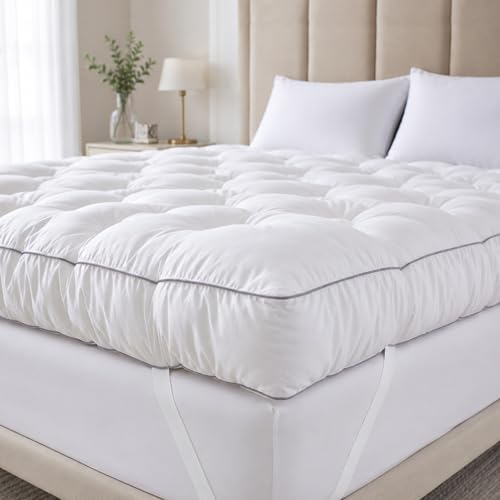
Memory foam offers deep contouring and motion isolation. Latex responds faster and sleeps cooler. Gel-infused and graphite-infused foams target heat retention. Down alternative provides a plush, pillow-top feel with lighter support.
Decision FactorThickness
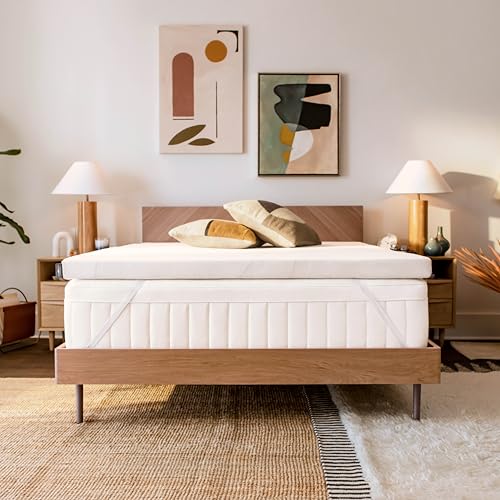
A 2-inch topper adds surface cushioning without changing the feel much. A 3-inch topper delivers balanced pressure relief. A 4-inch or thicker topper creates a noticeable softness shift and suits very firm mattresses or heavy side sleepers.
Decision FactorFirmness
Soft toppers (plush) are best for side sleepers and pressure-point relief. Medium toppers serve combination sleepers. Firm toppers suit back and stomach sleepers who want support without sink-in. Dual-firmness options exist for couples.
Decision FactorMattress Topper Materials Compared
| Material | Best For | Feel | Heat Retention | Typical Tier |
|---|---|---|---|---|
| Memory Foam | Pressure relief, motion isolation, side sleepers | Slow-contouring, sink-in | Moderate to high (gel/graphite variants reduce this) | Entry-level to premium |
| Latex | Hot sleepers, eco-conscious buyers, responsive support | Bouncy, fast-reacting | Low | Mid-range to luxury |
| Gel-Infused Foam | Hot sleepers who still want memory foam contouring | Slow-contouring with cooler surface | Moderate | Mid-range to premium |
| Down Alternative | Plush pillow-top feel, guest rooms, light comfort | Fluffy, hotel-style | Low to moderate | Entry-level to mid-range |
| Wool | Temperature regulation, natural materials | Firm, dense cushion | Low | Mid-range to high-end tier |
How to Choose a Mattress Topper for Your Sleep Style
- Side sleepers: Prioritize a soft or medium topper at 3 inches or thicker to cushion hips and shoulders. Memory foam or a plush latex blend works well.
- Back sleepers: A medium-firm topper at 2 to 3 inches maintains spinal alignment while adding surface comfort. Latex or a firmer memory foam is a solid choice.
- Stomach sleepers: Choose a thin, firm topper (2 inches) to avoid excessive sink-in that can arch the lower back.
- Hot sleepers: Look for open-cell foam, gel infusion, graphite infusion, or latex. Avoid thick traditional memory foam without cooling features.
- Couples: A topper with strong motion isolation (memory foam) reduces disturbance. Dual-firmness toppers are available for different preferences.
- Guest rooms and RV beds: A down alternative or medium foam topper adds comfort without a major commitment. Browse related top-rated mattresses if the base bed is due for replacement.
Topper Thickness: Finding the Right Profile
Thickness is the single biggest driver of how a topper feels. Match it to your mattress firmness and body weight:
- 2-inch toppers (essential tier): Light cushioning for already-comfortable mattresses. Good for stomach sleepers and guest beds.
- 3-inch toppers (balanced tier): The most versatile option. Adds meaningful pressure relief without swallowing your body. Ideal for side and combination sleepers.
- 4-inch and thicker (top-tier): Deep contouring for very firm mattresses or heavier sleepers. Best paired with a mattress that already offers solid support.
Care, Longevity, and Warranty Tips
A topper is a long-term investment when cared for properly. These habits extend its usable life:
- Rotate the topper every three to six months to prevent uneven compression.
- Use a washable topper cover or mattress protector to keep the core clean. Pair with quality sheets for a complete bedding refresh.
- Air the topper out monthly to release trapped moisture and heat.
- Spot-clean foam and latex; avoid machine washing unless the label permits it.
- Check warranty terms before purchase. Mid-range and premium toppers often include multi-year coverage for manufacturing defects.
Upgrading other parts of your sleep setup? Explore our guides to the best pillows, top bed frames, and highest-rated sheets to build a complete sleep environment.
Ready to Find Your Best Mattress Topper?
Browse our recommended picks below, selected for material quality, cooling performance, and durability across different sleep styles and mattress types.
SEE TOP PICKSFrequently Asked Questions About Mattress Toppers
How thick should a mattress topper be?
A 2-inch topper adds light cushioning, while a 3-inch topper offers balanced pressure relief. Toppers of 4 inches or more provide deep contouring and are best for very firm mattresses or side sleepers who need extra give.
Can a mattress topper fix a sagging mattress?
A topper can mask minor sagging and add comfort, but it cannot repair structural damage. If your mattress has deep impressions or broken support layers, replacing the mattress is the safer long-term choice. Compare recommended mattresses if you are weighing replacement.
What is the best mattress topper material for hot sleepers?
Latex, gel-infused foam, and graphite-infused foam tend to sleep cooler than traditional memory foam. Look for open-cell foam constructions and breathable covers with cooling fibers for the best heat dissipation.
Do mattress toppers come with a warranty?
Many mid-range and premium toppers include warranties ranging from three to ten years. Entry-level toppers often carry shorter coverage. Always review the warranty terms for exclusions on stains and normal wear.