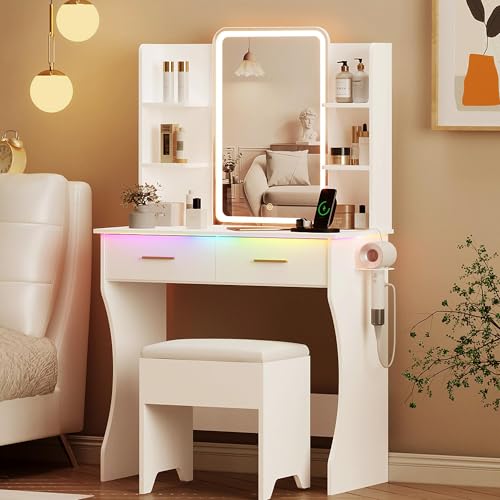
Vanity Tables: The Complete Buying Guide
Everything you need to choose the perfect vanity table for your bedroom. Explore styles, materials, lighting setups, and storage solutions to create a functional and beautiful personal space.
Explore Vanity StylesWhy a vanity table matters: A well-chosen vanity table does more than provide a surface for your morning routine. It creates a dedicated personal zone within your bedroom, keeps your essentials organized, and adds a touch of elegance to your space. Whether you prefer a classic dressing table or a modern floating vanity, the right choice balances function, style, and the available room in your bedroom.
What Is a Vanity Table?
A vanity table, also known as a dressing table or makeup vanity, is a bedroom furniture piece designed with a flat work surface, a mirror (either built-in or separate), and storage for personal care items. Traditional vanity tables often include drawers for cosmetics, jewelry, and grooming tools, while modern designs may incorporate open shelving, glass tops, or integrated lighting.
Unlike a standard desk, a vanity table is typically positioned for seated use with a mirror at eye level. The height usually ranges from 28 to 32 inches, accommodating a stool or vanity chair. Some designs include a tri-fold mirror for multiple viewing angles, while others pair with a wall-mounted mirror for a cleaner look.
Types of Vanity Tables
Vanity tables come in several configurations, each suited to different room sizes, style preferences, and storage needs. Understanding these types helps narrow down the best option for your bedroom.
Traditional Dressing Table
The classic design features a rectangular table with drawers on both sides and a central knee space. Often paired with a matching stool and a large mirror. Traditional styles suit bedrooms with ample floor space and a preference for cohesive furniture sets.
Corner Vanity Table
Designed to fit into a corner, these space-saving units maximize awkward areas of the bedroom. Corner vanities often include a triangular or L-shaped surface with a built-in mirror and compact storage. Ideal for small bedrooms and studio apartments.
Wall-Mounted Vanity
A floating vanity attaches directly to the wall, freeing up floor space and creating a clean, modern look. These designs often feature a slim profile with minimal storage. Wall-mounted vanities work well in contemporary bedrooms and compact spaces.
Vanity Desk with Storage
Combining the function of a desk and a vanity, these units include ample drawer space, sometimes with a lift-top mirror or a removable organizer. They suit multi-purpose bedrooms where the surface may also serve as a study or work area.
Hollywood-Style Vanity
Recognizable by the large mirror surrounded by round bulbs, this glamorous style brings a professional makeup station feel to the bedroom. Hollywood vanities typically feature a wide surface and multiple drawers, making them a top-tier choice for dedicated beauty enthusiasts.
Floating Shelf Vanity
A minimalist option consisting of a wall-mounted shelf or narrow ledge paired with a mirror. This design offers the least storage but creates an airy, uncluttered aesthetic. Best suited for small bedrooms or as a secondary grooming station.
Key Features to Consider
When evaluating vanity tables, focus on these essential features to ensure the piece meets your daily routine and fits your bedroom layout.
- Mirror type: Built-in mirrors offer convenience, while separate mirrors provide flexibility. Tri-fold mirrors give multiple angles, and magnifying mirror inserts help with detailed tasks.
- Storage configuration: Look for a mix of drawers, open shelves, and compartments. Deep drawers accommodate larger items, while shallow drawers with dividers keep small items organized.
- Surface area: Ensure the tabletop is wide enough for your daily essentials. A surface of at least 36 inches wide provides comfortable working space for most users.
- Lighting integration: Some vanity tables include built-in LED lighting or pre-drilled holes for wiring. This simplifies setup and reduces the need for separate lamps.
- Material and finish: Solid wood, engineered wood, and metal are common materials. Consider the finish's resistance to moisture and scratches, especially if the vanity will hold liquids or tools.
- Seating compatibility: Check the knee space height and width to ensure a stool or chair fits comfortably. Adjustable-height stools accommodate different users.
- Assembly requirements: Some vanity tables arrive fully assembled, while others require significant setup. Review assembly instructions and required tools before purchasing.
Materials and Construction
The material of a vanity table affects its durability, appearance, and maintenance requirements. Here is a comparison of common materials used in vanity construction.
| Material | Tier | Best For | Key Characteristics |
|---|---|---|---|
| Solid Wood | Premium to Luxury | Long-term use, classic bedrooms | Durable, repairable, natural grain, heavy |
| Engineered Wood with Veneer | Mid-range | Balanced durability and style | Stable, consistent finish, moderate weight |
| Metal Frame with Glass Top | Mid-range to Premium | Modern and minimalist bedrooms | Sleek, easy to clean, sturdy frame |
| Laminate over Particle Board | Entry-level | Light use, temporary setups | Lightweight, variety of finishes, budget-friendly tier |
| Glass and Acrylic | Mid-tier to Top-tier | Contemporary spaces, visual lightness | Scratch-resistant, reflective, requires frequent cleaning |
Construction tip: Check drawer glides and hinges when evaluating a vanity table. Metal glides with a smooth action outlast plastic alternatives. Reinforced corner joints and a solid base reduce wobble over time. For wall-mounted vanities, ensure the mounting hardware is rated for the unit's weight and installed into wall studs.
Lighting for Vanity Tables
Lighting is one of the most important elements of a functional vanity setup. Poor lighting leads to uneven application and eye strain, while well-planned lighting enhances the room's ambiance and makes the vanity more enjoyable to use.
Surround lighting is the gold standard for vanity tables. This means placing light sources on both sides of the mirror at face level, which minimizes shadows and provides even illumination. Options include:
- Hollywood mirror bulbs: Round LED bulbs mounted around the mirror frame provide bright, even light with a glamorous look.
- LED strip lighting: Adhesive or framed LED strips around the mirror perimeter offer a modern, low-profile solution with adjustable brightness.
- Wall sconces: Mounted on either side of the vanity, sconces provide soft, diffused light and free up surface space.
- Adjustable task lamps: A small lamp with a flexible arm allows targeted lighting for detailed tasks, though it may cast shadows if positioned on only one side.
For bedrooms with limited natural light, consider a vanity table positioned near a window for daytime use, supplemented by artificial lighting for evening routines. For more bedroom lighting ideas, explore our bedroom decor guides for complementary styling advice.
Storage and Organization
An organized vanity table transforms your daily routine. Effective storage keeps products accessible, reduces clutter, and protects items from dust and damage. Consider these storage strategies when choosing a vanity table.
- Drawer dividers: Compartmentalize shallow drawers to separate small items like brushes, compacts, and jewelry.
- Acrylic organizers: Clear containers keep products visible and grouped by category, fitting neatly on the tabletop or inside drawers.
- Open shelving: Lower shelves or side racks hold frequently used items within reach while adding a display element.
- Wall-mounted storage: Small floating shelves or pegboards above the vanity extend storage vertically without consuming surface space.
- Vanity trays: A decorative tray corrals perfumes, lotions, and daily essentials, making the tabletop look intentional rather than cluttered.
If your bedroom has limited storage overall, consider pairing your vanity with additional bedroom furniture that offers hidden storage. Our guide to under-bed storage solutions provides complementary ideas for maximizing space.
How to Choose the Right Vanity Table
Selecting the ideal vanity table involves matching the piece to your room dimensions, daily habits, and aesthetic preferences. Follow these steps to narrow down your options.
- Measure your space: Record the available wall length, floor clearance, and height of adjacent furniture. Account for the swing of nearby doors and drawer extensions.
- Define your storage needs: Count the items you plan to store and categorize them by size. If you have many small items, prioritize drawer dividers; if you have larger tools, look for deeper drawers.
- Choose a mirror configuration: Decide whether a built-in mirror, a separate mirror, or a tri-fold design best suits your routine and room layout.
- Select a style that complements the room: Match the vanity's material and finish to existing bedroom furniture. A cohesive look enhances visual flow and perceived quality.
- Plan for lighting: Decide whether to use built-in vanity lighting, separate lamps, or wall-mounted sconces. Ensure electrical outlets are accessible for any powered lighting.
- Consider seating: Choose a stool or chair that fits the knee space and provides comfortable seating height. Adjustable stools accommodate multiple users.
- Review assembly and installation: Determine whether you need a freestanding or wall-mounted unit and whether you are comfortable with the required installation.
Vanity Table vs. Other Bedroom Furniture
A vanity table can serve multiple purposes in a bedroom, but understanding how it differs from similar furniture helps you make an informed choice.
Vanity vs. desk: A desk is optimized for work with a deeper surface and often a cable management system. A vanity prioritizes mirror placement and cosmetic storage. Some hybrid designs combine both functions, which suits multi-purpose bedrooms.
Vanity vs. dresser: A dresser provides large-volume storage for clothing, while a vanity offers a seated workspace and smaller compartments for personal items. In compact bedrooms, a single piece that combines a dresser top with a vanity mirror can serve both needs.
Vanity vs. nightstand: A nightstand is a bedside companion for books, lamps, and small items. A vanity table is a dedicated grooming station. Both can coexist in a well-planned bedroom layout. For small bedside storage ideas, see our wall-mounted bedside table guide.
Placement and Setup Tips
Where you place your vanity table affects both its functionality and the overall feel of your bedroom. Consider these placement strategies.
- Near a window: Natural light is ideal for daytime grooming. Position the vanity so that light falls on your face rather than casting shadows from behind.
- Against a solid wall: A wall anchor adds stability, especially for tall or narrow vanities. Wall mounting also frees up floor space.
- Away from the bed: Keep the vanity separate from the sleep zone to maintain a calm bedroom atmosphere. A clear distinction between rest and activity areas supports better sleep hygiene.
- Accessible to outlets: If you use powered lighting, heated styling tools, or a lighted mirror, ensure outlets are within reach without stretching cords across walking paths.
- Balanced with other furniture: Place the vanity opposite or adjacent to other bedroom furniture to create visual balance. Avoid overcrowding one side of the room.
For more bedroom layout inspiration, explore our guides on small room bed arrangements and bed styles to coordinate your full bedroom design.
Maintenance and Care
Regular care keeps your vanity table looking its best and extends its useful life. Follow these maintenance practices based on the material of your vanity.
- Wood surfaces: Dust weekly with a soft cloth. Use a wood-safe cleaner for deeper cleaning and avoid excess moisture. Apply furniture polish occasionally to maintain the finish.
- Glass tops: Clean with a glass cleaner and a lint-free cloth. Avoid abrasive pads that can scratch the surface.
- Metal frames: Wipe with a damp cloth and dry immediately. Check for rust or finish wear, especially in humid environments.
- Drawers and glides: Keep drawer tracks free of debris. Apply a silicone-based lubricant to metal glides if they become stiff.
- Mirrors: Clean with a streak-free glass cleaner. Avoid spraying directly onto the mirror frame to prevent moisture damage.
For broader bedroom maintenance routines, see our complete buying guide for tips on caring for sleep-related furniture.
Frequently Asked Questions
What size vanity table is best for a small bedroom?
For small bedrooms, a compact vanity table measuring around 30 to 36 inches wide works well. Wall-mounted or corner vanity designs maximize floor space, while those with built-in storage keep clutter contained. Consider a floating shelf-style vanity or a fold-away design if floor space is extremely limited.
What type of lighting works best for a vanity table?
Surround lighting is ideal for a vanity table because it reduces shadows on the face. Options include Hollywood-style mirror bulbs, LED strip lighting around the mirror frame, or adjustable wall sconces on either side. Avoid overhead-only lighting, which can cast unflattering shadows.
Should a vanity table have a built-in mirror or a separate one?
A built-in mirror offers convenience and a cohesive look, especially in compact spaces. A separate mirror provides flexibility in placement and size, and can be repositioned as needed. Many mid-range and premium vanity sets include a matching mirror, while entry-level models often sell the mirror separately.
What materials are most durable for a vanity table?
Solid wood and engineered wood with a quality veneer offer the best durability. Metal frames with glass or wood tops also hold up well and suit modern aesthetics. Particle board with a laminate finish is common in entry-level models and works fine for lighter use, but check for reinforced joints and a sturdy base.
How do I organize a vanity table efficiently?
Use drawer dividers, acrylic organizers, and small trays to group items by category. Keep daily essentials within arm's reach and store occasional items in deeper drawers. A mix of open shelving and closed storage balances accessibility with a tidy appearance. Mount a small wall shelf above the vanity for extra vertical storage.
Final Thoughts
A vanity table is more than a piece of furniture; it is a personal space that supports your daily routine and enhances your bedroom's design. By considering the type, materials, lighting, storage, and placement, you can choose a vanity table that fits your lifestyle and your room. Whether you prefer a traditional dressing table with drawers, a sleek wall-mounted design, or a glamorous Hollywood-style setup, the right choice brings both function and beauty to your bedroom.
Before making a final decision, measure your space, review your storage needs, and plan your lighting setup. A well-chosen vanity table will serve you for years and become a cherished part of your bedroom environment. For more bedroom styling and furniture guidance, explore our bedroom decor guides and buying guides.