Feather Beds: Your Complete Guide to Cloud-Like Comfort
A feather bed transforms an ordinary mattress into a plush, hotel-quality sleep surface. Whether you are chasing that nostalgic sink-in feeling or looking to soften a too-firm mattress, this guide covers everything you need to choose, care for, and enjoy a feather bed.
Explore Feather Bed TypesWhat You Will Learn
What Is a Feather Bed?
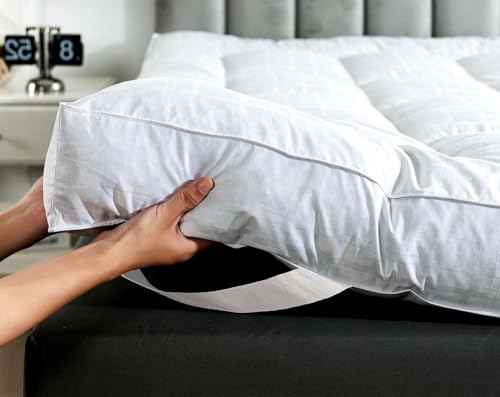
A feather bed is a thick, padded mattress topper filled with feathers, traditionally placed on top of a mattress to add a layer of plush, cushioned comfort. Unlike a full mattress, a feather bed is designed as a comfort layer that softens the sleep surface and adds loft. The concept dates back centuries when feather-filled sacks served as the primary sleep surface; today, feather beds are used as luxurious toppers that bring a hotel-like feel to any bed.
Modern feather beds typically feature a baffle-box or channel construction that keeps the filling evenly distributed, preventing clumping and cold spots. The cover is usually made from breathable cotton with a high thread count, and many models include a removable, washable outer cover for easy maintenance.
Key takeaway: A feather bed is a topper, not a mattress replacement. It adds a distinct sink-in softness and is especially helpful for sleepers who find their mattress too firm but do not want to invest in a new mattress. For those considering a mattress upgrade instead, explore our guide to flippable mattresses or foam beds in a box.
Types of Feather Beds
Feather beds come in several constructions, each offering a different feel and level of support. Understanding these types helps you match the topper to your sleep style and mattress.
Baffle-Box Feather Beds
Baffle-box construction uses interior walls (baffles) to create individual chambers of filling. This design keeps feathers evenly distributed and allows the bed to maintain consistent loft across the surface. Baffle-box feather beds are considered the most durable and supportive type, making them a solid choice for daily use.
Channel-Stitch Feather Beds
Channel-stitch feather beds feature sewn channels running head-to-foot or side-to-side. These are generally lighter and more plush than baffle-box designs, though the filling may shift more over time. They are a common entry-level option and suit sleepers who prefer a softer, more relaxed feel.
Down-and-Feather Blends
Many premium feather beds combine a feather core for support with a down top layer for softness. This hybrid approach delivers the best of both worlds: the resilience and loft of feathers with the cloud-like softness of down. Blended fills are often described as "mid-tier" or "premium" depending on the down-to-feather ratio.
Hypoallergenic and Synthetic Alternatives
For allergy sufferers or those who prefer a vegan option, synthetic feather beds use polyester or microfiber fill to mimic the feel of natural feathers. While they may not match the breathability and longevity of natural fills, modern synthetic options can be surprisingly comfortable and are easy to clean.
Feather vs. Down: Understanding the Fill
The fill material is the most important factor in how a feather bed feels and performs. Here is how the two main natural fills compare.
| Feature | Feather Fill | Down Fill |
|---|---|---|
| Feel | Firmer, more supportive, slightly springy | Softer, cloud-like, maximum plushness |
| Loft and Resilience | Good loft, holds shape well with regular fluffing | Excellent loft, compresses easily but recovers |
| Durability | Long-lasting with proper care; quills add structure | Delicate; may degrade faster without a quality cover |
| Breathability | Good airflow, suitable for most climates | Very breathable, temperature-regulating |
| Best For | Sleepers who want support with softness; firmer mattress softening | Sleepers who prioritize maximum plushness and a luxurious feel |
Many sleepers find that a feather bed with a moderate down blend offers the ideal balance. If you are specifically looking for a down-focused product, you may also be interested in our broader guide to feather beds for a deeper comparison of fill ratios and constructions.
Quality Tiers: Entry-Level to Luxury
Feather beds are available across a range of quality tiers. Rather than focusing on specific figures, it helps to understand what each tier generally offers so you can align your expectations with the product category.
Essential Tier
These feather beds typically use a higher proportion of feathers with a simpler channel-stitch construction. They offer a noticeable improvement in softness over a bare mattress and are a good starting point for first-time feather bed users.
Balanced Tier
A step up in construction and fill quality. Mid-tier feather beds often feature baffle-box designs, higher fill weights, and better cotton covers. They provide a more consistent loft and longer lifespan than entry-level options.
High-End Tier
Premium feather beds use carefully sorted feathers and may include a down top layer for added softness. Covers are typically high-thread-count cotton with reinforced seams, and the overall construction is designed for daily use over many years.
Flagship Tier
At the top of the category, luxury feather beds feature premium fill blends, meticulous craftsmanship, and often a generous down-to-feather ratio. These are long-term investments for sleepers who want a hotel-quality sleep surface at home.
When comparing tiers, look at fill weight, cover material, construction type, and warranty. A mid-range feather bed with a baffle-box design often delivers the best balance of durability and comfort for most households.
How to Choose the Right Feather Bed
Selecting a feather bed comes down to matching the topper to your mattress, sleep position, and personal preferences. Use the following checklist to narrow your options.
Consider Your Mattress Firmness
A feather bed is most beneficial on a mattress that feels too firm. If your mattress is already plush or has significant sink, adding a thick feather bed may create excessive softness that compromises support. For mattresses that need a different kind of adjustment, a flippable mattress or a foam bed in a box may be a better long-term solution.
Match the Loft to Your Sleep Position
- Back sleepers: A medium-loft feather bed provides gentle cushioning without throwing the spine out of alignment.
- Side sleepers: A slightly thicker feather bed can relieve pressure on shoulders and hips, especially on a firm mattress.
- Stomach sleepers: Choose a lower-loft or firmer feather bed to avoid excessive sink that can strain the lower back.
- Combination sleepers: A baffle-box feather bed with moderate fill offers consistent support across positions.
Check the Cover and Construction
A breathable cotton cover with a high thread count improves comfort and helps keep the filling in place. Look for reinforced seams and a secure closure. If you plan to use the feather bed on a dorm or adjustable bed, verify that the dimensions and flexibility suit your setup — our guides to extra-long twin sheets for dorm beds and fitted bedsheets for king-size beds can help you coordinate bedding.
Think About Maintenance
Natural feather beds require regular fluffing and occasional airing. If easy maintenance is a priority, consider a model with a removable, washable cover or a synthetic alternative. Allergy sufferers should look for tightly woven covers that act as allergen barriers.
Pro tip: Pair your feather bed with a quality mattress protector to extend its lifespan and keep the fill fresh. Browse our feather beds collection for models that combine baffle-box construction with washable covers.
Care and Maintenance Tips
With proper care, a quality feather bed can last for many years. Follow these maintenance practices to keep your topper fresh, lofty, and comfortable.
Daily and Weekly Care
- Shake and fluff the feather bed each morning to redistribute the filling and maintain loft.
- Rotate the topper head-to-foot every few weeks to promote even wear.
- Use a mattress protector or a washable cover to shield the feather bed from sweat and spills.
Deep Cleaning
- Airing the feather bed outdoors on a dry, breezy day helps refresh the fill and remove moisture.
- If the cover is removable and washable, follow the manufacturer's instructions — usually a gentle cycle with mild detergent and thorough drying.
- Avoid washing the feather fill itself unless the care label explicitly permits it; improper washing can clump feathers and damage the loft.
Storage
When not in use, store the feather bed in a breathable cotton bag or a well-ventilated space. Avoid vacuum-sealing or compressing the bed for extended periods, as this can permanently reduce loft.
Who Should Consider a Feather Bed?
A feather bed is a versatile comfort layer, but it is particularly well-suited to certain sleepers and situations.
- Sleepers on a too-firm mattress who want a softer surface without replacing the mattress.
- Side sleepers who need extra pressure relief on shoulders and hips.
- Hotel-style comfort seekers who love the plush, sink-in feel of a well-made bed.
- Guest room hosts who want to add a layer of luxury for visitors.
- Nostalgic sleepers who remember feather beds from childhood and want to recreate that cozy feeling.
Feather beds may not be ideal for sleepers who require firm, orthopedic support, or for households with severe feather allergies. In those cases, a flippable mattress with a firm side or a hypoallergenic synthetic topper may be a better fit.
Ready to Add Cloud-Like Comfort?
Explore our curated selection of feather beds and discover the perfect topper for your sleep style. From essential tier to luxury construction, there is a feather bed for every preference.
View Recommended Feather BedsFrequently Asked Questions
What is a feather bed?
A feather bed is a thick, padded mattress topper filled with feathers, placed on top of a mattress to add plush comfort. It is a comfort layer rather than a mattress replacement.
What is the difference between a feather bed and a down bed?
Feather beds use larger, firmer feathers for support and loft, while down beds use softer, finer down clusters for maximum plushness. Many premium options combine both: a feather core for support with a down top layer for softness.
How often should a feather bed be fluffed?
Shake and fluff your feather bed daily or every few days to maintain loft and prevent clumping. A thorough airing and fluffing every month helps keep the filling evenly distributed and fresh.
Are feather beds suitable for allergy sufferers?
People with feather or dust mite allergies should consider hypoallergenic alternatives or look for feather beds with tightly woven, allergy-barrier covers. Washable covers and regular cleaning reduce allergen buildup.
Can a feather bed be used on any mattress?
Yes, a feather bed can be used on most mattresses, including innerspring, memory foam, and hybrid types. It is especially effective on firm mattresses. Avoid using a thick feather bed on an already-plush mattress if you need firm support.