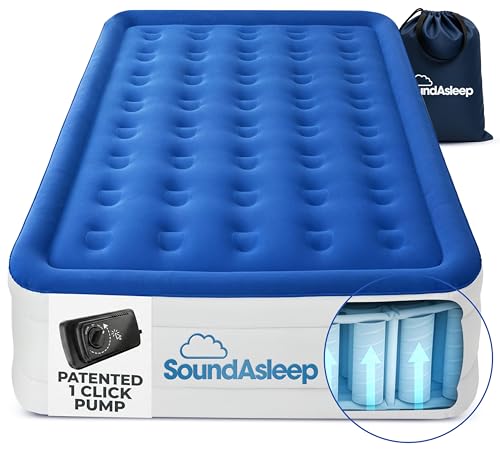
Mattress Comparison: Find Your Perfect Match
Confused by the endless options? Compare mattress types, firmness levels, and materials side by side. Our comprehensive guide breaks down everything you need to know before making your decision.
START COMPARINGWhy Compare Before You Buy? A mattress is a long-term investment in your health and comfort. The wrong choice can lead to poor sleep, back pain, and wasted resources. This guide helps you understand the real differences between mattress types so you can choose with confidence.
Understanding Mattress Types
The first step in any mattress comparison is understanding the core construction. Each type has distinct characteristics that suit different sleepers. For a deeper dive into materials and construction, explore our complete mattress buying guide.
Memory Foam Mattresses
Viscoelastic foam that contours to your body, relieving pressure points. Excellent motion isolation and a quiet sleep surface. Ideal for side sleepers and couples.
Pros
- Superb pressure relief
- Zero motion transfer
- Silent sleep surface
Considerations
- Can sleep warm
- Slower response time
- Edge support varies
Innerspring Mattresses
Traditional coil-based construction offering a bouncy, responsive feel. Good airflow and strong edge support. A solid choice for back and stomach sleepers.
Pros
- Responsive bounce
- Excellent airflow
- Strong edge support
Considerations
- Motion transfer
- Less contouring
- Coil quality varies
Hybrid Mattresses
Combine foam layers with coil support systems. The best of both worlds—pressure relief from foam and responsiveness from coils. A versatile option for all sleep styles.
Pros
- Balanced comfort
- Good airflow
- Suits all sleepers
Considerations
- Heavier build
- Some motion transfer
- Layer quality matters
Latex Mattresses
Natural or synthetic latex offers resilient, buoyant support. Sleeps cooler than memory foam and is highly durable. A top-tier choice for eco-conscious sleepers.
Pros
- Durable construction
- Sleeps cool
- Responsive support
Considerations
- Heavy and difficult to move
- Bouncy feel
- Fewer contouring options
Side-by-Side Mattress Comparison
Use this table to compare key characteristics across mattress types. Remember that individual models within each category can vary significantly—always check the specific specifications of the mattress you are considering.
| Feature | Memory Foam | Innerspring | Hybrid | Latex |
|---|---|---|---|---|
| Feel | Contouring, slow-response | Bouncy, responsive | Balanced, responsive | Buoyant, springy |
| Motion Isolation | Excellent | Low | Good | Moderate |
| Edge Support | Varies by model | Strong | Good | Good |
| Temperature | Can sleep warm | Sleeps cool | Sleeps cool | Sleeps cool |
| Durability | Good (5–8 years) | Moderate (5–7 years) | Good (7–10 years) | Excellent (10–15 years) |
| Best For | Side sleepers, couples | Back/stomach sleepers | All sleep styles | Eco-conscious, hot sleepers |
| Tier | Mid-Range to Premium | Entry-Level to Mid-Range | Mid-Range to Luxury | Premium to Luxury |
Firmness: Finding Your Comfort Zone
Firmness is subjective, but the industry uses a standard scale from 1 (softest) to 10 (firmest). Your ideal firmness depends on your body weight, sleep position, and personal preference.
- Soft (1–3): Best for lightweight side sleepers who need deep pressure relief. Explore soft mattresses for plush comfort.
- Medium (4–6): The most popular choice. Balances comfort and support for combination sleepers. See our medium mattress selection.
- Medium-Firm (6–7): A versatile option that suits most sleepers, especially those with back pain. Compare medium-firm mattresses.
- Firm (8–10): Ideal for stomach sleepers and heavier individuals who need strong support. Browse firm mattresses.
Pro Tip: If you and your partner have different firmness preferences, consider a dual-firmness mattress that lets each side be customized. Also, check our mattress size chart to ensure you choose the right dimensions for your bedroom.
Mattress Comparison by Sleep Position
Your sleep position is one of the most important factors in choosing a mattress. Here is how different types perform for each style:
Side Sleepers
Need pressure relief at hips and shoulders. Memory foam and hybrid mattresses in the soft-to-medium range are usually the best fit. Learn more in our side sleeper guide.
Back Sleepers
Require balanced support to keep the spine aligned. Medium-firm to firm mattresses work well. Hybrid and latex models offer excellent support. See our back sleeper guide.
Stomach Sleepers
Need a firmer surface to prevent the hips from sinking. Innerspring and firm hybrid mattresses are often recommended. Read our stomach sleeper guide.
Combination Sleepers
Change positions throughout the night. A medium-firm hybrid or responsive latex mattress provides the versatility needed. Check our combination sleeper guide.
Materials Comparison: What's Inside Matters
Beyond the type, the specific materials used in a mattress affect its comfort, durability, and feel. Here is a quick comparison of common materials:
| Material | Feel | Durability | Temperature | Best For |
|---|---|---|---|---|
| Memory Foam | Contouring, hugging | Good | Can retain heat | Pressure relief |
| Gel-Infused Foam | Cooler contouring | Good | Cooler than standard foam | Hot sleepers |
| Polyfoam | Supportive, firmer | Moderate | Neutral | Support layers |
| Natural Latex | Buoyant, springy | Excellent | Sleeps cool | Eco-friendly choice |
| Pocketed Coils | Responsive, localized | Good | Excellent airflow | Support and bounce |
| Bonnel Coils | Traditional bounce | Moderate | Good airflow | Entry-level support |
For a more detailed look at how different materials perform, especially if you experience back discomfort, see our guide on mattresses for back pain.
Key Factors Beyond the Type
When comparing mattresses, don't overlook these important considerations:
- Sleep Trial: Most online brands offer a trial period (often 100 nights or more). This allows you to test the mattress in your own home. Check our warranty and trial guide for details.
- Warranty: A good warranty covers defects for at least 10 years. Understand what is and isn't covered before you buy.
- Foundation Compatibility: Some mattresses require a specific foundation or box spring. Ensure your existing bed frame is compatible. If you're looking for a new frame, explore our beds and frames section.
- Certifications: Look for CertiPUR-US (for foam) or GOLS (for latex) certifications to ensure the materials meet safety and environmental standards.
- Edge Support: If you sit on the edge of your bed or sleep near the perimeter, strong edge support is important. Hybrid and innerspring mattresses typically excel here.
Maintaining Your Mattress
A well-maintained mattress lasts longer and sleeps better. Protect your investment with a quality mattress protector and consider a mattress topper to adjust firmness or add comfort. For a complete guide to mattress care, including cleaning tips and rotation schedules, see our mattress care tips.
If you're replacing an old mattress, our guide on when to replace your mattress can help you decide if it's time for an upgrade.
Frequently Asked Questions
Which mattress type lasts the longest?
Latex mattresses generally have the longest lifespan, often lasting 10–15 years or more. Hybrid mattresses typically last 7–10 years, while innerspring and memory foam models usually need replacement after 5–8 years. Proper care, including using a mattress protector and rotating the mattress regularly, can extend the life of any type.
Is a hybrid mattress better than memory foam?
It depends on your preferences. Hybrids offer a balance of contouring comfort and responsive support, with better airflow and edge support. Memory foam excels at pressure relief and motion isolation. If you sleep hot or need strong edge support, a hybrid may be the better choice. If you prioritize pressure relief and sleep undisturbed by a partner, memory foam is worth considering. Compare hybrid mattresses and memory foam mattresses to see specific models.
How do I compare mattresses for back pain?
For back pain, focus on support and spinal alignment. Medium-firm mattresses are often recommended, but the best choice depends on your sleep position. Back sleepers usually benefit from medium-firm to firm support, while side sleepers need more pressure relief. Our mattress for back pain guide provides detailed recommendations.
Can I compare mattresses in a store?
Yes, but in-store testing is limited—you only get a few minutes on each mattress. Focus on the feel and support, but understand that your experience at home over several nights is more telling. Many online brands offer sleep trials that allow you to test the mattress for weeks. Always check the return policy before purchasing.
What is the difference between mattress firmness and support?
Firmness refers to how hard or soft the surface feels. Support refers to how well the mattress keeps your spine aligned and prevents sinking. A mattress can be soft yet supportive (like a high-quality memory foam) or firm but less supportive (like an old innerspring with sagging coils). Always consider both factors when comparing.
Ready to Make Your Choice?
Now that you understand the key differences, explore our recommended mattresses and find the one that fits your sleep style.
VIEW RECOMMENDED MATTRESSES