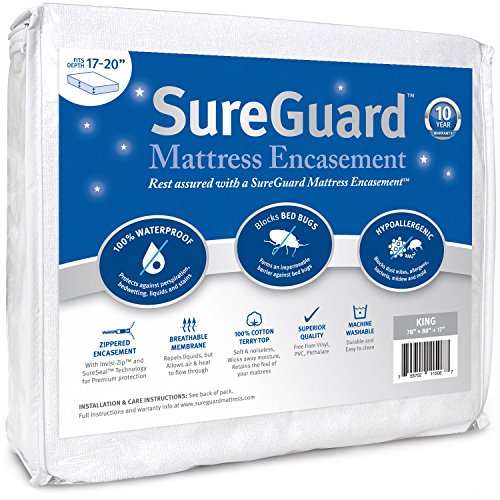
Mattress Encasements: Ultimate Protection for Your Bed
Shield your mattress from bed bugs, allergens, spills, and daily wear. Discover the best encasements for a healthier, longer-lasting sleep surface.
SHOP TOP ENCASEMENTSSleepWisePicks Insight: A mattress encasement is your first line of defense. Unlike a simple mattress pad, a full encasement zips completely around your mattress, offering 360-degree protection against bed bugs, dust mites, spills, and everyday stains. It's an essential investment for anyone who values their sleep health and mattress longevity.
What Is a Mattress Encasement?
A mattress encasement is a zippered, fitted cover that completely encloses your mattress. Unlike standard mattress protectors that only cover the top and sides, an encasement wraps around the entire mattress, including the bottom. This 6-sided protection is crucial for keeping out bed bugs, dust mites, and other allergens. It also acts as a waterproof barrier, safeguarding your mattress from spills, stains, and moisture that can lead to mold and mildew. Many people confuse mattress pads or toppers with encasements, but the key difference is the full enclosure. For those with allergies, asthma, or anyone wanting to extend the life of their investment, a quality encasement is a non-negotiable sleep essential.
Why You Need a Mattress Encasement
🛡️ Bed Bug Protection
Encasements with a fine zipper and secure seal trap bed bugs inside or prevent them from infesting your mattress. They are the only effective way to protect your bed from these pests without chemical treatments.
🌿 Allergen Barrier
Dust mites and their droppings are a common allergen trigger. A medical-grade encasement with a pore size under 10 microns blocks these microscopic irritants, creating a healthier sleep environment.
💧 Waterproof Protection
Accidents happen. Whether it's a spilled drink, sweat, or pet mishaps, a waterproof encasement keeps liquids from seeping into your mattress core. This prevents permanent stains and odor build-up.
🔄 Extends Mattress Life
By protecting against stains, moisture, and body oils, a good encasement can significantly extend your mattress's lifespan. This is especially important for high-quality mattresses like hybrid mattresses or latex mattresses.
Types of Mattress Encasements
There are several types of encasements designed for different needs. The most common are bed bug proof encasements, which feature a micro-zipper and tightly woven fabric to prevent pests from entering or escaping. Waterproof encasements are perfect for children's rooms or anyone prone to spills, as they feature a breathable but impermeable layer. For those who prioritize comfort, cotton or bamboo-based encasements offer a soft, breathable surface while still providing full protection. Some advanced models include cooling technology, which is excellent for cooling mattresses. When choosing, consider the specific threats you want to guard against. For example, if you live in an older building, a bed bug-proof model is a wise choice.
How to Choose the Right Encasement
- Check the Zipper Quality: Look for a micro-zipper with a Velcro flap to ensure bed bugs cannot escape or enter.
- Verify the Fabric: Opt for a breathable, soft material like cotton or bamboo that doesn't trap heat.
- Confirm Waterproofing: Ensure the encasement has a waterproof barrier that is still breathable.
- Know Your Mattress Depth: Measure your mattress height to ensure the encasement fits snugly (usually between 9-18 inches).
- Check for Allergen Blocking: Look for encasements that are lab-tested to block dust mites and other allergens.
- Read the Warranty: Many manufacturers offer a 10-year warranty, indicating the product's durability.
How to Care for Your Mattress Encasement
To keep your encasement effective, proper care is essential. Most encasements can be machine-washed and dried on low heat. It's recommended to wash it every 1-2 months, or immediately after any spills. When removing the encasement for washing, be careful not to tear the zipper. Unlike a simple mattress pad, you should also vacuum the encasement surface occasionally to remove surface dust and debris. If your encasement is specifically for bed pillows, the same care guidelines apply. Always check the manufacturer's instructions, but a gentle cycle with mild detergent is generally safe for all types.
Encasement vs. Mattress Protector: What's the Difference?
It's a common confusion. A mattress protector usually covers the top and sides of your mattress, similar to a fitted sheet, but leaves the bottom exposed. An encasement, on the other hand, zips around the entire 6 sides. If your primary concern is bed bugs or you want comprehensive allergy protection, an encasement is the only choice. For everyday spills and stains, a good mattress protector may suffice. However, for maximum protection and peace of mind, especially with a new memory foam mattress or a luxury innerspring mattress, a full encasement is the superior investment. It's also recommended when using a mattress topper, as it protects both the topper and the mattress underneath.
Ready to Protect Your Mattress?
Browse our recommended mattress encasements below. Each product is selected for its quality, durability, and protection capabilities. Invest in your sleep health today.