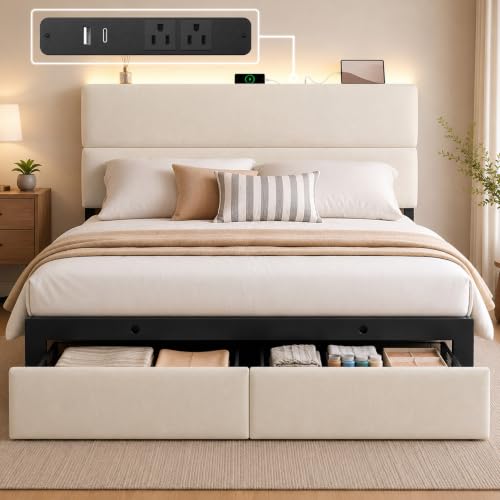
Bed Frame Comparison: Find the Right Foundation for Your Sleep
Choosing a bed frame is about more than looks. The right frame affects mattress support, durability, noise, storage, and even how easily you clean your bedroom. This comparison breaks down the most common bed frame types so you can match one to your sleep style, room size, and long-term needs.
Why this comparison matters: Most shoppers already know they want a bed frame, but they are unsure whether wood, metal, upholstered, or adjustable is the smarter choice. The sections below compare each type on support, assembly, maintenance, style range, and ideal use cases — so you can shortlist with confidence before visiting a store or retailer.
Quick Comparison at a Glance
| Frame Type | Best For | Support Level | Maintenance | Tier Range |
|---|---|---|---|---|
| Platform (Wood) | Minimalist bedrooms, foam mattresses | High — slat base supports mattress directly | Low — dust and wipe | Entry-level to luxury |
| Metal Frame | Durability, guest rooms, heavy sleepers | High — reinforced steel construction | Low — rust-proof finish on quality models | Starter tier to premium |
| Upholstered Frame | Style-focused bedrooms, cushioned edges | Medium to high — depends on slat system | Medium — fabric cleaning required | Mid-range to luxury |
| Adjustable Frame | Reading, health needs, split configurations | Very high — motorized foundation | Medium — electronics and motor care | Premium to luxury |
| Storage Frame | Small rooms, apartments, extra bedding | High — reinforced base with drawers | Medium — keep drawer tracks clean | Mid-tier to high-end tier |
1. Wood Platform Bed Frames
Platform frames use a slatted base that supports the mattress without a box spring. Solid wood and engineered wood versions are the most common, and many shoppers pair them with foam or hybrid mattresses that need a firm, breathable surface. A well-built bed frame with closely spaced slats reduces sagging and improves airflow under the mattress.
- Strengths: Clean look, no box spring needed, good airflow, easy to style with bedroom decor.
- Weaknesses: Slat spacing matters — wide gaps can void some mattress warranties; solid wood models are heavier to move.
- Best for: Foam, latex, and hybrid mattresses; minimalist and Scandinavian-style rooms.
- Tier note: Entry-level models often use thinner slats, while premium platform frames use reinforced hardwood slats and center support legs.
If you are still deciding between frame styles overall, the broader bed buying guide walks through headboard options, sizing, and room layout before you commit.
2. Metal Bed Frames
Metal frames are the durability workhorses of the bedroom. High-grade steel, reinforced corner joints, and center support legs make them a strong choice for heavy sleepers and guest rooms. Many metal frames are also available in adjustable and folding designs, which is useful for small spaces.
- Strengths: Durable construction, high weight capacity, easy to assemble, often foldable.
- Weaknesses: Can squeak if joints loosen; lower-tier models may feel less stable on uneven floors.
- Best for: Heavy sleepers, renters, guest rooms, and anyone who rearranges furniture often.
- Tier note: Starter-tier metal frames are simple bolt-together units; top-tier models feature thicker gauge steel and anti-slip slat systems.
For sleepers who want motorized functionality, compare metal frames against adjustable bed frames, which add motors and articulation but require more care.
3. Upholstered Bed Frames
Upholstered frames wrap a wood or metal structure in fabric, linen, velvet, or faux leather. They soften the look of a bedroom and are popular in modern and transitional interiors. The trade-off is maintenance: fabric collects dust and needs spot cleaning, and padding can compress over time on lower-tier models.
- Strengths: Comfortable padded edges, wide style range, softer visual presence.
- Weaknesses: Fabric maintenance, possible staining, padding wear over the years.
- Best for: Style-focused bedrooms, couples who want a softer frame edge, and rooms with a defined color palette.
- Tier note: Mid-range upholstered frames typically use denser foam and tighter fabric weaving than entry-level versions.
Upholstered frames pair well with layered bedding; see our bedding and linens section for sheet and comforter compatibility.
4. Adjustable Bed Frames
Adjustable frames use motorized bases to raise the head, foot, or both ends of the mattress. They are a meaningful upgrade for people who read or watch television in bed, need elevation for reflux or circulation, or want a split configuration in a shared bed. These frames require a compatible mattress — usually foam or flexible hybrid — and careful attention to motor care.
- Strengths: Articulating positions, health-friendly elevation, split options for couples.
- Weaknesses: Higher complexity, motor and electronics care, mattress compatibility limits.
- Best for: Readers, people with back or circulation needs, and couples who want independent positioning.
- Tier note: Premium adjustable frames add massage, USB ports, and quiet motors; luxury models add app control and under-bed lighting.
If mobility or back support is the priority, our guides on adjustable beds for back pain and adjustable beds for seniors go deeper into use cases.
5. Storage Bed Frames
Storage frames integrate drawers, lift-up platforms, or under-bed compartments into the frame itself. They are a practical choice for apartments and small bedrooms where every square foot counts. The key comparison point is drawer glide quality — lower-tier models may use simple tracks, while high-end tier versions use soft-close metal glides.
- Strengths: Extra storage, space-saving, keeps bedding organized.
- Weaknesses: Heavier frame, drawer tracks need cleaning, limited mattress height in some designs.
- Best for: Small rooms, apartments, guest rooms, and seasonal bedding storage.
- Tier note: Mid-tier storage frames offer two to four drawers; top-tier lift-up designs use gas-strut mechanisms for easy access.
How to Choose Based on Your Sleep Style
Your sleep position and mattress type should drive the frame choice more than aesthetics. Side sleepers usually pair well with upholstered or platform frames that hold a softer mattress stable. Back and stomach sleepers benefit from firm, quiet foundations such as reinforced metal or solid wood. Combination sleepers and couples should prioritize center support and noise reduction.
- Side sleepers: Upholstered or platform frames with a supportive slat base.
- Back sleepers: Solid wood or metal frames with firm center support.
- Stomach sleepers: Low-profile platform frames that keep the mattress flat.
- Couples: Frames with reinforced center rails and quiet joints.
- Heavy sleepers: High-grade steel or solid hardwood frames with extra legs.
For more on positioning, see the side sleeper guide and back sleeper guide.
Assembly and Maintenance Comparison
Assembly difficulty varies more than shoppers expect. Metal frames are usually the fastest to assemble, often under an hour with basic tools. Platform and storage frames take longer because of slats and drawer hardware. Adjustable frames involve electrical components and should be assembled carefully following the manufacturer's instructions.
- Metal: Fast assembly, simple bolt tightening, occasional joint checks.
- Wood platform: Moderate assembly, slat alignment matters, dust regularly.
- Upholstered: Moderate assembly, fabric spot cleaning, avoid harsh chemicals.
- Adjustable: Longer assembly, cable management, motor care.
- Storage: Moderate to long assembly, keep drawer tracks debris-free.
Common Mistakes to Avoid
- Buying a frame without checking slat spacing against your mattress warranty.
- Choosing an upholstered frame without confirming fabric cleanability.
- Ignoring weight capacity when the frame will hold two sleepers.
- Assuming every adjustable frame works with every mattress type.
- Overlooking room dimensions — a king frame in a small room leaves no walking space.
Frequently Asked Questions
Which bed frame type is most durable?
Metal frames with high-grade steel and reinforced joints are generally the most durable for long-term use. Solid wood frames also offer excellent durability, especially models in the mid-tier and high-end tier, while upholstered frames require more careful maintenance to preserve their fabric and padding.
Do I need a box spring with a platform bed frame?
Most platform bed frames do not require a box spring because they include closely spaced slats that support the mattress directly. However, some mattress warranties still require a box spring or a specific slat spacing, so check your mattress guidelines before deciding.
Are adjustable bed frames worth considering?
Adjustable bed frames are a worthwhile investment for people who read or watch television in bed, need elevated head or foot positions for health reasons, or want a motorized foundation that pairs with a compatible mattress. They cost more than static frames but add meaningful functionality.
What is the best bed frame for heavy sleepers?
Heavy sleepers should prioritize frames with high-grade steel, reinforced center supports, and a weight capacity that exceeds their body weight comfortably. Metal and solid wood frames in the mid-tier to high-end tier generally outperform lighter upholstered frames for heavier sleepers.
Bottom line: There is no single best bed frame — only the best match for your mattress, room, and sleep habits. Use this comparison to narrow the field to two frame types, then confirm slat spacing, weight capacity, and assembly requirements before purchasing. For a full walkthrough of sizing and headboard choices, revisit our bed buying guide.