Hybrid Mattresses: The Complete Buyer's Guide
Hybrid mattresses blend responsive coil support with contouring foam comfort. This guide explains how they work, who benefits most, and how to choose the right hybrid for your sleep style.
Start ExploringSleepWisePicks Insight: A hybrid mattress is more than a marketing label. It is a specific construction that pairs a spring or coil core with one or more comfort foam layers. Understanding this architecture helps you compare models intelligently and avoid paying for features that do not match your needs.
What Is a Hybrid Mattress?
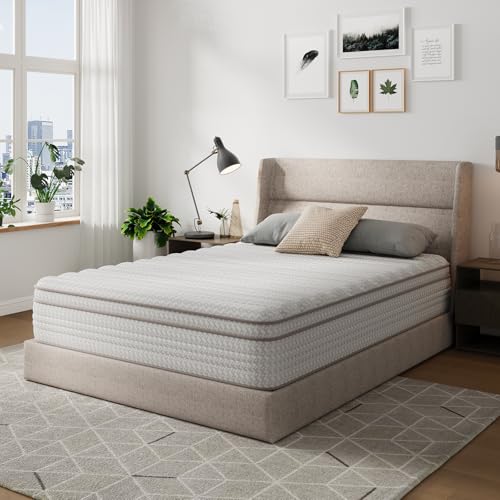
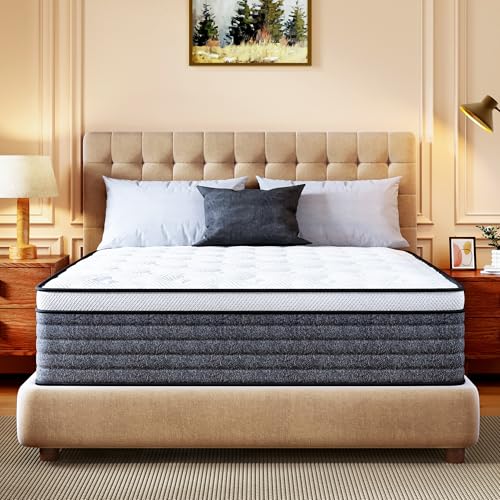
A hybrid mattress combines two or more support technologies into a single sleep surface. In most modern hybrids, the foundation is a pocketed coil system that responds independently to pressure, while the upper layers use memory foam, latex, or polyfoam to cushion and contour. The result is a mattress that offers the bounce and airflow of an innerspring design alongside the pressure relief typically associated with foam beds.
This category has grown quickly because it addresses a common complaint: pure foam mattresses can feel warm and slow to respond, while traditional innerspring mattresses may lack contouring comfort. Hybrids attempt to balance both worlds. If you are still comparing broad categories, our overview of mattress types and buying considerations can help you place hybrids alongside memory foam, latex, and innerspring options.
The Anatomy of a Hybrid Mattress
Most hybrid mattresses share a layered construction. The exact materials and thicknesses vary by model and tier, but the general structure is consistent.
Comfort Layer
The top layer uses memory foam, gel-infused foam, latex, or a blend. This layer determines initial softness and contouring. Premium models often use higher-density foams that resist sagging over time.
Transition Layer
A firmer foam layer beneath the comfort surface prevents you from sinking too deeply and helps distribute weight evenly across the coil system below.
Coil Support Core
Pocketed coils move independently, providing localized support and reducing motion transfer. Coil gauge and count affect durability and responsiveness; heavier gauges feel firmer.
Some hybrids add a base foam layer beneath the coils for stability, and many include reinforced edge support. Edge support is especially important if you sit on the edge of the bed or sleep near the perimeter. Models in the premium and luxury tiers typically invest more in edge reinforcement and higher coil counts.
How Hybrid Mattresses Work
The coil core does most of the heavy lifting. Because pocketed coils compress independently, they adapt to the shape of your body and isolate movement. The foam layers above translate that support into comfort by filling gaps around the shoulders, hips, and lower back. This combination is why hybrids are often recommended for couples, combination sleepers, and people who want both bounce and pressure relief.
Airflow is another practical advantage. The spaces between coils allow heat and humidity to move away from the sleep surface more readily than in a solid foam block. If you tend to sleep warm, a hybrid with a breathable cover and gel-infused comfort foam can be a meaningful upgrade. Our guide to cooling mattresses covers additional strategies for temperature regulation.
Hybrid vs. Other Mattress Types
The table below summarizes how hybrids compare with common alternatives. Use the tier descriptors to understand relative market positioning rather than absolute figures.
| Mattress Type | Support Feel | Motion Isolation | Airflow | Best For | Typical Market Tier |
|---|---|---|---|---|---|
| Hybrid | Bounce with contouring | Good to excellent | Very good | Couples, combination sleepers, warm sleepers | mid-range to luxury |
| Memory Foam | Slow contouring, sink-in | Excellent | Limited | Side sleepers, pressure relief seekers | entry-level to premium |
| Innerspring | Firm, traditional bounce | Fair | Excellent | Back and stomach sleepers, heavy sleepers | entry-level to mid-range |
| Latex | Responsive, buoyant | Good | Good | Eco-conscious buyers, durable support seekers | premium to luxury |
Who Should Choose a Hybrid Mattress?
Hybrids are versatile, but they are not the right fit for everyone. The checklist below helps you decide whether this category aligns with your priorities.
- Couples: Pocketed coils limit motion transfer, so a partner's movement is less disruptive. Many hybrids also offer strong edge support for shared beds.
- Combination sleepers: The responsive coil core makes it easier to change positions without feeling stuck in a foam trough.
- Warm sleepers: Better airflow through the coil layer helps dissipate heat compared with dense all-foam designs.
- People with back pain: A supportive hybrid can maintain spinal alignment, but firmness matters. Medium-firm hybrids are a common starting point; see our mattress buying guide for more on matching firmness to sleep position.
- Heavy sleepers: Durable coil systems and higher-density foams in premium hybrids can offer better long-term support. Compare heavy-duty bed options if you need a stronger foundation as well.
Hybrids may be less suitable if you prefer the deep, slow sink of a traditional memory foam bed or if you are shopping at the entry-level tier, where simplified hybrids may lack the edge support and coil quality of mid-range and premium models.
Firmness, Comfort, and Sleep Position
Firmness is subjective, but most hybrids are sold in soft, medium, medium-firm, and firm options. Side sleepers generally benefit from a softer comfort layer that cushions the shoulders and hips. Back sleepers often prefer medium to medium-firm support to keep the lower back neutral. Stomach sleepers typically need firmer support to prevent the hips from sinking. Combination sleepers usually do well with medium or medium-firm hybrids because the coil core responds quickly during position changes.
If you are unsure, look for a model with a trial period and a clear firmness description rather than relying on marketing labels alone. Our guide to firm mattresses explains how firmness interacts with body weight and sleep position.
Materials and Construction to Compare
Coil Systems
Pocketed coils are the standard in quality hybrids. The coil count, gauge, and arrangement affect support and durability. Higher coil counts generally improve contouring and motion isolation, while heavier gauge coils create a firmer feel. Reinforced perimeter coils improve edge support, which is a common weak point in lower-tier hybrids.
Comfort Foams
Memory foam offers slow contouring and strong pressure relief. Gel-infused foam is used to address heat buildup. Latex provides a bouncier, more responsive comfort layer. Higher-density foams are more durable and less prone to sagging, which is why premium hybrids often last longer than simplified designs.
Covers and Breathability
A breathable cover can meaningfully improve temperature regulation. Look for knit or performance-fabric covers that promote airflow. Some models add phase-change materials or cooling gel, though the effect varies by design.
Hybrid Mattress Shopping Checklist
Before you buy, compare models against the following criteria. This approach keeps the decision grounded in construction and suitability rather than marketing claims.
- Sleep position match: Confirm the firmness aligns with how you actually sleep, not just how the mattress feels in a showroom.
- Coil quality: Prefer pocketed coils with reinforced edges for couples and edge-sitters.
- Foam density: Higher-density comfort foams resist sagging. Ask about foam density if it is not published.
- Motion isolation: If you share a bed, look for independent coil systems and reviews that mention partner disturbance.
- Edge support: Important if you sit on the bed edge or use the full surface area.
- Trial and warranty: A trial period reduces risk; warranty length and coverage terms indicate expected durability.
- Foundation compatibility: Check whether the mattress requires a box spring or works with an adjustable base. Our adjustable bed frame guide covers compatibility basics.
Understanding Hybrid Mattress Tiers
Hybrid mattresses span a wide range of market positions. Rather than focusing on figures, use these tier descriptors to set expectations. Entry-level hybrids typically use simpler coil systems and thinner foam layers. Mid-range models add better edge support, higher coil counts, and more durable foams. Premium and luxury hybrids invest in advanced coil designs, higher-density comfort layers, and refined covers. The descriptor system below is consistent throughout this guide.
- Entry-level: Basic hybrid construction; suitable for guest rooms and lighter use.
- Mid-range: Balanced coil and foam quality; a common choice for primary bedrooms.
- Premium: Improved durability, motion isolation, and edge support.
- Luxury: Top-tier materials and construction for long-term daily use.
Caring for Your Hybrid Mattress
A hybrid can last many years with basic care. Rotate the mattress according to the manufacturer's guidance, use a breathable protector, and keep the foundation supportive and clean. Avoid bending or folding the mattress, which can damage the coil system. If you notice sagging or persistent discomfort, review our guide on when to replace a mattress.
Frequently Asked Questions
Are hybrid mattresses good for side sleepers?
Yes, many hybrids work well for side sleepers, especially softer or medium models with a contouring comfort layer. The coil core provides support while the foam relieves pressure at the shoulders and hips.
Do hybrid mattresses sleep cooler than memory foam?
Generally, yes. The coil layer allows more airflow than a solid foam core. However, the comfort foam and cover still influence temperature, so choose a breathable cover and gel-infused foam if overheating is a concern.
How long do hybrid mattresses last?
Durability depends on foam density, coil quality, and body weight. Mid-range and premium hybrids typically outlast entry-level models. Following care instructions and using a supportive foundation extends useful life.
Can I use a hybrid mattress on an adjustable base?
Many hybrids are compatible with adjustable bases, but confirm with the manufacturer. Some coil systems are designed to flex; others are not. Check the warranty terms before pairing with an adjustable base.
Is a hybrid mattress good for couples?
Often yes. Pocketed coils reduce motion transfer and reinforced edges improve usable sleep surface. Couples with different firmness preferences may also consider dual-firmness hybrid options.
Ready to Compare Hybrid Mattresses?
Review the recommended models below, compare construction details, and choose the hybrid that matches your sleep style.
View Recommended Hybrids