How to Clean a Mattress
Restore freshness, remove stains, and eliminate allergens with our complete mattress cleaning guide. Enjoy healthier, more restful sleep.
START CLEANING →Why clean your mattress? Over time, mattresses accumulate dust mites, dead skin cells, sweat, and stains. Regular cleaning improves sleep hygiene, reduces allergies, and extends the life of your mattress. A clean bed is the foundation of a good night’s rest.
Step-by-Step Mattress Cleaning Guide
Follow these simple steps to thoroughly clean your mattress, whether you're dealing with a fresh spill or deep-seated dust.
1. Strip the Bed & Wash Bedding
Remove all sheets, pillowcases, mattress protectors, and toppers. Wash them in hot water (at least 130°F) to kill dust mites and bacteria. This is the first step to a truly clean sleep environment. For best results, use a hypoallergenic detergent.
2. Vacuum Thoroughly
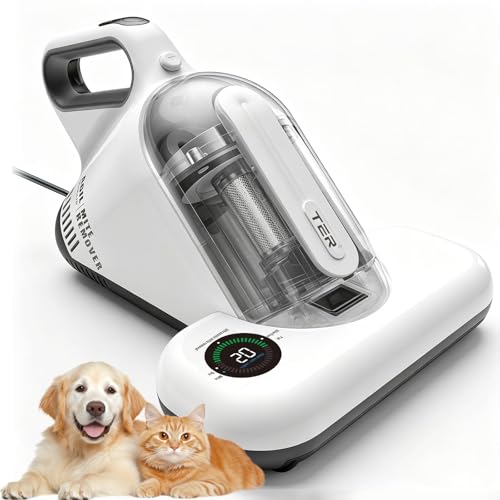
Use the upholstery attachment on your vacuum cleaner to go over the entire mattress surface. Pay special attention to seams, edges, and tufts where dust and debris collect. Vacuuming removes surface dust, dust mites, and pet dander. For deeper cleaning, consider using a vacuum with a HEPA filter.
3. Spot Treat Stains
Mix a solution of mild dish soap and warm water. Dip a clean cloth into the solution, wring it out well, and gently blot (don't rub) the stain. For tougher stains, make a paste with baking soda and water, apply it to the stain, and let it sit for 30 minutes before blotting. Never saturate the mattress, as excess moisture can lead to mold.
4. Deodorize with Baking Soda
Generously sprinkle baking soda over the entire mattress. Let it sit for at least 8 hours (overnight is best) to absorb odors and moisture. Baking soda neutralizes acidic odors and helps lift any remaining moisture from stain treatments.
5. Vacuum Again & Air Out
Vacuum the mattress thoroughly to remove all baking soda residue. If possible, place the mattress in a well-ventilated area or near an open window to air out for a few hours. Sunlight is a natural disinfectant, but avoid prolonged direct exposure as it can damage some materials.
6. Protect with a Mattress Protector
Once clean, cover your mattress with a waterproof or water-resistant mattress protector. This barrier prevents future stains, spills, and dust mites from penetrating the mattress. A good protector is washable and will save you from deep cleaning as often.
Pro Tips for Deep Cleaning
- For urine or blood stains: Use an enzymatic cleaner specifically designed for biological stains. Follow the product's instructions carefully.
- To kill dust mites: Steam cleaning with a handheld steamer can kill dust mites and their eggs. Ensure the mattress dries completely to prevent mold.
- Rotate or flip: After cleaning, consider rotating or flipping your mattress (if it's double-sided) to ensure even wear.
- Maintain regularly: Vacuum your mattress every 2-3 months and change your sheets weekly to keep allergens at bay.
When to Replace Your Mattress
Even with regular cleaning, every mattress has a lifespan. On average, most mattresses last 7-10 years. If you experience back pain, allergies, or restless sleep, it might be time for a new mattress. Check our mattress buying guide to find the perfect replacement.
For those with chronic back issues, a supportive mattress can make a world of difference. Explore our guide for back pain relief to choose the best mattress for your needs.
Mattress Cleaning & Sleep Hygiene
A clean mattress is a pillar of good sleep hygiene. Dust mites, mold, and allergens can trigger nighttime allergies and disrupt your sleep cycle. By regularly cleaning your mattress, you're not only extending its life but also improving your overall sleep quality. Complement your clean mattress with effective bedtime routines and a well-designed bedroom setup for the ultimate restful environment.
Essential Cleaning Tools
- Vacuum with upholstery attachment – removes dust and debris.
- Baking soda – natural deodorizer and stain lifter.
- Mild dish soap – safe for spot cleaning most stains.
- White vinegar – mixed with water (1:1) for odor removal.
- Enzymatic cleaner – for biological stains (urine, blood).
- Steam cleaner (optional) – for deep sanitizing.
Common Mattress Cleaning Mistakes
- Over-wetting: Saturating the mattress can lead to mold growth. Always use minimal moisture.
- Using harsh chemicals: Strong cleaners can damage mattress fibers and leave toxic residues.
- Skipping the vacuum: Vacuuming is essential before and after cleaning to remove particles.
- Not letting it dry: Always allow the mattress to dry completely before putting sheets back on.
- Rubbing stains: Blot stains to avoid spreading them deeper into the fabric.
Ready for a Fresh Start?
Use our guide to clean your mattress today and enjoy a healthier, more comfortable sleep. For more sleep tips, explore our expert buying guides.