Mattress Pads: The Ultimate Guide to Comfort & Protection
Enhance your bed’s comfort, protect your mattress, and improve your sleep quality with the right mattress pad.
Your mattress is a significant investment. A mattress pad acts as a protective layer that not only extends the life of your mattress but also adds an extra level of comfort. Whether you're looking to soften a firm mattress, add temperature regulation, or simply keep your bed clean, this guide will help you find the perfect pad for your needs.
What Is a Mattress Pad and Why Do You Need One?
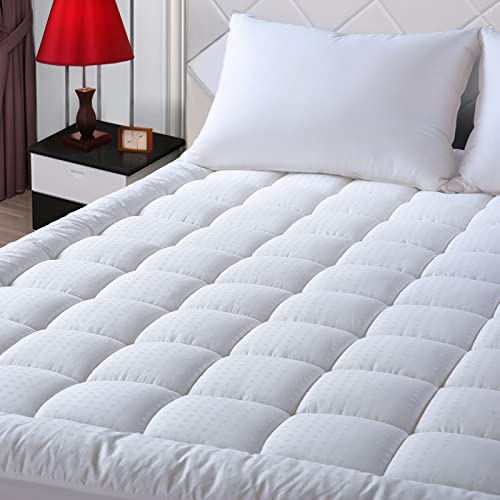
A mattress pad is a thin, quilted layer of fabric that sits directly on top of your mattress, usually secured by elastic corner straps or a fitted skirt. Unlike a mattress topper which is thicker and primarily for comfort, a mattress pad focuses on protection while still providing a modest comfort boost. It's an essential accessory for anyone who wants to keep their mattress in pristine condition.
Here are the primary benefits of using a mattress pad:
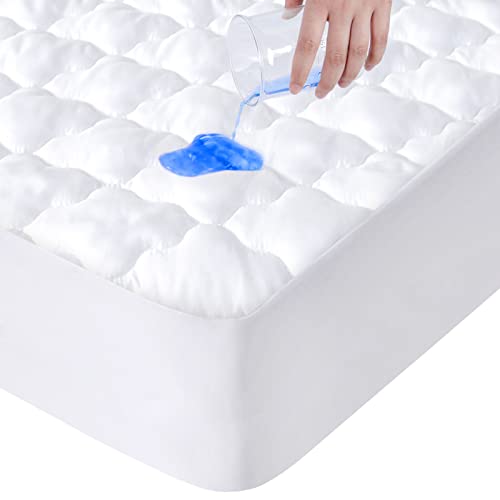
- Protection: Shields your mattress from spills, stains, dust mites, and allergens, which is crucial for maintaining hygiene and warranty validity. Consider using a mattress protector for ultimate liquid protection, but a pad offers a great balance of protection and comfort.
- Comfort Enhancement: Adds a plush, quilted surface that can soften a mattress that is too firm.
- Temperature Regulation: Many pads come with cooling technologies or breathable materials to help you sleep cooler.
- Prolonged Mattress Life: By acting as a barrier against sweat, oils, and wear, it helps your mattress last longer.
In essence, a mattress pad is a wise, low-cost investment to safeguard your bed and improve your nightly rest.
Types of Mattress Pads: Which One Is Right for You?
Mattress pads come in various materials and constructions. Choosing the right one depends on your specific needs, such as comfort preference, allergies, and whether you sleep hot or cold.
1. Cotton & Polyester-Blend Pads
These are the most common and affordable options. They are lightweight, breathable, and easy to care for. A cotton blend pad offers basic protection and a soft sleeping surface. They are ideal for those who want a simple, low-maintenance solution.
2. Wool Mattress Pads
Wool is a fantastic natural temperature regulator. It wicks away moisture, keeping you warm in winter and cool in summer. Wool pads are naturally hypoallergenic and resistant to dust mites, making them an excellent choice for allergy sufferers. They are often more expensive but offer superior comfort and durability.
3. Cooling Gel-Infused Pads
If you tend to sleep hot, a cooling mattress pad infused with gel or featuring breathable fibers is a game-changer. These pads are designed to draw heat away from your body. For a complete cooling solution, you might also explore cooling mattresses, but a cooling pad is a cost-effective upgrade for your current bed.
4. Featherbed Pads
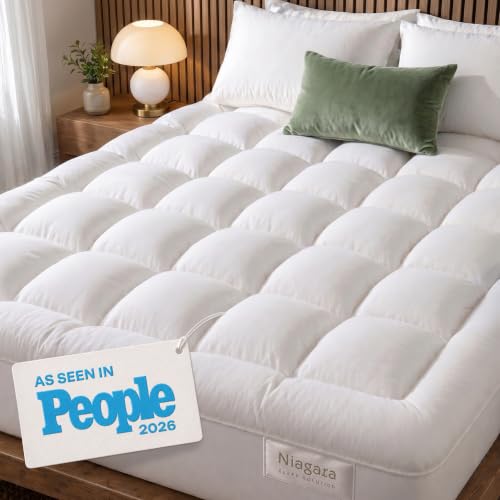
For those seeking luxurious softness, a feather bed or pad provides a plush, cloud-like feel. It’s filled with down or a down-alternative and adds significant cushioning. This is an excellent choice for side sleepers who need extra pressure point relief.
5. Hypoallergenic & Organic Pads
Made from natural materials like organic cotton or bamboo, these pads are free from harsh chemicals and are gentle on sensitive skin. They are perfect for families, children's beds (see our kids beds guide for more ideas), or anyone prioritizing a chemical-free sleep environment.
How to Choose the Best Mattress Pad: A Step-by-Step Guide
Selecting the right mattress pad is simpler than you think. Follow these steps to make an informed decision:
- Measure Your Mattress: Mattress pads come in standard sizes like Twin, Full, Queen, and King. Ensure you get the correct size for a snug fit. If you have a deeper mattress (over 14 inches), look for a pad with deep-pocket or extra-long corner straps.
- Consider Your Comfort Goal: Do you want to soften a firm mattress? If so, choose a thicker pad or a featherbed. Are you looking for minimal protection? A basic cotton or polyester pad will suffice. For enhanced pressure relief, especially for different sleeping styles (see side sleeper guide or back sleeper guide), a plush pad can make a significant difference.
- Evaluate Fill & Material: For cooling, choose gel-infused or wool. For luxury, go with a featherbed. For everyday protection, cotton-polyester blends are a great choice. Be sure to check the care instructions—some pads are machine washable, which is a huge plus for easy maintenance.
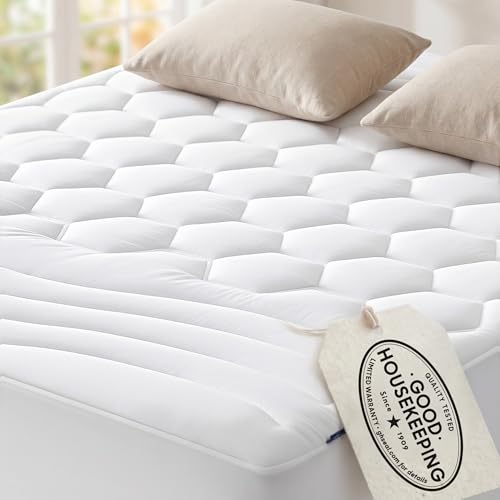
- Check the Construction: Look for a pad with a quilted design to prevent the fill from shifting. Durable edge stitching and strong elastic straps or a fitted skirt are indicators of a quality product that will stay in place.
- Review Your Budget: Mattress pads are available across a wide price range. Basic models start around $30, while premium wool or featherbed pads can cost over $150. The price often reflects the quality and durability of the material.
By following these steps, you can confidently choose a mattress pad that meets your comfort and protection needs.
How to Care for Your Mattress Pad
Proper care will extend the life of your mattress pad and ensure it continues to protect your mattress effectively. Here are simple tips:
- Wash Regularly: Most mattress pads are machine washable. Wash them every 1-2 months in warm water with a mild detergent. Avoid using bleach or fabric softeners, as they can break down the fibers.
- Dry Thoroughly: Tumble dry on low heat. Over-drying can damage the fill, so remove it promptly once dry. Air drying is a great alternative if you have the space.
- Spot Clean: For minor spills, spot clean with a gentle soap and water solution. Avoid soaking the pad, as excess moisture can lead to mildew.
- Rotate Occasionally: If your pad is thick or has a specific fill, rotating it when you change your sheets can help prevent uneven wear.
Following these simple steps will keep your mattress pad fresh, clean, and functional for years to come.
Mattress Pad Price Guide (2026)
Understanding the cost of mattress pads can help you set a realistic budget. Prices vary widely based on material, brand, and features. Below is a general guide based on a standard Queen size:
- Basic Cotton/Polyester: $30 – $60
- Wool & Natural Fibers: $80 – $200
- Cooling Gel-Infused: $50 – $120
- Featherbeds / Down-Alternative: $70 – $150
- Premium Organic / Hypoallergenic: $100 – $250
Price Note: These are estimated retail prices for a Queen-size mattress pad. Prices can vary based on sales, brand, and quality. Investing in a high-quality pad is a cost-effective way to enhance your sleep experience without replacing your entire mattress. For a more complete guide on the bedding ecosystem, see our bedding & linens section.
Final Thoughts: Elevate Your Sleep with the Right Mattress Pad
A mattress pad is a small addition that makes a big impact on your sleep quality and mattress longevity. Whether you're seeking protection, comfort, or temperature regulation, there's a perfect pad for you. By assessing your needs and following the guidance in this article, you can make a choice that will lead to more restful nights and a healthier sleep environment.
Explore the recommended products below to find a high-quality mattress pad that fits your budget and preferences. Your journey to a better night's sleep starts with the right foundation.