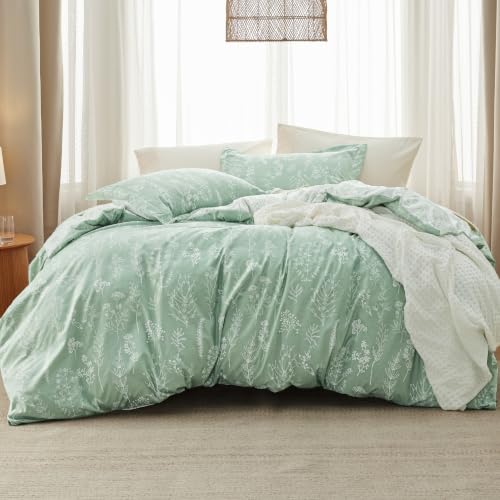
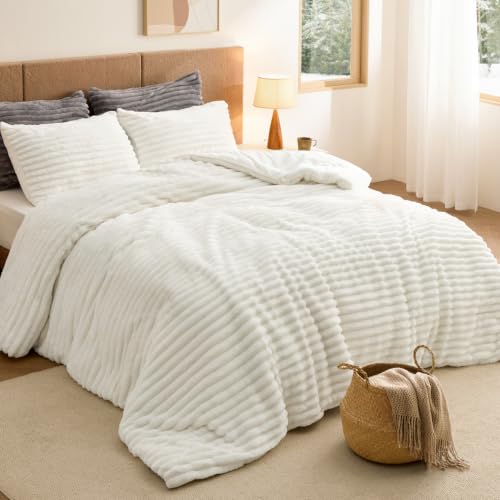
Comforters Buying Guide: Layer Your Bed for Better Sleep
A comforter is more than a blanket — it is the top layer that regulates warmth, adds visual polish, and shapes how your bed feels every night. This guide explains fill types, warmth ratings, shell materials, sizing, and care so you can choose with confidence.
EXPLORE COMFORTER OPTIONSStart with your sleep climate, not the label. The right comforter depends on your bedroom temperature, your sleep position, whether you share the bed, and how you layer your bedding. Use the sections below as a decision framework: match warmth to season, choose a fill that suits your sensitivities, confirm the size against your duvet cover, and plan for realistic care.
What Makes a Comforter Different
A comforter is a quilted, filled bed covering designed to sit directly on top of you or over a top sheet. Unlike a duvet, which usually requires a removable cover, most comforters are used as a standalone layer with a sewn-through or baffle-box quilt pattern that keeps the fill evenly distributed. That construction makes them convenient, but it also means the shell fabric and stitching quality directly affect durability and warmth consistency.
Comforters pair naturally with other bedding layers. If you are still building your bed setup, our guides on cotton bedspreads and comforters and cotton bedspread sets explain how quilted covers fit alongside sheets, shams, and throws. For a more decorative layer, a chenille bedspread in a vintage style can sit over a lightweight comforter in cooler months without adding heavy bulk.
Comforter Fill Types Explained
Fill determines warmth-to-weight ratio, breathability, loft recovery, and how the comforter feels against the body. The four broad categories below cover most of the market. Instead of shopping by number, shop by tier: entry-level, mid-range, premium, and luxury describe relative construction and material quality in this category.
Down Fill
Natural down clusters deliver the highest warmth-to-weight ratio and excellent loft recovery. Look for responsible sourcing and a high fill-power rating for a lighter, fluffier feel. Best for sleepers who want warmth without weight and do not mind careful cleaning.
Down Alternative
Synthetic clusters mimic down loft at a lower tier while remaining suitable for allergy-sensitive sleepers. Quality varies widely: mid-range and premium versions use finer fibers for better drape and less clumping than entry-level fills.
Wool Fill
Wool regulates temperature and absorbs moisture, making it a strong choice for sleepers who run hot and cold. It is heavier than down and requires thoughtful care, but premium wool comforters are durable and naturally odor-resistant.
Cotton & Blended Fill
Quilted cotton comforters are breathable, machine-friendly, and well suited to warm rooms. They offer less loft than down or alternative fills, so they work best as a summer layer or as a lightweight all-season option in mild climates.
Match Warmth to Your Sleep Environment
Warmth ratings are usually described as lightweight, mid-weight, all-season, and extra-warm. These labels are relative to each brand, so treat them as starting points and adjust for your room temperature, bedding layers, and whether you sleep alone or share the bed.
Lightweight / Summer
Best for warm bedrooms, hot sleepers, and layered summer setups. Often paired with breathable cotton sheets and a light quilt.
Mid-Weight / All-Season
The most versatile tier. Works year-round in climate-controlled rooms and adapts well when you add or remove a throw blanket.
Extra-Warm / Winter
Designed for cold rooms and sleepers who feel the chill. Higher loft and denser fill trap more warmth, but can feel heavy for hot sleepers.
If you sleep with a partner who runs warmer or cooler than you, an all-season comforter plus a comfortable bed setup with breathable sheets is often more practical than buying two separate comforters. For rooms that change temperature overnight, a mid-weight comforter with a removable throw gives you more control than a single heavy layer.
Shell Fabrics and Quilt Construction
The shell is the fabric you touch and the structure that holds the fill in place. Common options include cotton percale, sateen, microfiber, linen blends, and chenille. Percale feels crisp and breathable; sateen is smoother and slightly warmer; microfiber is durable and easy to clean; linen blends offer texture and airflow; chenille adds softness and visual depth.
Quilt construction matters just as much. Sewn-through stitching is common in entry-level and mid-range comforters and keeps fill from shifting, but it can create cold spots along stitch lines. Baffle-box construction — found more often in premium and luxury comforters — uses fabric walls between compartments so the fill can loft fully and warmth stays consistent across the surface.
Color and pattern affect how the comforter works with the rest of the room. Neutral tones layer easily, while a chocolate brown and blue bedspread or a coastal bedspread and quilt palette can anchor a seasonal bedroom look. If you change bedding seasonally, consider a Christmas bedspread set or a Christmas twin bedspread as a decorative top layer over a plain comforter.
Sizing: Match the Comforter to the Bed
Comforter dimensions should cover the mattress plus enough overhang to drape naturally. If the comforter is too small, it will look skimpy and leave shoulders exposed; if it is too large, it will pool on the floor and may not fit a duvet cover. Always compare the comforter's finished measurements against your mattress dimensions and your preferred drape.
| Bed Size | Typical Comforter Width | Best For | Sizing Note |
|---|---|---|---|
| Twin / Twin XL | Approx. 66–68 in | Kids' rooms, dorm beds, guest rooms | Check length carefully; Twin XL needs extra length |
| Full / Double | Approx. 78–86 in | Solo sleepers, smaller primary bedrooms | Choose a wider cut if you want more drape |
| Queen | Approx. 86–90 in | Couples in standard bedrooms | Most versatile size for shared beds |
| King | Approx. 102–108 in | Large beds, couples who want full coverage | Confirm overhang on both sides before buying |
| California King | Approx. 102–106 in | Longer mattresses | Length matters more than width here |
If you are outfitting a smaller room, our guides to comfortable beds for small spaces and comfortable space-saving beds explain how bedding scale affects the look of compact bedrooms. For children's rooms, a children's bed or children's bed with mattress is often paired with a twin comforter for easier washing and replacement.
Care and Longevity
Always follow the care label, because fill type determines whether a comforter can be machine washed. Down and wool comforters often require professional cleaning or a gentle front-load cycle with low heat and dryer balls to restore loft. Down alternative and cotton comforters are usually more forgiving and can be machine washed on a gentle cycle, though frequent washing shortens lifespan.
- Use a duvet cover or top sheet: Reduces how often the comforter itself needs washing.
- Shake and air regularly: Restores loft and helps fill redistribute after use.
- Dry thoroughly: Damp fill clumps and can develop odor; use low heat with dryer balls.
- Rotate seasons: Store off-season comforters in breathable cotton bags, not vacuum-sealed plastic.
Allergies, Sensitivities, and Materials
If you are sensitive to dust mites or animal fibers, down alternative and cotton fills are generally easier to manage because they can be washed more frequently at higher temperatures. Look for tightly woven shells that resist dust penetration and confirm the care label allows hot-water washing if allergen control is a priority. Wool is naturally resistant to dust mites and odors but should be cleaned according to manufacturer guidance to avoid felting.
Layering a Comforter with Other Bedding
A well-layered bed uses a fitted sheet, a top sheet or quilt, the comforter, and optional decorative layers. In warmer months, a lightweight cotton comforter can replace a duvet entirely; in colder months, a mid-weight comforter plus a throw or a cotton quilted bedspread in queen size adds warmth without a heavy second comforter. For a more tailored look, a cotton matelassé bedspread in king size can sit beneath a folded comforter at the foot of the bed.
Sheet choice affects how the comforter feels. Breathable cotton bedsheets for a king-size bed or a cotton bedsheet in queen size reduce overheating under a mid-weight comforter. If you prefer a softer, warmer surface, a cotton velvet quilted bedspread layered over a lightweight comforter adds texture and insulation in winter.
For seasonal styling, a chenille bedspread in king size or a chenille bedspread in king size can serve as a decorative top layer in guest rooms. If you change color schemes, a cotton bedspread in California king or a cotton quilted bedspread in king size keeps the look cohesive without replacing the comforter itself.
Frequently Asked Questions
Choose a comforter if you want a single, ready-to-use layer that does not require a cover. Choose a duvet if you prefer to change covers for style and washing frequency. Many sleepers use a lightweight comforter in summer and a duvet with a cover in winter.
Match the warmth label to your bedroom temperature and sleep style. All-season comforters are the most versatile for climate-controlled rooms. Hot sleepers should lean toward lightweight or breathable fills; cold sleepers can add a throw or choose a winter-weight comforter.
It depends on the fill and shell. Down alternative and cotton comforters are often machine washable on a gentle cycle. Down and wool comforters may require professional cleaning or very careful low-heat drying. Always check the care label first.
With regular care, a well-made comforter can last several years. Replace it when the fill clumps permanently, the shell tears beyond repair, or it no longer provides even warmth. Using a top sheet or duvet cover extends lifespan significantly.
Ready to Choose Your Comforter?
Use the guide above to narrow your shortlist by fill type, warmth, size, and care routine. Then explore recommended comforters that match your bedroom setup.
VIEW COMFORTER OPTIONS