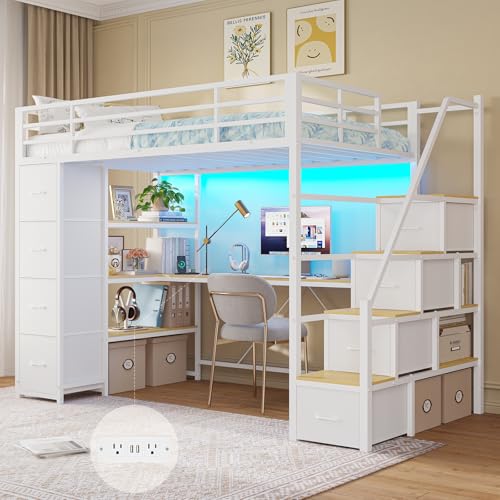
Loft Beds: Maximize Space with Style
Discover the ultimate guide to loft beds — from space-saving designs for kids to stylish adult loft beds with desks. Learn types, sizes, safety tips, and how to choose the perfect one for your home.
SHOP TOP LOFT BEDS →Why Choose a Loft Bed? Whether you're furnishing a kid's room, a college dorm, or a compact city apartment, loft beds unlock valuable floor space. They're not just for sleeping — they create room for study areas, play zones, or extra storage. This guide covers everything you need to make a smart, stylish choice.
What Is a Loft Bed?
A loft bed is a raised bed frame that elevates the sleeping surface, creating usable space underneath. Unlike bunk beds, which have a lower bed, loft beds free up the entire area below for other functions. They're an excellent solution for small bedrooms, shared rooms, or studio apartments.
Modern loft beds come in various materials — from solid wood to sturdy metal — and are available in sizes ranging from twin to full and even queen for adult use. Many include built-in features like desks, shelves, or drawers, making them a versatile choice for modern living.
Benefits of Loft Beds
🪜 Space Efficiency
Maximize vertical space. The area below can become a workstation, play area, or extra storage — perfect for small rooms and apartments.
🧠 Multi-Functionality
Many loft beds include integrated desks, shelves, or drawers, turning a single piece of furniture into a complete room solution.
💲 Cost-Effective
Combining bed and furniture reduces the need to buy separate pieces, saving money and floor space simultaneously.
🎨 Style & Personalization
From sleek industrial metal to warm wooden designs, loft beds add a focal point to any room and can be customized with decor and lighting.
Types of Loft Beds
Choosing the right loft bed depends on who will use it and how the space below will be utilized. Here are the most popular types:
1. Study Loft Beds (with Desk)
A study loft bed incorporates a desk or workspace underneath, making it ideal for students, remote workers, or creative spaces. These are available in twin and full sizes, often with shelves for books and supplies. They're a smart choice for kids' rooms and dormitories.
2. Low Loft Beds
Low loft beds are shorter in height, typically around 40–50 inches off the floor. They're perfect for younger children, as they're easier to climb and have a lower center of gravity. The space below can be used for play, seating, or storage.
3. High Loft Beds
High loft beds elevate the sleeping area up to 6 feet or more, maximizing the usable floor area below. These are often used in studio apartments or multi-purpose rooms to create a sleeping nook above a living or dining space.
4. Loft Beds with Storage
Integrated storage options include drawers, shelves, or even wardrobes built into the structure. This type is excellent for keeping a room clutter-free and is available in both wooden and metal frame options.
5. Adult Loft Beds (Queen/Full)
For adults, loft beds come in larger sizes like full and queen. These are ideal for city apartments, guest rooms, or multi-functional studio spaces. They often feature more robust construction and sophisticated designs.
Loft Bed Sizes Guide
Loft beds are available in standard mattress sizes. Choose based on the sleeper's age, room size, and intended use.
| Size | Dimensions (Mattress) | Best For |
|---|---|---|
| Twin | 38″ x 75″ | Kids, teens, dorms |
| Twin XL | 38″ x 80″ | Taller teens, college dorms |
| Full | 54″ x 75″ | Teens, adults, guest rooms |
| Queen | 60″ x 80″ | Adult lofts, master suites |
Materials & Construction
The material of your loft bed affects durability, style, and price. The most common options are:
- Solid Wood: Timeless and sturdy. Offers a warm, classic look. Often more expensive but highly durable. Great for wooden bed frames.
- Metal: Sleek, modern, and lightweight. Excellent for industrial or minimalist decor. Usually more affordable and easy to clean. Common in metal bed frames.
- Engineered Wood (MDF/Plywood): Affordable and available in many finishes. Offers decent durability but may not be as long-lasting as solid wood.
- Hybrid (Wood + Metal): Combines the best of both — a metal frame with wooden slats or accents for added strength and style.
Safety First: Important Loft Bed Tips
Safety is paramount, especially for children. Follow these guidelines to ensure your loft bed is used safely:
- Guardrails: Ensure the bed has guardrails on all sides, with a height of at least 5 inches above the mattress.
- Ladder/Stairs: Choose a ladder or stairs that are sturdy and securely attached. Anti-slip treads are a plus.
- Age Recommendation: Most manufacturers recommend loft beds for children aged 6 and older.
- Weight Capacity: Check the weight limit — this includes the mattress, bedding, and the sleeper.
- Ceiling Height: Ensure there's enough clearance between the top of the mattress and the ceiling (ideally at least 30–36 inches).
- Mattress Thickness: Don't exceed the recommended mattress height to keep the guardrails effective.
Loft Beds: Pros & Cons
✅ Advantages
- Maximizes floor space in small rooms
- Multi-functional (desk, storage, seating)
- Great for kids, teens, and adults
- Available in various sizes and styles
- Creates a cozy, elevated sleeping nook
- Can increase property value in rental spaces
❌ Considerations
- May not be suitable for very young children
- Requires adequate ceiling height
- Can feel cramped if room is too small
- Climbing up and down may be inconvenient for some
- Limited mattress thickness options
- Assembly can be complex
How to Choose the Perfect Loft Bed
Here are key factors to consider when shopping for a loft bed:
- Measure Your Space: Ceiling height, floor area, and layout are critical. Don't forget to account for ceiling fans and light fixtures.
- Define the Purpose: Will it be for sleeping only, or does it need a desk, storage, or play area below?
- Choose the Right Size: Twin and full are most common, but queen is available for adult spaces.
- Material & Style: Select a material that matches your room's decor and offers the desired durability.
- Safety Features: Prioritize guardrails, sturdy ladders, and weight capacity.
- Budget: Prices vary widely — from $150 for basic metal frames to $1,500+ for solid wood designs with built-in furniture.
Loft Bed vs Bunk Bed: What's the Difference?
While both are space-savers, bunk beds stack two sleeping surfaces, while loft beds elevate only one, leaving the space below for other uses. Loft beds are more versatile for single sleepers who need a study or storage area, whereas bunk beds are best for sharing a room.
If you're considering other space-saving options, check out our guides on daybeds and murphy beds for alternative solutions.
Styling Your Loft Bed Area
Make the most of your loft bed with smart decorating ideas:
- Under-Bed Lighting: String lights or LED strips add ambiance and functionality to the space below.
- Curtains & Drapes: Hang curtains for privacy and a cozy feel.
- Rugs: Place a rug below to define the space and add warmth.
- Wall Art: Decorate the walls beside or below the loft with wall art.
- Plants: Add indoor plants for a fresh, natural feel.
Best Mattresses for Loft Beds
Because of height restrictions, loft beds often require thinner mattresses — typically 6 to 8 inches thick. Here are the best types:
- Memory Foam – Conforms to the body, minimal motion transfer, available in low-profile options.
- Innerspring – Offers good support and breathability; choose a thinner model.
- Hybrid – Combines foam and coils for balanced support; check thickness.
- Latex – Durable and responsive, but heavier — ensure frame can support it.
For added comfort, consider a mattress topper to enhance softness without exceeding height limits.
Frequently Asked Questions
What is the weight limit for a loft bed?
Most loft beds support between 200–400 lbs, depending on the material and design. Always check the manufacturer's specifications.
Can adults use loft beds?
Absolutely. Adult loft beds are available in full, queen, and even king sizes, with higher weight capacities and robust construction.
How much ceiling height do I need for a loft bed?
At least 8 feet (96 inches) is recommended. Allow at least 30–36 inches of space between the mattress and the ceiling for comfortable sitting and sleeping.
Are loft beds safe for toddlers?
Loft beds are generally not recommended for children under 6 years old. Low loft beds with full guardrails may be suitable for older toddlers, but supervision is essential.
Can I use a regular mattress on a loft bed?
Yes, but be mindful of thickness. Most loft beds recommend a mattress no thicker than 6–8 inches to maintain effective guardrail height.
Ready to Find Your Perfect Loft Bed?
Browse our curated selection of top-rated loft beds for every space and budget.
SHOP LOFT BEDS NOW