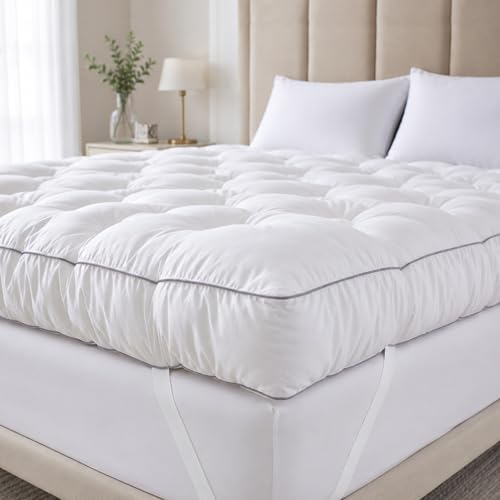
Mattress Toppers: The Smart Way to Upgrade Your Sleep
Before you replace your entire mattress, discover how a well-chosen topper can add comfort, support, and cooling — and learn which type fits your sleep style.
Explore the Buying GuideWhy a mattress topper matters: A mattress topper is one of the most efficient ways to improve sleep quality without changing your bed frame or base mattress. It can soften a firm surface, firm up a sagging one, add cooling airflow, or protect your mattress from wear. The key is matching the topper material and thickness to your sleeping position and comfort needs.
What Is a Mattress Topper and How Does It Work?
A mattress topper is a padded layer placed directly on top of your mattress, usually secured with elastic straps or a fitted skirt. It sits beneath your sheets and adds a distinct comfort layer that changes how your body interacts with the sleep surface. Unlike a mattress pad — which is thin and primarily protective — a topper is thick enough to meaningfully alter firmness, pressure relief, and temperature regulation.
Toppers are popular because they address common mattress problems without the commitment of a full replacement. If your mattress is structurally sound but feels too firm, too soft, or too warm, a topper can adjust those characteristics. For sleepers who are still researching their ideal mattress, our mattress buying guide explains how to evaluate firmness, support, and materials before you decide whether a topper is the right first step.
Types of Mattress Toppers: Materials Compared
Each topper material delivers a different feel and set of benefits. The table below compares the most common options by their comfort profile and ideal use case. Notice that we focus on tier and category rather than numeric figures — the right choice depends on how you sleep, not on a label.
| Topper Type | Feel & Support | Best For | Market Tier |
|---|---|---|---|
| Memory Foam | Contouring, pressure relief, slow response | Side sleepers, joint discomfort, motion isolation | Entry-level to premium |
| Latex | Bouncy, responsive, durable, cooler than foam | Combination sleepers, hot sleepers, long-term use | Mid-range to luxury |
| Polyurethane Foam | Soft, lightweight, quick response | Guest beds, occasional use, light cushioning | Entry-level |
| Hybrid (foam + fiber) | Balanced cushioning with airflow | Sleepers who want softness without heat buildup | Mid-range |
| Fiber / Down Alternative | Plush, airy, less contouring | Back sleepers, those who prefer a traditional pillow-top feel | Essential to mid-tier |
| Gel-Infused Foam | Cooling gel beads, contouring support | Hot sleepers who still want memory foam pressure relief | Mid-range to premium |
How to Choose the Right Mattress Topper
Choosing a topper is about matching three variables: your sleep position, your current mattress firmness, and your temperature preferences. Use the guidance below to narrow your options before you shop.
1. Match the Topper to Your Sleep Position
- Side sleepers: Need pressure relief at the shoulders and hips. A medium-firm memory foam or latex topper in the three-inch range usually works well. If you already own a firm mattress, a softer topper can bridge the gap without losing support.
- Back sleepers: Benefit from a balance of cushioning and spinal alignment. A medium-firm latex or hybrid topper maintains support while adding a gentle comfort layer. Avoid overly soft toppers that let the hips sink.
- Stomach sleepers: Typically need a firmer surface to keep the spine neutral. A thin, firm latex or high-density foam topper is usually the safer choice than a plush memory foam layer.
- Combination sleepers: Move between positions through the night, so responsiveness matters. Latex toppers offer the quick bounce-back that makes position changes easier.
2. Consider Thickness and Firmness
Topper thickness generally ranges from two to four inches. A two-inch topper adds subtle cushioning and is a good starting point for most sleepers. Three-inch toppers provide balanced pressure relief for side sleepers and those with mild discomfort. Four-inch toppers deliver the most plushness and are best for heavier sleepers or those who want to soften a very firm mattress significantly.
Firmness works in tandem with thickness. A thick soft topper can feel overly sinky, while a thin firm topper may not provide enough relief. Look for toppers that clearly state their firmness level — soft, medium, medium-firm, or firm — and read customer feedback about how that firmness feels in practice.
Editorial tip: If your mattress is still under warranty, check the warranty terms before adding a topper. Some manufacturers require the mattress to be used without an aftermarket topper to keep coverage valid. If warranty protection matters to you, review our mattress warranty guide before you buy.
3. Think About Temperature and Airflow
Traditional memory foam can trap heat, which is a common complaint among hot sleepers. Gel-infused foams, open-cell foams, and latex toppers generally sleep cooler because they allow more airflow or distribute heat away from the body. If overheating is your main issue, prioritize breathable materials and consider pairing the topper with a cooling mattress protector or breathable sheets.
4. Check Durability and Care Requirements
Latex and high-density foams tend to hold their shape longer than low-density polyurethane foams. Most toppers are not machine washable, but many come with removable, washable covers. A washable cover extends the life of the topper and makes maintenance easier. For deeper cleaning guidance, see our mattress protectors resource, which explains how protective layers work alongside toppers.
Who Should Consider a Mattress Topper?
A topper is a practical solution in several situations:
- Your mattress is structurally sound but too firm or too soft for your comfort.
- You have a guest bed that needs occasional comfort upgrades.
- You want to extend the usable life of a mattress while you plan a future replacement.
- You need temporary pressure relief during recovery or pregnancy.
- You want to test a firmer or softer feel before committing to a new mattress.
If your mattress has deep sagging, broken springs, or visible structural damage, a topper will not fix the underlying problem. In that case, it is worth reviewing our mattress comparison and mattress guides to evaluate a replacement instead.
How to Maintain and Extend the Life of Your Topper
Proper care keeps a topper supportive and hygienic for longer:
- Rotate the topper every few months to prevent uneven compression.
- Use a washable cover and launder it according to the manufacturer's instructions.
- Air out the topper periodically to reduce moisture buildup.
- Avoid placing heavy objects on the topper for extended periods.
- Spot-clean foam toppers with a mild detergent and allow them to dry completely before use.
For related bedding care, our mattress pads and mattress encasements guide cover protective layers that work well with toppers.
Frequently Asked Questions
How do I know when it's time to replace a mattress topper?
Most mattress toppers should be replaced every two to four years, depending on the material and how often you use it. Signs include visible sagging, flattened areas, persistent indentations, or a noticeable loss of support compared to when the topper was new.
Can a mattress topper help with back pain?
Yes, a mattress topper can help with back pain when it provides targeted support and pressure relief that complements your sleep position. Side sleepers often benefit from a medium-firm memory foam topper, while back and stomach sleepers may prefer a firmer latex or hybrid option. A topper is not a medical solution, and persistent pain should be evaluated by a healthcare professional.
What thickness should a mattress topper be?
Thickness depends on your goals. A two-inch topper adds subtle cushioning and is a good starting point for most sleepers. Three-inch toppers provide balanced pressure relief for side sleepers and those with mild discomfort. Four-inch toppers deliver the most plushness and are best for heavier sleepers or those who want to soften a very firm mattress significantly.