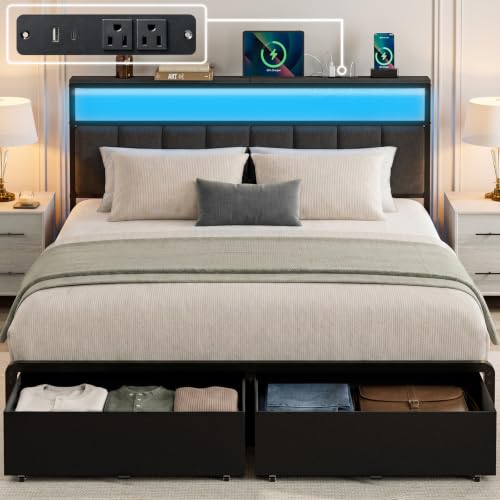
Best Bed Frames: The Complete Buyer's Guide
Your bed frame is the foundation of your entire sleep setup. This research-backed guide breaks down materials, styles, sizes, and support systems so you can choose a frame that lasts and fits your bedroom perfectly.
Explore Top PicksWhy the frame matters: A well-built bed frame does far more than hold your mattress. It determines mattress longevity, noise levels, under-bed storage potential, and the overall visual character of your bedroom. This guide is designed for buyers who already know they need a new frame but want clear, trustworthy information before deciding which type to bring home.
What to Consider Before Buying a Bed Frame
Choosing the best bed frame starts with matching the frame to your mattress, your room, and your sleeping habits. The five factors below matter most, and each one influences the others — so it helps to weigh them together rather than in isolation.
1. Mattress Compatibility
Not every frame works with every mattress. Memory foam and hybrid mattresses generally need a solid or closely slatted support surface, while innerspring mattresses can work with wider slat spacing. If you are still comparing mattresses, our best mattresses guide explains how each type pairs with different support systems. Check the frame's recommended slat gap and weight capacity against your mattress specifications before committing.
2. Material and Build Quality
Metal, wood, and upholstered frames each bring distinct strengths. Metal frames tend to offer the most durable construction for heavy-duty use. Solid wood frames provide warmth and a classic look, while upholstered frames add softness and reduce noise from movement. Regardless of material, look for reinforced joints, center support legs on larger sizes, and a rust-proof finish on metal components.
3. Size and Room Fit
Always measure your room and account for walking space around the bed. A king frame in a small bedroom leaves little clearance, while a full or queen frame often suits compact spaces better. If you are shopping for a specific size, our size-focused guides for full bed sets and beds can help you visualize proportions before you buy.
4. Support System and Noise
Slat spacing, center rails, and leg count determine how well a frame distributes weight. Frames with closely spaced slats and a center support leg tend to minimize sagging and squeaking. Upholstered frames and frames with felt pads on the joints are quieter in households where sleepers move frequently during the night.
5. Under-Bed Storage and Clearance
Low-profile platform frames maximize visual space but leave little room underneath. Frames with 10–14 inches of clearance accommodate storage bins and make cleaning easier. If storage is a priority, look for frames explicitly designed with drawer options or generous clearance.
Types of Bed Frames Explained
Understanding the main frame categories helps you narrow the field quickly. Below is a practical breakdown of the styles most buyers consider, along with the sleeper profile each one suits best.
Platform Bed Frames
Platform frames support the mattress directly on a slatted or solid base, often eliminating the need for a box spring. They suit memory foam and hybrid mattresses particularly well, offer a clean modern silhouette, and are generally the easiest type to assemble. Many platform frames include center support legs on queen and king sizes, which helps prevent sagging over time.
Metal Bed Frames
Metal frames are the workhorses of the category. High-grade steel models with reinforced joints are a long-term investment for heavy sleepers or households that frequently move furniture. They pair well with nearly all mattress types and often include adjustable headboard brackets. Look for a rust-proof finish if you live in a humid climate.
Wooden Bed Frames
Solid wood frames bring warmth and traditional character to a bedroom. Hardwood constructions such as oak or ash offer the most durable build, while engineered wood options sit at a more accessible tier. Wooden frames can creak if joints loosen over time, so check for reinforced corner blocks and center rails on larger sizes.
Upholstered Bed Frames
Upholstered frames wrap the frame in fabric or faux leather, adding softness and often reducing noise. They work well in bedrooms where the bed is also a seating surface during the day. For buyers focused on style, our bedroom decor guide shows how upholstered frames anchor different design themes.
Storage and Adjustable Frames
Storage beds integrate drawers or lift-up mechanisms, making them a smart choice for small rooms. Adjustable bed frames allow the head and foot sections to move independently, which helps with reading, watching television, or managing reflux. These frames sit at a higher tier due to their mechanism complexity, but they offer functionality that standard frames cannot match.
Bed Frame Types Compared
The table below summarizes how each frame type performs across the factors that matter most to buyers. Use it as a quick reference while you research.
| Frame Type | Best For | Durability | Noise Level | Assembly |
|---|---|---|---|---|
| Platform | Foam and hybrid mattresses, modern bedrooms | Mid-range to premium | Low | Easy |
| Metal | Heavy sleepers, long-term use, rentals | High-end tier | Low to moderate | Moderate |
| Wooden | Traditional and rustic decor, warm interiors | Mid-range to premium | Moderate | Moderate |
| Upholstered | Quiet bedrooms, style-focused setups | Mid-tier | Very low | Moderate |
| Storage | Small bedrooms, apartment living | Mid-range | Low | Moderate to complex |
| Adjustable | Reading, health needs, multifunction rooms | Premium to luxury | Low | Complex |
Market Tiers: Finding Your Fit
Bed frames span a wide range of build quality and feature sets. Instead of comparing numbers, use the tier framework below to match a frame's construction and features to your expectations.
Essential Tier
Basic metal or engineered wood frames with straightforward slat support. A solid choice for guest rooms, starter apartments, or buyers who need a dependable frame without extra features.
Balanced Tier
Reinforced joints, center support legs, and better finishes. These frames are well-specified for the category and represent good value for most households looking for a long-term daily-use frame.
High-End Tier
Solid hardwood or high-grade steel construction with refined detailing. These frames offer durable construction and a polished look that holds up to daily use over many years.
Flagship Tier
Upholstered designer frames, adjustable mechanisms, and integrated storage. These are a worthwhile investment for buyers who want their bed frame to be a centerpiece with advanced functionality.
Bed Frame Size Guide
Frame dimensions vary slightly between manufacturers, so always confirm the exact outer measurements before ordering. As a general reference, twin and full frames suit single sleepers and smaller rooms, queen frames remain the most popular choice for couples, and king and California king frames suit larger bedrooms and sleepers who want maximum space. If you are furnishing a guest room or a child's bedroom, our full bed sets guide explains how frame size interacts with bedding and room layout.
Also consider headboard height and footboard depth. A tall headboard can dominate a small room, while a low-profile frame keeps sightlines open. Leave at least 24 inches of walking space on the sides you use most often.
Assembly, Care, and Longevity
Most frames assemble in under an hour with basic tools, though adjustable and storage frames take longer. Follow the manufacturer's torque recommendations for bolts — over-tightening can strip threads and lead to squeaking. Re-tighten all connections after the first month of use, since joints settle under weight.
- Metal frames: Wipe with a dry cloth and check for loose bolts quarterly. Apply a rust-proof spray to scratched areas in humid climates.
- Wooden frames: Dust regularly and use a wood conditioner every few months. Keep the frame away from direct sunlight to prevent fading.
- Upholstered frames: Vacuum fabric surfaces monthly and spot-clean spills immediately. Rotate the mattress regularly to distribute wear.
Properly maintained frames can last a decade or more. If your frame develops persistent squeaks after tightening, add felt pads between the slats and the frame rails.
Frequently Asked Questions
Do I need a box spring with a platform bed frame?
No. Platform frames are designed to support the mattress directly. In fact, adding a box spring to a platform frame can raise the mattress too high and interfere with the frame's support design.
How much weight can a metal bed frame support?
Weight capacity varies by model, but high-grade steel frames with center support legs generally handle the heaviest loads. Always check the manufacturer's stated capacity for your specific size, and confirm that the center rail is included on queen and king frames.
What is the best bed frame for a memory foam mattress?
A platform frame with closely spaced slats or a solid base is ideal. This prevents the foam from sinking between slats and helps the mattress retain its shape. Pair it with our mattress topper guide if you want to fine-tune comfort after the frame is set up.
How do I stop my bed frame from squeaking?
Tighten all bolts and screws first. If the noise persists, add felt pads at the slat-to-frame contact points and check that the center support leg sits firmly on the floor. Upholstered frames are naturally quieter than exposed metal or wood joints.
Can I use an adjustable frame with any mattress?
Most adjustable frames work best with flexible foam or hybrid mattresses. Innerspring mattresses may not bend well with articulated frames. Check both the frame and mattress specifications before pairing them.