Back Sleeper Guide: Best Mattress & Sleep Tips
Discover the ideal mattress firmness, pillows, and sleep positions for back sleepers. Wake up pain-free and well-rested.
SEE RECOMMENDED PRODUCTS →If you sleep on your back, you're in good company. This position is often recommended by doctors and sleep specialists because it promotes healthy spinal alignment, reduces pressure points, and can even minimize wrinkles. However, not all mattresses and pillows are created equal for back sleepers. This guide will walk you through everything you need to know—from firmness levels to pillow loft—so you can build the perfect sleep setup.
Why Back Sleeping Is Beneficial
Sleeping on your back allows your head, neck, and spine to rest in a neutral position. This reduces the risk of back and neck pain, and helps prevent sleep wrinkles and skin irritation. Back sleeping is also one of the best positions for people with acid reflux or snoring issues, as it keeps the airway open and prevents stomach acid from creeping up. However, it's not for everyone—if you're a back sleeper, you need the right support to avoid lower back arching and discomfort.
What Mattress Firmness Is Best for Back Sleepers?
Back sleepers typically need a medium-firm to firm mattress. This provides enough support to keep the spine aligned while offering slight contouring to relieve pressure on the lower back and shoulders. A mattress that's too soft can cause your hips to sink, leading to lower back pain. Conversely, a mattress that's too hard can create pressure points on the shoulders and buttocks. The ideal firmness range is a 6 to 8 on the firmness scale (with 10 being the firmest).
Our Verdict: The medium-firm mattress is the golden standard for back sleepers. It offers the perfect balance of support and comfort, ensuring your spine stays straight while you sleep.
Which Mattress Types Work Best?
Memory Foam
Memory foam provides excellent pressure relief and contouring. For back sleepers, choose a medium-firm memory foam mattress that doesn't let your hips sink too deeply. High-density foam offers better support.
Hybrid Mattresses
Hybrids combine innerspring coils with foam layers. They provide a responsive feel with good support, making them a versatile choice for back sleepers who want both bounce and comfort.
Innerspring
Innerspring mattresses are bouncy and breathable, but support is often less uniform. Look for a firm innerspring with a pillow-top or euro-top to add a layer of comfort.
Latex
Latex is naturally supportive, responsive, and durable. A firm latex mattress provides excellent back support and is a great choice for back sleepers who prefer an eco-friendly option.
The Perfect Pillow for Back Sleepers
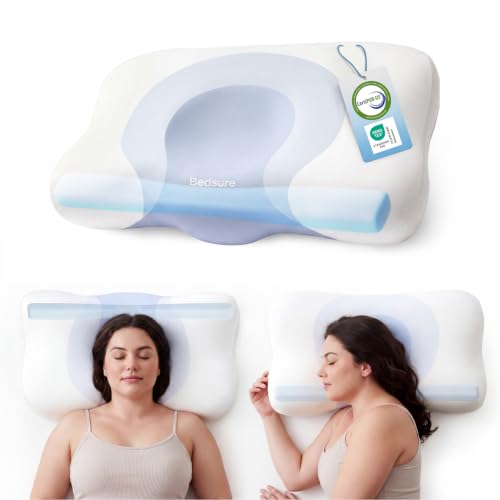
Your pillow is just as important as your mattress. For back sleepers, the ideal pillow should support the natural curve of your neck without tilting your head too far forward or backward. A medium-loft pillow (about 4–6 inches) is usually best, keeping your head and neck aligned with your spine. Options like memory foam pillows or down pillows can work well, depending on your preference for contouring or plushness. If you suffer from snoring, a slightly elevated pillow can help open your airways.
Also consider body pillows if you tend to shift positions. A body pillow can provide extra support and prevent you from rolling onto your side or stomach during the night.
Back Sleeping Positions & Tips
Even among back sleepers, there are variations. Some sleep with their arms at their sides (the "soldier" position), while others raise their arms above their heads (the "starfish" position). Both are fine, but the starfish position can be harder on your shoulders if you don't have enough space. Here are some tips to optimize your back sleeping:
- Place a small pillow under your knees to reduce lower back strain and help maintain the natural curve of your spine.
- Use a contoured cervical pillow to support your neck and prevent head tilt.
- If you snore, try elevating your head with an extra pillow or an adjustable bed frame.
- Avoid sleeping with multiple pillows under your head, which can strain your neck and lead to headaches.
Pro Tip: Combine your perfect mattress and pillow with a mattress topper for an extra layer of customized comfort. A topper can add a softness without sacrificing support.
Common Back Sleeping Issues & Solutions
Even with the best setup, back sleepers can experience issues. Here's how to solve them:
- Lower back pain: Your mattress might be too soft. Consider upgrading to a firm mattress or adding a lumbar support roll.
- Neck pain: Your pillow might be too high or too low. Aim for a medium-loft pillow that keeps your head in a neutral position.
- Snoring or sleep apnea: Try elevating your head or using a white noise machine to encourage deeper breathing. If symptoms persist, consult a doctor.
- Tossing and turning: Your mattress might not be supporting your sleep posture. A hybrid mattress with good motion isolation can help.
How Much Should You Spend?
Investing in a high-quality mattress is crucial for back sleepers. A good mattress can last 7–10 years, so it's worth spending between $800–$2,500 for a queen or king size. On the lower end ($800+), you can find decent memory foam or innerspring options. Mid-range ($1,200–$1,800) offers better durability, materials, and comfort layers. Premium mattresses ($2,500+) often include advanced cooling technology, organic materials, and extended warranties. Remember, your sleep is an investment in your health—don't compromise on support.
For more details, check out our complete mattress buying guide and warranty guide to make an informed decision.
Final Thoughts
Being a back sleeper has many benefits, but only if you have the right sleep setup. A medium-firm to firm mattress, a supportive medium-loft pillow, and proper sleep hygiene can transform your rest. Whether you opt for memory foam, hybrid, or latex, prioritize spinal alignment and pressure relief. Explore our curated product recommendations below to find the best mattress, pillow, and accessories for your back-sleeping lifestyle.
If you're still unsure, take our side sleeper guide or stomach sleeper guide to compare other sleeping styles. Happy sleeping!