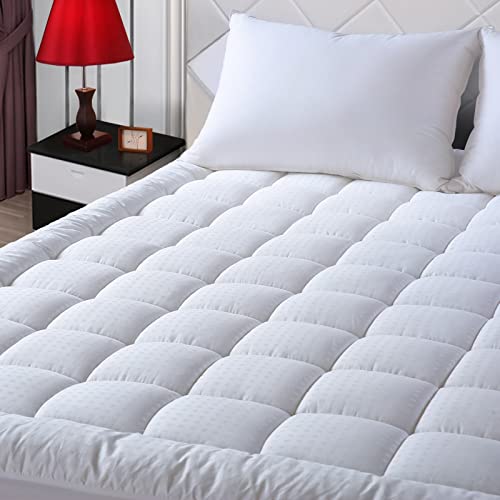
Mattress Protectors: The Invisible Shield for a Cleaner, Longer-Lasting Bed
Your mattress is an investment in sleep quality and daily well-being. A properly chosen mattress protector preserves that investment by deflecting spills, blocking allergens, and reducing everyday wear. This guide breaks down the types, materials, and features that matter so you can choose with confidence.
Explore Recommended OptionsWhy a Mattress Protector Deserves a Place on Your Bed
Most people spend roughly one-third of their lives in bed. Over that time, a mattress absorbs sweat, skin cells, dust mites, and the occasional spill. A protector acts as the first line of defense, keeping the mattress surface clean and extending its useful life. For allergy sufferers, a protector can be a meaningful barrier against dust mites and pet dander, which often settle deep in mattress fibers.
Beyond hygiene, a protector can preserve the feel and structural integrity of your mattress. Spilled liquids can break down foam and weaken stitching over time. By catching moisture at the surface, a protector keeps the core dry and supportive. If you are still selecting your mattress itself, our mattress buying guide covers firmness, materials, and size considerations that pair naturally with protector choices.
Practical note: A protector is not a replacement for regular cleaning. Even with a protector, vacuuming the mattress surface periodically and airing bedding helps maintain a fresher sleep environment.
Mattress Protector vs. Mattress Pad vs. Encasement
These three products are often confused, but they serve distinct roles. Understanding the differences helps you avoid buying the wrong layer for your needs.
- Mattress protector: A thin barrier, often waterproof or water-resistant, designed to block liquids and allergens. It typically fits over the mattress like a fitted sheet.
- Mattress pad: A comfort layer that adds cushioning. Many pads are not waterproof, though some combine comfort and protection. If you want extra softness, explore dedicated mattress pads separately.
- Mattress encasement: A full-coverage zippered cover that encloses the entire mattress, including the sides and bottom. It offers the most complete protection against allergens and bed bugs. See our mattress encasements guide for a deeper comparison.
For many sleepers, a fitted protector is the most practical everyday choice. Those with allergy concerns or a desire for total coverage may prefer an encasement, sometimes paired with a separate washable protector on top.
Types of Mattress Protectors by Construction
Protectors vary widely in how they are built and what they prioritize. The table below summarizes the main categories using neutral tier descriptors to help you compare positioning within the market.
| Type | Tier Positioning | Best For | Key Considerations |
|---|---|---|---|
| Waterproof membrane protector | Essential tier | Households with children, pets, or frequent spills | Look for breathable membranes to avoid heat retention |
| Cotton terry protector | Mid-tier | Sleepers who want a soft surface feel with moderate protection | Often water-resistant rather than fully waterproof |
| Bamboo or Tencel blend protector | Premium | Hot sleepers and those seeking moisture-wicking comfort | Verify waterproof backing quality and wash durability |
| Full mattress encasement | Professional-grade | Allergy and asthma sufferers, pest prevention | Zippered installation is more involved; check breathability |
| Quilted padded protector | Balanced tier | Those wanting light cushioning plus surface protection | May be less breathable; confirm waterproofing claims |
No single type is universally best. The right choice depends on your household, sleep temperature tendencies, and whether your priority leans toward allergy control, spill protection, or added comfort.
Materials and Breathability: What to Look For
The material of a protector affects how it feels, how it wears, and how well it regulates temperature. Common surface materials include cotton, polyester, bamboo viscose, and Tencel blends. Cotton terry is absorbent and familiar against the skin, while bamboo and Tencel are often chosen for their smooth feel and moisture management.
The waterproof layer matters just as much. Polyurethane (PU) membranes are widely used and can be engineered to be breathable. Some entry-level protectors use a solid plastic backing that blocks liquid effectively but can trap heat. If you tend to sleep warm, prioritize protectors explicitly described as breathable or cooling. Pairing a breathable protector with a temperature-friendly mattress makes a noticeable difference; our memory foam mattresses page discusses heat retention in foam beds specifically.
Fit and Installation
A protector only works if it stays in place. Look for deep-pocket designs with elasticized skirts that match your mattress height. If your mattress is unusually deep or you use a topper, measure before buying. Poor fit leads to bunching, which can disturb sleep and reduce protection at the edges.
Care and Washing
Most fabric protectors are machine washable. Check the care label: some waterproof membranes degrade with high heat, so tumble-drying on low or line-drying may be recommended. Having a second protector on hand allows you to rotate them, keeping your bed protected while one is being laundered.
Who Benefits Most from a Mattress Protector?
While nearly every mattress benefits from a protector, certain situations make one especially valuable:
- Families with young children: Accidental spills and nighttime accidents are common. A waterproof protector simplifies cleanup and protects the mattress core.
- Pet owners: Pets shed dander and occasionally have accidents. A washable protector reduces allergen buildup and odor.
- Allergy and asthma sufferers: Dust mites thrive in mattress fibers. A tightly woven protector or full encasement can reduce exposure. Our mattress protectors overview complements broader allergy-focused bedding strategies.
- Hot sleepers: Breathable protectors with moisture-wicking surfaces help manage nighttime perspiration without adding heat.
- Anyone wanting to extend mattress lifespan: Even careful sleepers benefit from a barrier that reduces sweat and friction on the mattress surface.
If you are dealing with back discomfort, the right mattress and protector combination can support better rest. Explore our mattress for back pain guidance to align your setup with your comfort needs.
How to Choose: A Practical Checklist
Before you commit to a protector, run through these questions:
- What is my primary goal? Spill protection, allergy control, added comfort, or a combination.
- Is waterproofing essential? If yes, confirm the product explicitly states waterproof, not just water-resistant.
- How breathable is it? Read descriptions and reviews for heat retention comments, especially if you sleep warm.
- Does it fit my mattress depth? Measure your mattress height and check the protector's pocket depth.
- How is it cleaned? Confirm machine washability and drying instructions.
- Does it have a warranty or satisfaction guarantee? A quality protector should withstand repeated washing.
For a broader view of mattress care and longevity, our mattress warranty guide explains how protectors can help maintain warranty compliance by preventing stains and damage.
Common Mistakes to Avoid
Even a well-made protector underperforms if used incorrectly. Watch for these pitfalls:
- Using a protector without a fitted sheet on top: Most protectors are not designed as a sleep surface. Layer a sheet over them for comfort and hygiene.
- Ignoring breathability: A fully waterproof but non-breathable protector can create a clammy sleep environment.
- Skipping regular washing: Protectors accumulate sweat and skin cells too. Wash according to the label.
- Choosing the wrong size: A loose protector bunches and shifts, reducing protection and comfort.
- Assuming all encasements are equal: Some encasements are hot and noisy. Look for soft, breathable fabrics if you go the encasement route.
Frequently Asked Questions
What is the difference between a mattress protector and a mattress pad?
A mattress protector is primarily a barrier designed to keep liquids, dust mites, and allergens out of your mattress. A mattress pad is a comfort layer that adds cushioning and softness. Some products combine both functions, but they serve different primary purposes.
How often should I wash my mattress protector?
For most households, washing your mattress protector every one to two months is recommended. If you have allergies, pets, or experience spills, wash it more frequently, following the manufacturer's care instructions.
Will a waterproof mattress protector make me sleep hot?
Older waterproof protectors could trap heat, but many modern protectors use breathable, moisture-wicking membranes that allow airflow. Look for protectors labeled breathable or cooling for a more comfortable sleep experience.
Can a mattress protector help with dust allergies?
Yes. A tightly woven protector or a full encasement can reduce dust mite exposure by creating a barrier between you and the mattress. For best results, wash bedding regularly in hot water and maintain low indoor humidity.
Do I still need a mattress pad if I use a protector?
Not necessarily. If your protector has a soft surface and you are comfortable, a separate pad may be redundant. If you want extra cushioning, choose a pad that fits over the protector or consider a quilted protector that combines both functions.