Kids Beds: The Complete Guide to Choosing the Right Bed for Your Child
From toddler transitions to growing tweens, find out how to pick a kids bed that is safe, supportive, and built to last through every stage of childhood.
Explore Kids BedsWhy the right kids bed matters: A well-chosen bed supports healthy spinal development, encourages independent sleep, and gives your child a space that feels truly their own. This guide walks you through bed types, sizes, safety standards, and practical buying considerations so you can decide with confidence.
What You'll Find in This Guide
Types of Kids Beds Compared
Children's beds come in a surprising range of formats, and the right choice depends on your child's age, the size of the bedroom, and how long you plan to use the bed. Below is a breakdown of the most common options and who each one suits best.
Toddler Beds
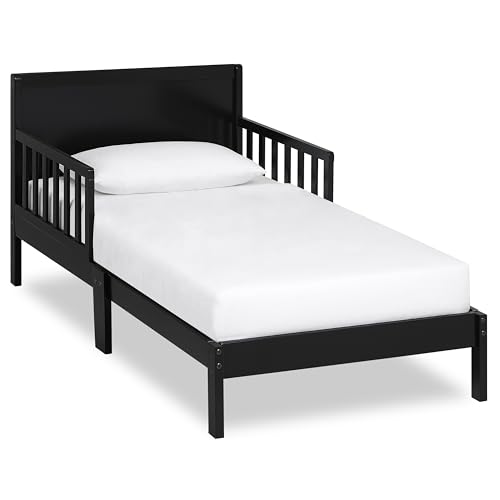
Designed for children transitioning out of a crib. Low to the ground with guardrails, they use a crib mattress and offer a gentle, secure first step toward a "big kid" bed. Ideal for ages two to four.
Twin Beds
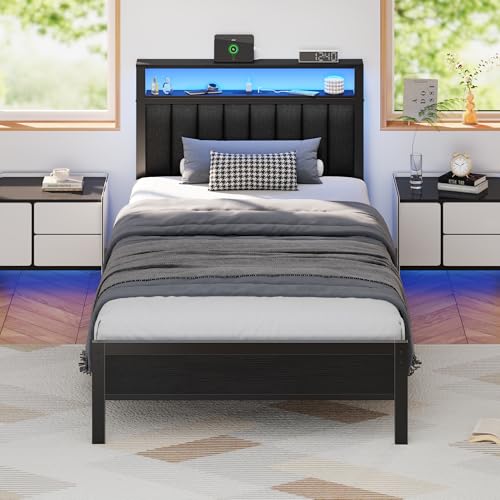
The classic first "real" bed. Twin size suits most children from around age four through the pre-teen years. A wide selection of styles means you can match almost any bedroom theme.
Bunk Beds
Two beds stacked vertically, perfect for siblings sharing a room or for sleepovers. Look for sturdy ladders, full-length guardrails on the top bunk, and a reinforced frame.
Loft Beds
Elevated beds that free up floor space underneath for a desk, play area, or storage. A great choice for older children and tweens who need a study zone in a compact room.
Daybeds with Trundle
A versatile option that works as a sofa by day and a bed by night, with a pull-out trundle for guests. Well suited to smaller rooms and multi-purpose spaces.
L-Shaped and Specialty Beds
Corner and L-shaped configurations make smart use of awkward room layouts. Many include integrated storage, slides, or stairs for a playful, feature-rich setup.
If your child is ready for a shared-room arrangement, exploring L-shaped bunk beds can help you maximize floor space while keeping each sleeper comfortable. For rooms with limited square footage, L-shaped bunk beds for small rooms are a practical place to start. Families who want extra sleeping capacity without a full second bed may prefer a bunk bed with a trundle.
Sizing: From Toddler to Teen
Getting the size right is one of the most important decisions you will make. A bed that is too small will need replacing within a couple of years, while an oversized bed can overwhelm a small bedroom. Use the table below as a quick reference.
| Bed Type | Typical Age Range | Best For |
|---|---|---|
| Toddler Bed | 2–4 years | Transitioning from a crib |
| Twin Bed | 4–12 years | First independent bed |
| Full Bed | 10+ years | Growing teens and guests |
| Bunk Bed | 6+ years (top bunk) | Siblings sharing a room |
| Loft Bed | 6+ years | Study and play space below |
Keep in mind that children grow quickly. If you are furnishing a room for the long term, a twin or full-size bed with a convertible or extendable frame can carry your child through several growth stages. Many parents also consider a kids bedroom storage plan at the same time, since bed size directly affects how much storage space remains.
Safety Features That Matter
Safety should never be an afterthought when choosing a kids bed. The following features are worth checking before you commit to any model.
- Guardrails: Essential on toddler beds, top bunks, and loft beds. Rails should extend at least five inches above the mattress surface and be securely fixed.
- Sturdy ladders and stairs: Look for wide, non-slip steps and a ladder that attaches firmly to the frame. Stairs with handrails are the safest option for younger children.
- Rounded corners and smooth edges: Reduces the risk of bumps and scrapes during play.
- Non-toxic finishes: Choose beds with low-VOC paints and finishes, especially for younger children.
- Weight capacity: Check the manufacturer's recommended maximum weight, particularly for bunk and loft beds.
- Stable base: A reinforced slat system or solid platform prevents mattress sagging and adds overall stability.
For families considering a loft-style setup, reviewing models with stairs built into the bunk bed offers a safer climb than a standard ladder. You can also explore bunk beds with a slide for a playful option that still meets safety guidelines when properly installed.
Materials, Frames, and Durability
Kids beds take a lot of wear, from jumping on the mattress to climbing and roughhousing. The frame material plays a major role in how long the bed will last.
Wood Frames
Solid wood frames, particularly pine, oak, and birch, offer a warm, classic look and excellent durability. Engineered wood and MDF are common in mid-range models and can be a good choice when paired with solid reinforcement at joints.
Metal Frames
Metal bed frames are strong, easy to clean, and often available in playful colors and finishes. High-grade steel frames with rust-proof finishes are especially suited to bunk beds and loft beds where structural strength is critical.
Upholstered Frames
Soft, upholstered headboards add comfort for reading in bed and give a more grown-up feel that older children and teens appreciate. Look for removable, washable covers where possible.
Whichever material you choose, inspect the joints, screws, and slats. A well-built entry-level frame will outlast a poorly constructed premium model every time.
Storage and Space-Saving Solutions
Kids accumulate belongings quickly, and bedroom storage is often in short supply. Choosing a bed with built-in storage can solve two problems at once.
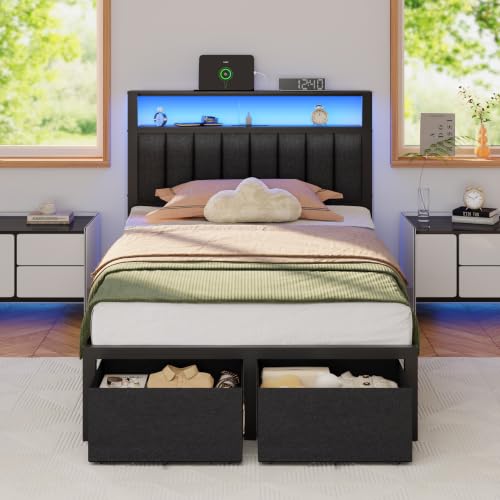
- Under-bed drawers: Ideal for storing clothes, toys, and bedding out of sight.
- Trundle beds: Provide an extra sleeping surface and often include storage compartments.
- Loft beds with desks: Combine sleeping, studying, and storage in a single footprint.
- Beds with shelving: Headboard and footboard shelving keeps books and small items organized.
If storage is a top priority, a bunk bed with integrated storage is a smart investment. You may also find inspiration in these kids bedroom storage ideas that pair well with almost any bed style.
Designing the Kids Bedroom Around the Bed
The bed is the anchor of a child's bedroom, so it makes sense to design the rest of the room around it. A few practical pointers:
- Leave walking space: Aim for at least two feet of clear floor space on at least two sides of the bed.
- Think about light: Position the bed away from glaring windows and add a bedside lamp within reach.
- Use vertical space: Wall shelves, hooks, and floating storage keep the floor clear.
- Choose a theme that grows: Neutral wall colors and bedding let the bed's style carry the room as your child's tastes change.
For children who share a room or need flexible sleeping arrangements, an L-shaped children's bed can define individual sleeping zones without crowding the room. Smaller spaces benefit from L-shaped twin beds designed for small rooms, which leave more floor area for play and study.
Ready to Find the Right Kids Bed?
Browse our curated selection of kids beds below, chosen for safety, durability, and smart design.
See Recommended Kids BedsFrequently Asked Questions
Most children are ready to transition between 18 months and three years, typically when they start climbing out of the crib or exceed the crib's weight limit. A toddler bed with guardrails is the safest first step, followed by a twin bed around age four or five.
Bunk beds are safe when used correctly. The top bunk is generally recommended for children aged six and older, and should always have full-length guardrails on both sides. Ensure the ladder is secure and teach children the rules for safe use.
A twin bed suits most children from around age four through the pre-teen years. If you have space and want a bed that lasts into the teen years, a full-size bed is a worthwhile long-term investment.
Choose a loft bed if your child needs study or play space underneath. Choose a bunk bed if you need two sleeping surfaces in one footprint, such as for siblings sharing a room. Both are excellent space-savers when properly installed.
A medium-firm mattress with good support is generally recommended for growing bodies. For bunk and loft beds, use a mattress that matches the frame's thickness guidance to keep guardrails effective. A breathable cover helps with temperature regulation.