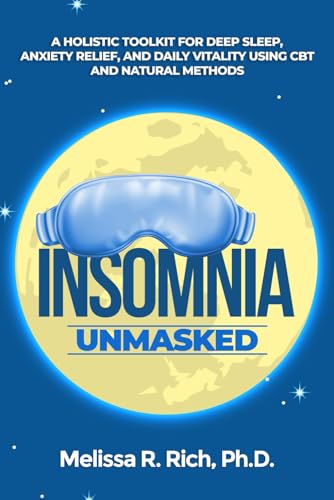
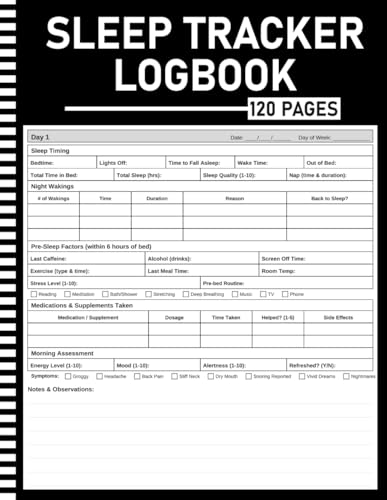
Insomnia Tips: How to Sleep Better at Night
Struggling to fall asleep or stay asleep? Discover science-backed strategies, lifestyle changes, and products that can help you conquer insomnia and enjoy restful nights.
Explore Sleep HealthDid you know? Chronic insomnia affects millions of adults worldwide. The good news is that with the right approach—combining sleep hygiene, environment optimization, and sometimes the right products—you can significantly improve your sleep quality. This guide covers everything you need to know to sleep better tonight.
What Is Insomnia & Why Does It Happen?
Insomnia is a sleep disorder characterized by difficulty falling asleep, staying asleep, or waking up too early and not being able to go back to sleep. It can be acute (short-term) or chronic (lasting a month or more). Common causes include stress, anxiety, poor sleep habits, medications, and underlying health conditions. Understanding the root cause is the first step to finding the right solution. For many, a combination of lifestyle adjustments and better bedding and linens can make a world of difference.
Essential Sleep Hygiene Tips
Sleep hygiene refers to the habits and practices that are conducive to sleeping well on a regular basis. Here are the most effective tips:
-
Stick to a Sleep Schedule
Go to bed and wake up at the same time every day, even on weekends. This helps regulate your body's internal clock and can help you fall asleep and stay asleep for the night.
-
Create a Relaxing Bedtime Routine
Engage in calming activities before bed, such as reading, taking a warm bath, or practicing meditation. Avoid screens (phones, tablets, TV) at least an hour before bedtime, as blue light can interfere with melatonin production.
-
Optimize Your Bedroom Environment
Your bedroom should be cool, dark, and quiet. Consider using blackout curtains to block light, and a white noise machine to mask disruptive sounds. The right bed pillows and mattress toppers can also enhance comfort.
-
Watch What You Eat and Drink
Avoid large meals, caffeine, and alcohol close to bedtime. Caffeine can stay in your system for hours, and while alcohol might make you drowsy initially, it can disrupt sleep later in the night.
-
Get Regular Exercise
Physical activity can promote better sleep, but try to finish workouts at least a few hours before bed to allow your body to wind down.
Products to Support Better Sleep
Sometimes, the right products can bridge the gap between restless nights and restorative sleep. Here are some items that many people find helpful for managing insomnia:
-
Weighted Blankets
Weighted blankets apply gentle pressure that can reduce anxiety and promote a sense of calm, making it easier to fall asleep. They are especially helpful for those with restless leg syndrome or anxiety-related insomnia.
-
Memory Foam Pillows
The right pillow can make a huge difference in sleep quality. Memory foam pillows provide excellent neck and head support, reducing pain and improving sleep posture.
-
Cooling Mattresses & Toppers
Overheating at night can wake you up. Cooling mattresses and toppers use breathable materials and gel-infused foams to regulate temperature, helping you stay asleep longer.
-
Essential Oil Diffusers
Aromatherapy with lavender or chamomile can be a natural way to promote relaxation. Aromatherapy for sleep is a gentle, non-invasive method to signal your brain that it's time to rest.
When to Consult a Sleep Specialist
While lifestyle changes and products can help many people, some cases of insomnia require professional intervention. If you've tried improving your sleep hygiene and still struggle with sleep, consider consulting a doctor. They can rule out underlying conditions like sleep apnea or restless leg syndrome that may be contributing to your insomnia.
Cognitive Behavioral Therapy for Insomnia (CBT-I) is a highly effective, non-medication treatment that addresses the thoughts and behaviors that interfere with sleep. Many sleep clinics and online platforms now offer CBT-I programs.
Start Sleeping Better Tonight
Insomnia can feel overwhelming, but small, consistent changes can lead to significant improvements. Start with one or two of the insomnia tips mentioned above and build from there. Whether it's adjusting your bedtime routine, upgrading your bedding, or exploring the products recommended below, every step brings you closer to the restful sleep you deserve.
Remember, you are not alone in this journey. With patience and the right strategies, better sleep is within reach.