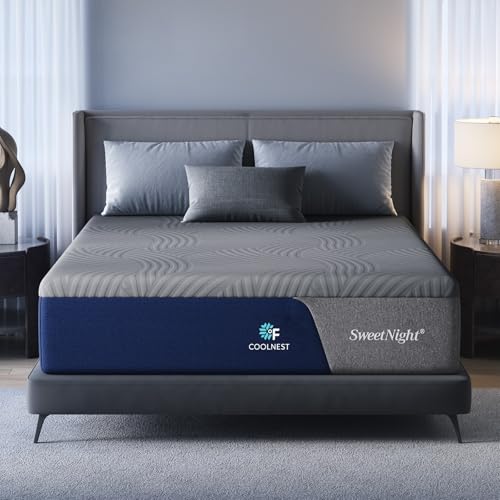
Medium Mattresses: The Balanced Choice for Better Sleep
Discover why medium mattresses are the versatile middle ground that suits most sleepers, combining comfort and support in equal measure.
What makes a medium mattress stand out? A medium mattress sits comfortably in the middle of the firmness spectrum, typically rated around 5 to 6 on a 10-point scale. It delivers enough cushioning to relieve pressure points while maintaining the structural support your spine needs. This balance makes it one of the most versatile and widely recommended choices for couples, combination sleepers, and anyone seeking a dependable all-rounder.
What Is a Medium Mattress?
A medium mattress is defined by its position on the firmness scale — right in the middle. It is neither plush nor extra firm, but rather a carefully engineered balance of the two. When you lie on a medium mattress, you should feel gentle contouring around your shoulders, hips, and lower back, while the underlying support layer keeps your body aligned.
This firmness level has become increasingly popular because it accommodates a broad range of body types and sleeping positions. Unlike soft mattresses that may allow excessive sinkage, or firm mattresses that can create pressure points, medium mattresses strike a compromise that works well for most people. For a deeper look at how firmness levels differ, explore our guide to medium-firm mattresses to compare the subtle distinctions.
Understanding the Firmness Scale
Mattress firmness is usually rated on a scale from 1 to 10, where 1 is extremely soft and 10 is extremely firm. Medium mattresses typically fall between 5 and 6. This range is often subdivided into "medium-soft" (around 5) and "medium-firm" (around 6), giving shoppers a nuanced choice within the medium category.
Medium-Soft (≈5)
Offers more contouring and pressure relief. Ideal for side sleepers who prefer a plusher feel without losing support.
Medium (≈5.5)
The true middle ground. Balances cushioning and support for combination sleepers and couples.
Medium-Firm (≈6)
Provides stronger support with a slight give. Suited to back sleepers and those who need extra spinal alignment.
Understanding where a mattress falls on this scale helps you match it to your sleep style. If you are unsure whether you need a firmer feel, our medium-firm mattresses resource explains the differences in detail.
Who Should Choose a Medium Mattress?
Medium mattresses are remarkably versatile, but they are particularly well-suited to the following groups:
- Combination sleepers: If you change positions throughout the night, a medium mattress adapts without creating pressure points or excessive sinkage.
- Couples: Partners with different firmness preferences often find a medium mattress to be a comfortable compromise. Motion isolation varies by material, but the balanced feel suits most body types.
- Side sleepers: Medium-soft to medium mattresses cradle the shoulders and hips while keeping the spine aligned.
- Back sleepers: Medium to medium-firm options provide the support needed to maintain a neutral spinal curve.
- Guest rooms: A medium mattress is a safe, crowd-pleasing choice for visitors with unknown preferences.
Stomach sleepers may require a firmer surface to prevent the hips from sinking, so they should consider medium-firm or firm options. For a broader overview of mattress types, visit our mattress hub or compare specifications using the mattress comparison tool.
Materials Used in Medium Mattresses
The feel of a medium mattress depends heavily on its construction. Here are the most common material types and how they perform at a medium firmness level:
- Memory foam: Contours closely to the body and excels at pressure relief. Medium-foam models balance cushioning with support. See our memory foam mattresses guide for details.
- Hybrid: Combines foam comfort layers with pocketed coils for responsiveness and edge support. Medium hybrid mattresses are excellent for couples and combination sleepers.
- Latex: Naturally responsive and durable. Medium latex mattresses offer a buoyant feel that many sleepers find refreshing. Learn more in our latex mattress resources.
- Innerspring: Traditional coil systems paired with cushioning layers. Medium innerspring mattresses provide a more traditional feel with adequate support.
Each material influences temperature regulation, motion isolation, and durability. If you tend to sleep hot, look for breathable covers and gel-infused foams. You can also add a mattress topper to fine-tune the feel of an existing mattress without replacing it entirely.
Firmness Comparison Table
The table below summarizes how medium mattresses compare with other firmness levels across common criteria. Use it to gauge where a medium mattress fits your needs.
| Tier | Best For | Support Level | Pressure Relief | Motion Isolation |
|---|---|---|---|---|
| Soft (Plush) | Side sleepers, light body types | Low to moderate | High | High (foam) |
| Medium | Combination sleepers, couples, side and back sleepers | Balanced | Balanced | Moderate to high |
| Medium-Firm | Back sleepers, heavier body types, stomach sleepers | Moderate to high | Moderate | Moderate |
| Firm | Stomach sleepers, heavy body types, those who prefer a rigid surface | High | Low to moderate | Low to moderate |
Remember that individual perception of firmness varies based on body weight, sleeping position, and personal preference. A medium mattress for a lighter sleeper may feel firmer than it does for a heavier sleeper.
How to Choose the Right Medium Mattress
Selecting a medium mattress involves more than picking a number on the firmness scale. Consider these factors to make an informed decision:
- Sleep position: Side sleepers often prefer medium-soft; back sleepers may lean toward medium or medium-firm; combination sleepers benefit from a true medium.
- Body weight: Lighter individuals may perceive a medium mattress as firmer, while heavier individuals may sink more. Adjust your choice accordingly.
- Material preference: Choose memory foam for contouring, latex for responsiveness, or hybrid for a mix of both.
- Temperature regulation: If you sleep hot, look for breathable covers, gel infusions, or coil-based designs that promote airflow.
- Trial period and warranty: A generous sleep trial lets you test the mattress at home. Check the mattress warranty for long-term coverage.
- Size: Ensure you select the correct dimensions by consulting our mattress size chart.
If you experience back pain, a medium mattress may help, but it depends on the cause. Our guide to the best mattress for back pain offers targeted advice.
Ready to Find Your Medium Mattress?
Browse our curated selection of medium mattresses and compare features, materials, and support levels to find your perfect match.
Explore OptionsCare and Maintenance Tips for Medium Mattresses
Proper care extends the life of any mattress and preserves its medium feel. Follow these practical tips:
- Rotate regularly: Rotate your mattress every three to six months to promote even wear. Most medium mattresses are not flippable, so rotation is key.
- Use a protector: A mattress protector shields against spills, dust mites, and allergens while keeping the surface clean.
- Clean gently: Vacuum the surface periodically and spot-clean stains with mild detergent. Avoid soaking the mattress.
- Provide support: Use a sturdy bed frame or foundation that matches the mattress manufacturer's requirements. A proper base prevents sagging.
- Air it out: Remove bedding and let the mattress breathe occasionally to reduce moisture buildup.
If you use a topper to adjust firmness, consider a memory foam mattress topper for added pressure relief or a mattress pad for a softer surface feel.
Frequently Asked Questions
What is a medium mattress?
A medium mattress sits in the middle of the firmness scale, typically rated around 5 to 6 out of 10. It offers a balanced blend of cushioning and support, making it suitable for a wide range of sleepers.
Who should choose a medium mattress?
Medium mattresses are ideal for combination sleepers, couples with different preferences, and side sleepers who need pressure relief without sacrificing spinal alignment. They also suit guest rooms and multi-user households.
How long does a medium mattress last?
A well-constructed medium mattress typically lasts 7 to 10 years depending on materials, usage, and care. Rotating it regularly and using a protector can extend its lifespan.
Can I make a medium mattress firmer or softer?
Yes. Adding a firm mattress topper can make it feel slightly firmer, while a soft topper or mattress pad can add plushness. However, drastic changes are not possible without replacing the mattress.
Is a medium mattress good for back pain?
Many people with back pain find medium mattresses comfortable because they balance support and pressure relief. However, the best choice depends on the specific cause of pain and individual body mechanics. Consult a healthcare professional for personalized advice.