Start With a Clear Bedroom Design Plan
Before adding a single item, define how the room should feel. A restful bedroom typically prioritizes calm over stimulation: soft textures, layered lighting, and a restrained palette. Designers often recommend choosing one focal point — usually the bed — and building the rest of the room around it. This prevents the scattered look that makes small bedrooms feel chaotic.
Measure the room and sketch a simple layout. Note door swings, window positions, and walking paths. The goal is a layout where you can move comfortably and where the bed feels anchored rather than floating. If space is tight, consider beds for small rooms or a bed with storage to reclaim floor area without sacrificing style.
Editor's tip: Choose your color palette before shopping. A three-color rule — one dominant neutral, one secondary tone, and one accent — keeps the room cohesive and makes every purchase easier to justify.
Bedroom Furniture: The Foundation of Good Decor
Furniture defines the room's function and visual weight. The bed frame sets the tone; supporting pieces like nightstands, dressers, and benches complete the composition. Aim for balance: a heavy, upholstered frame pairs well with slim nightstands, while a light metal frame can carry more substantial storage pieces.
Choosing the Right Bed Frame
The frame you choose influences everything from the room's style to how much floor space remains. Wooden frames read warm and traditional; metal frames feel airy and industrial; upholstered frames add softness and absorb sound. Browse the full bed frames collection to compare materials, heights, and headboard styles.
- Headboard impact: A tall headboard creates a visual anchor and can double as a backdrop for pillows and art. Explore beds with headboards for statement options.
- Storage integration: Beds with storage drawers underneath keep clutter hidden — ideal for rooms without a dedicated closet.
- Multi-functional picks: A bed with a bookcase headboard adds display space and reading storage without extra furniture.
Nightstands, Dressers, and Benches
Symmetry around the bed feels calm and intentional. Matching nightstands on both sides create order, while a single bedroom bedside cabinet works in tighter layouts. For a coordinated look, consider a bedroom dresser and bedside tables set.
A bedroom bench at the foot of the bed adds seating, a place to lay out clothes, and a layer of visual softness. Explore the wider bedroom furniture collection if you're furnishing from scratch.
Bedroom Lighting: Layer for Warmth and Function
Lighting is the most underrated decor element. A single overhead fixture flattens a room; layered lighting adds depth and lets you adjust the mood. The standard approach uses three layers:
- Ambient light: A ceiling fixture or pendant for general illumination.
- Task light: Bedside lamps or wall sconces for reading.
- Accent light: String lights, LED strips, or a small floor lamp for atmosphere.
Warm bulbs (around 2700K) are widely recommended for bedrooms because they support melatonin production better than cool white light. If you want built-in ambience, beds with LED lights built in offer a modern, integrated option.
Textiles and Soft Furnishings
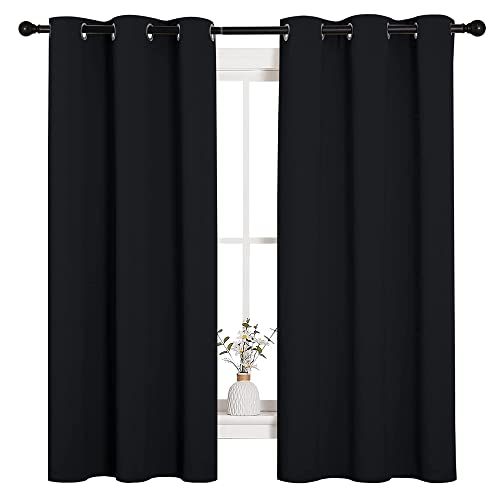
Textiles are where a bedroom becomes inviting. Layer a duvet or quilt with a throw, add a textured rug, and finish with curtains that block light. The bedroom quilts and bedspreads collection covers options for every season and style.
For a fully coordinated look, a bedspread and matching curtains set removes the guesswork from color matching. Browse bedding and linens for sheets, pillowcases, and protectors that support the overall palette.
Rugs, Wall Art, and the Finishing Details
An area rug defines the sleeping zone and adds warmth underfoot. In most bedrooms, the rug should extend at least 18–24 inches beyond the sides and foot of the bed. Explore bedroom rugs for size and texture options.
Wall art should feel personal but restrained. One large piece above the headboard or a small gallery on a side wall is usually enough. Finish with mirrors to bounce light, plants for life, and a tray or basket to corral small items.
Declutter rule: If an item doesn't serve sleep, storage, or visual calm, it probably belongs elsewhere. Clear surfaces read as calm; crowded ones read as stress.
Bedroom Decor Styles at a Glance
Style is a shortcut to a cohesive room. Pick one direction and let it guide materials, colors, and shapes.
Minimalist
Clean lines, neutral palette, hidden storage. Focus on quality over quantity and let empty space breathe.
Scandinavian
Light woods, soft whites, functional furniture. Cozy textures like wool and linen warm up the simplicity.
Modern
Sleek surfaces, low profiles, and integrated lighting. Metal and glass accents add polish.
Rustic
Natural wood grain, layered textiles, and earthy tones. Warm and grounded, ideal for cozy spaces.
Bohemian
Layered rugs, mixed patterns, and plants. Relaxed and expressive without feeling cluttered.
Traditional
Symmetry, rich fabrics, and classic silhouettes. Upholstered frames and warm wood anchor the look.
Bedroom Decor by Quality Tier
When comparing decor and furniture, it helps to think in tiers rather than chasing a single number. The table below maps common tiers to typical characteristics so you can match your expectations to the category.
| Tier | Best For | Typical Characteristics |
|---|---|---|
| Entry-level | First apartments, guest rooms, quick refreshes | Simple assembly, basic materials, straightforward finishes |
| Mid-range | Primary bedrooms, long-term daily use | Durable construction, better hardware, refined upholstery options |
| Premium | Design-focused rooms, buyers who want longevity | Solid wood or high-grade materials, reinforced joinery, detailed finishes |
| Luxury | Statement bedrooms, custom-feel spaces | Premium materials, hand-finished details, integrated features |
Higher tiers tend to offer more durable construction and finer finishes, which matters in a room used every night. Entry-level pieces can work well for guest rooms or temporary setups, while mid-range and premium tiers are usually the sweet spot for primary bedrooms.
Common Bedroom Decor Mistakes to Avoid
- Ignoring scale: Oversized furniture in a small room feels cramped; undersized pieces look lost in a large room.
- One-note lighting: A single harsh overhead light kills the cozy factor. Layer your light sources.
- Too many patterns: Pick one statement pattern and keep the rest solid or subtly textured.
- Skipping the rug: Bare floors feel cold and unfinished. A rug anchors the bed and softens sound.
- Forgetting function: Decor should support how you actually use the room — reading, dressing, storing, resting.
Frequently Asked Questions
How do I make a small bedroom look bigger?
Use light colors, choose furniture with visible legs to show floor space, mount curtains high and wide, and use a mirror to bounce light. A bed with storage also reduces the need for extra furniture.
What is the best color palette for a restful bedroom?
Soft neutrals, muted blues, sage greens, and warm grays are commonly recommended because they are low-stimulation. Add one accent color through textiles or art rather than repainting the whole room.
Where should the bed go in a bedroom?
Place the headboard against the wall opposite the door when possible, leaving walking space on both sides. If the room is narrow, a bed with a headboard against the longest wall creates a natural focal point.
How do I coordinate furniture without buying a matching set?
Anchor the room with one material or finish (for example, warm wood) and repeat it in at least two pieces. Mix shapes and heights, but keep the palette consistent. A bedroom set is the fastest route to a coordinated look if you prefer a single decision.
Do I need a rug in the bedroom?
It is not strictly necessary, but a rug adds warmth, absorbs sound, and defines the sleeping zone. Choose a size that extends beyond the bed on at least two sides for a balanced look.
Where to Go Next
If you're furnishing a full bedroom, start with the bedroom furniture hub to see how pieces work together. For inspiration on layout and styling, the bedroom decor collection rounds up our best guides. And if you're still deciding on the bed itself, browse beds and bed frames for sale and compare options across tiers.