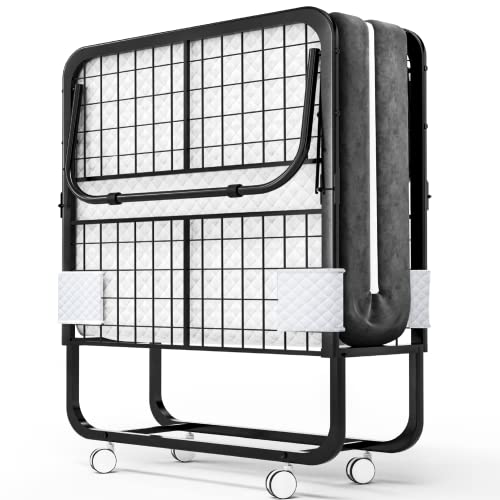
Alternative Beds for Small Spaces
Discover smart, space-saving bed solutions designed for compact bedrooms, studio apartments, and multifunctional living areas. Find the perfect balance of comfort, function, and efficient use of space.
Explore Bed TypesWhy Consider an Alternative Bed? Traditional bed frames can dominate a small room, leaving little space for storage, movement, or other furniture. Alternative beds for small spaces solve this problem through clever design — folding away, stacking, or serving multiple purposes. Whether you live in a studio apartment, a compact urban home, or a multi-use guest room, the right space-saving bed transforms how you use your room.
This guide covers the most effective alternative bed types, their strengths and trade-offs, and practical tips to help you choose the right one for your space and lifestyle.
Top Alternative Beds for Small Spaces
Murphy Beds (Wall Beds)
Murphy beds fold up vertically into a wall or cabinet, freeing the entire floor area during daytime. Modern designs include easy-lift mechanisms, integrated lighting, and even fold-out desks or sofas. They are ideal for studio apartments and rooms that serve as both living and sleeping areas.
When closed, the bed virtually disappears, allowing you to reclaim the room for work, exercise, or entertaining. Contemporary wall beds come in horizontal and vertical orientations to fit different wall dimensions.
Pros
- Frees floor space when closed
- Modern mechanisms are easy to operate
- Can include built-in storage or desks
Cons
- Requires professional installation
- Needs clear wall space for operation
- Mattress thickness may be limited
Loft Beds
Loft beds elevate the sleeping surface, creating usable space underneath for a desk, seating area, or storage. They are excellent for small bedrooms with high ceilings, especially in student housing or compact apartments. Many loft beds feature sturdy metal or wood frames with safety rails and integrated ladders.
Some designs allow adjustable height settings, and certain models combine a loft bed with a desk or shelving unit for a complete compact workstation.
Pros
- Maximizes vertical space
- Creates room for a desk or lounge
- Available in many frame styles
Cons
- Requires climbing for access
- Not ideal for low ceilings
- May need sturdy installation
Daybeds
Daybeds function as seating during the day and as a sleeping surface at night. They are a natural fit for guest rooms, home offices, and studio apartments where a traditional sofa and bed would take up too much room. Many daybeds include trundle options or extendable surfaces for extra sleeping capacity.
Styles range from simple metal frames to upholstered designs that blend with living room furniture, making them versatile for multi-purpose rooms.
Pros
- Dual-purpose seating and sleeping
- Blends with living area furniture
- Often includes trundle options
Cons
- Smaller sleeping surface than a full bed
- May need a mattress upgrade for nightly use
- Less supportive than standard beds
Trundle Beds
Trundle beds feature a second bed that rolls out from underneath the main frame, making them ideal for sleepovers and small guest rooms. When not in use, the trundle tucks away, preserving floor space. Many trundle designs include pop-up mechanisms that raise the second mattress to the same height as the main bed.
They are a practical alternative for families in compact homes who need occasional extra sleeping space without committing to a permanent second bed.
Pros
- Two sleeping surfaces in one footprint
- Trundle hides away when not needed
- Great for guest rooms and kids' rooms
Cons
- Lower bed may be less comfortable
- Requires clearance for rollout
- Mattress options may be limited
Futon Beds
Futons convert from a sofa to a flat sleeping surface with a simple folding motion. They are a classic space-saving solution for studio apartments, dorms, and small living rooms. Modern futon frames use sturdy wood or metal and offer improved mattress options compared to older designs.
While futons are not typically designed for nightly long-term sleep, higher-tier models with thicker mattresses provide adequate support for regular use in compact living situations.
Pros
- Instant sofa-to-bed conversion
- Simple, low-maintenance design
- Widely available in many styles
Cons
- Less supportive for daily sleeping
- Folding mechanism can wear over time
- Limited mattress thickness
Sofa Beds (Pull-Out Couches)
Sofa beds combine comfortable seating with a pull-out sleeping surface. They are a staple in small apartments and guest rooms where the living area doubles as a bedroom. Modern sofa beds use memory foam mattresses and improved folding mechanisms for better comfort.
When selecting a sofa bed for small spaces, consider the extended footprint — the bed requires additional floor space when pulled out. Measuring your room carefully ensures the bed fits comfortably when deployed.
Pros
- Comfortable seating when closed
- Available in many fabric and style options
- Good for occasional guest sleeping
Cons
- Requires extra floor space when open
- Heavy and difficult to move
- Mattress quality varies widely
Comparison: Which Alternative Bed Fits Your Space?
| Bed Type | Space Saved | Best For | Setup Complexity |
|---|---|---|---|
| Murphy Bed | High — folds into wall | Studio apartments, multi-use rooms | Professional installation recommended |
| Loft Bed | High — uses vertical space | Small bedrooms, student rooms | Assembly required; sturdy anchoring |
| Daybed | Medium — dual-purpose furniture | Guest rooms, home offices | Minimal assembly |
| Trundle Bed | Medium — second bed tucks away | Kids' rooms, guest rooms | Standard assembly |
| Futon | Medium — converts sofa to bed | Dorms, starter apartments | Simple assembly |
| Sofa Bed | Low to medium — needs open floor space | Living rooms, guest areas | Minimal setup; heavy to position |
How to Choose the Right Alternative Bed
Selecting an alternative bed for a small space involves balancing comfort, functionality, and room dimensions. Use these practical guidelines to narrow your options:
- Measure your room precisely. Account for door swings, closet openings, and traffic paths. A bed that fits the wall but blocks a doorway creates daily frustration.
- Consider your sleeping frequency. A bed used every night needs a supportive mattress and durable frame. Occasional guest beds can prioritize compact storage over long-term comfort.
- Evaluate vertical clearance. Loft beds and bunk-style designs require sufficient ceiling height for safe, comfortable use. Measure from floor to ceiling before committing.
- Think about mattress compatibility. Murphy beds, futons, and sofa beds often have specific mattress requirements. Check thickness and flexibility guidelines before pairing a mattress with the frame.
- Plan for daily operation. A bed that folds or converts must be easy enough to use every day. Test mechanisms in person when possible or read verified user feedback about ease of operation.
- Check weight capacity and safety features. Loft beds, wall beds, and bunk-style designs should include safety rails, locking mechanisms, and clear weight limits. Prioritize certified safety standards.
- Match the style to your room. Space-saving beds are available in modern, rustic, minimalist, and upholstered styles. Choose a design that complements your existing decor so the bed feels intentional rather than improvised.
Ready to Reclaim Your Space?
Explore our curated selection of space-saving beds and discover the perfect fit for your compact bedroom, studio, or guest room.
View Recommended BedsFrequently Asked Questions
Murphy beds are generally the most space-efficient because they fold completely into the wall, freeing the entire floor area. Loft beds are a close second, as they use vertical space to create room for a desk or storage underneath. The best choice depends on your ceiling height, wall availability, and whether you need the room for other activities during the day.
Yes, modern Murphy beds with quality mattresses are comfortable for nightly use. The key is selecting a mattress designed for wall beds — typically thinner and more flexible than standard mattresses, but still supportive. Many premium Murphy bed systems include mattress recommendations or bundle options to ensure proper fit and comfort.
Loft beds require adequate ceiling height for safe use. As a general rule, you need at least 30 to 36 inches of clearance between the top of the mattress and the ceiling. If your ceiling is lower, consider a low-profile loft or a daybed with a trundle instead.
A daybed serves as both a sofa and a bed, typically with a backrest and arms for seating. A trundle bed is a standard bed with a second mattress stored underneath that rolls out when needed. Daybeds are better for multi-purpose living spaces, while trundle beds are ideal for guest rooms and kids' rooms that need occasional extra sleeping capacity.
Yes, sofa beds and futons work best with mattresses designed for folding or compact storage. Standard innerspring mattresses are too thick and rigid for most convertible frames. Look for memory foam or specially constructed futon mattresses that provide support while remaining flexible enough to fold or roll.