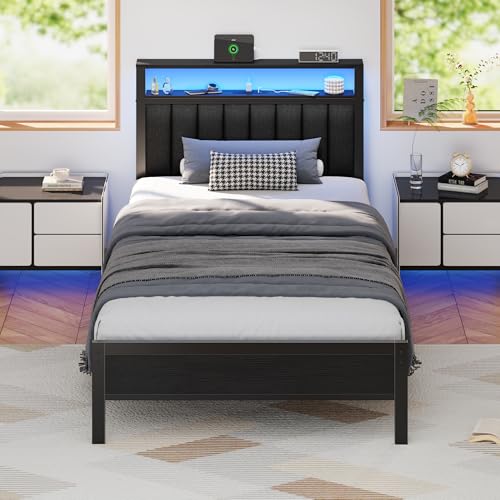
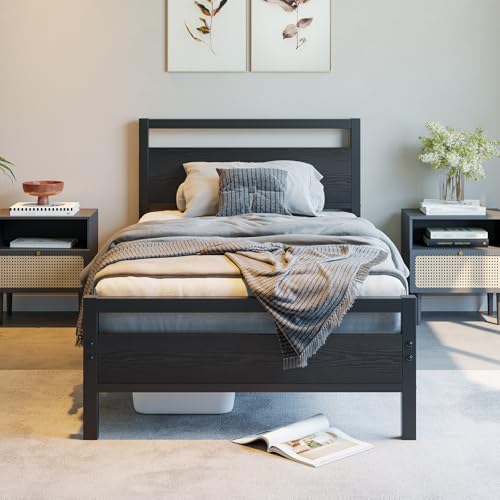
Are Twin and Single Beds the Same?
Uncover the truth about bed sizes, dimensions, and space requirements to choose the perfect mattress for your room.
📏 Quick Answer: Yes, in most cases twin and single beds refer to the exact same mattress size: 38 inches wide by 75 inches long (approximately 96.5 cm × 190.5 cm). However, there are some regional variations and terminology differences worth understanding before you buy.
If you've been shopping for a new bed online or in stores, you've probably come across both "twin" and "single" as options. This often leads to the natural question: are twin and single beds the same? The short answer is yes, but the long answer involves understanding regional naming conventions, size variations, and space considerations that can affect your purchase decision.
Let's dive into the details to help you make an informed choice. We'll cover exact dimensions, when to choose each term, and important factors like room size and intended use. By the end of this guide, you'll know exactly whether a twin or single bed (or both) is right for your bedroom setup. This is especially important if you're furnishing a guest room, a kids' bedroom, or a small apartment where space is at a premium.
🌟 Key Takeaway
Twin beds and single beds are virtually identical in size. The difference is primarily regional: "Twin" is the standard term in North America, while "Single" is more commonly used in the UK, Europe, and other international markets. Both measure 38" x 75" (or 39" x 75" in some newer models).
Twin vs. Single: Exact Dimensions & Variations
To truly understand if twin and single beds are the same, we need to look at the numbers. The standard twin bed (also called a single bed) measures 38 inches wide by 75 inches long. However, there's also a variation known as the "Twin XL" which is 38 inches wide but 80 inches long, designed for taller individuals. The "Single" bed in most international markets also measures 90 cm × 190 cm, which is very close to the North American standard.
| Bed Type | Width | Length | Common Use |
|---|---|---|---|
| Twin (Standard) | 38 inches (96.5 cm) | 75 inches (190.5 cm) | Kids, teens, guest rooms, small spaces |
| Single (Standard) | 38 inches (96.5 cm) | 75 inches (190.5 cm) | International standard, same as twin |
| Twin XL | 38 inches (96.5 cm) | 80 inches (203 cm) | Taller individuals, college dorms |
| Single XL (Europe) | 39.4 inches (100 cm) | 79 inches (200 cm) | European taller single beds |
As you can see, the standard twin and single are essentially the same. The primary difference lies in the naming convention used in different regions. In the United States and Canada, "twin" is the most common term. In the United Kingdom, Australia, and many European countries, "single" is the preferred term. Both refer to a mattress that can comfortably accommodate one person, making them ideal for children, teenagers, and adults under 6 feet tall.
Regional Terminology: Why Two Names for the Same Size?
The double naming often confuses shoppers, but it's rooted in history and marketing. In North America, the term "twin" emerged because these beds were often used in pairs—especially in children's rooms or guest rooms. Two twin beds could be placed side by side to create a larger sleeping area or used separately in a room shared by siblings. The word "twin" implied a pair, even though the bed itself was a single sleeping space.
On the other hand, the term "single" is more literal—it's a bed designed for one person. This is the standard term in the UK, Australia, and many other countries. Despite the different names, the dimensions are almost identical, so if you're buying a twin bed frame and mattress set in the US, it will fit the same space as a single bed in the UK.
When Should You Choose a Twin or Single Bed?
Now that we've established that twin and single beds are the same, let's discuss the best scenarios for choosing this size. The twin/single bed is one of the most versatile mattress sizes, but it's not for everyone. Here are some ideal use cases:
- Children's Bedrooms: Perfect for toddlers, kids, and teenagers. It provides enough space to grow without overwhelming a small room.
- Guest Rooms: A twin bed is a space-efficient choice for a guest room that doesn't get daily use. It's comfortable for a single adult or child.
- Small Apartments: When square footage is tight, a twin bed saves valuable floor space for other furniture.
- Bunk Beds and Loft Beds: Standard twin mattresses are used in almost all bunk bed designs, making them a practical choice for shared rooms.
- Daybeds and Trundle Beds: These versatile furniture pieces typically use twin/single mattresses for comfortable seating and sleeping.
If you're furnishing a room for a taller teenager or an adult over 6 feet tall, you might want to consider a Twin XL or a Full/Double bed instead. The Twin XL adds 5 inches in length, which can make a significant difference in comfort. If you're looking for a more spacious option, you could explore full-size low loft beds for adults that offer more width and sleeping space.
Pros and Cons of Twin/Single Beds
Understanding the advantages and disadvantages of a twin/single bed can help you decide if it's the right choice for your needs. Below, we've summarized the key points to consider before making a purchase.
✅ Advantages
- Space-Saving: At only 38 inches wide, it's the narrowest standard mattress size, ideal for small rooms.
- Affordable: Twin/single mattresses and frames are generally the least expensive option.
- Versatile: Works well in kids' rooms, guest rooms, and even small home offices with a daybed setup.
- Easy to Move: Lightweight and easy to transport, rotate, and flip compared to larger sizes.
- Bunk Bed Compatible: The standard size for bunk beds, trundle beds, and loft beds.
❌ Disadvantages
- Too Narrow for Two: Not comfortable for two adults to share; it's strictly a single sleeper.
- Limited Length: At 75 inches, it may be too short for adults over 6 feet tall.
- Not Ideal for Couples: Even couples who like to sleep close generally prefer at least a full/double bed.
- Room Size Limitations: While it saves space, the aesthetic can sometimes look small in a very large master bedroom.
Important Buying Considerations
Before you click "buy," there are a few important factors to consider when purchasing a twin or single bed. These will ensure you get the right product for your specific needs and avoid any costly mistakes.
- Measure Your Room: Even though a twin/single bed is small, it's crucial to measure your room to ensure you have enough clearance for walking space, other furniture, and doors.
- Consider the Sleeper's Height: If the sleeper is over 6 feet tall, opt for a Twin XL to provide extra legroom.
- Check Mattress Thickness: If you're buying a bed with a box spring and mattress, ensure the total height is comfortable for getting in and out of bed, especially for children or elderly individuals.
- Think About Future Needs: If you're buying a bed for a growing child, will a twin bed be sufficient for the next 5–10 years? If not, consider a full-size bed.
- Storage Options: Some twin beds come with built-in storage, which is a fantastic space-saving solution for small rooms. Explore beds with storage underneath for practical organization.
Common Misconceptions About Twin and Single Beds
There are several myths and misconceptions about twin and single beds that can confuse buyers. Let's clear them up:
- Myth: A twin bed is smaller than a single bed. — Fact: In most cases, they are exactly the same size (38" x 75"). The difference is purely regional naming.
- Myth: Twin beds are only for children. — Fact: Twin beds are suitable for adults under 6 feet tall and are commonly used in guest rooms, dorms, and small apartments.
- Myth: You can't find high-quality twin/single bed frames. — Fact: There are premium materials like wood, metal, and upholstered frames available in this size.
- Myth: Twin and single beds are being phased out. — Fact: They remain one of the most popular mattress sizes globally due to their versatility and affordability.
Tips for Maintaining Your Twin/Single Bed
To get the most out of your twin or single bed, it's important to care for it properly. Here are some maintenance tips to extend its lifespan and ensure you always have a comfortable sleep surface.
- Rotate the Mattress: Rotate your mattress every 3–6 months to prevent sagging and uneven wear.
- Use a Mattress Protector: A waterproof protector can prevent stains and dust mites, which is especially useful for kids' beds.
- Check the Frame: Periodically tighten bolts and screws on your bed frame to ensure it remains stable and squeak-free.
- Vacuum Regularly: Vacuuming the mattress and surrounding area can reduce allergens and keep your bed fresh.
🛏️ Final Verdict: When someone asks, "Are twin and single beds the same?" the answer is a confident yes. Both terms describe a mattress that measures approximately 38 inches by 75 inches. The choice between "twin" and "single" typically comes down to regional preferences rather than any functional difference. By understanding your space, your sleeper's needs, and the terminology in your region, you can make a confident purchase that will provide comfortable sleep for years to come.