Baby Beds: The Ultimate Guide to Safe & Comfortable Sleep
Choosing the right baby bed is one of the most important decisions for your little one's safety and comfort. From cribs and bassinets to convertible options, we help you navigate every choice.
Shop Recommended Baby Beds ↓SleepWisePicks Philosophy: A safe sleep environment is the foundation of your baby's health and development. We guide you through every feature—from mattress firmness to breathability—so you can rest easy knowing your baby sleeps soundly.
Types of Baby Beds: Which One Is Right for Your Family?
Standard Cribs
The most common choice. Sturdy, long-lasting, and available in various styles. Look for adjustable mattress heights and convertible options that grow with your child. Prices range $200–$1,200+
Bassinets & Cradles
Perfect for the first few months. Compact, portable, and often placed next to your bed for easy night feedings. Ideal for small spaces. Prices range $80–$400
Convertible Cribs
Grow with your child from crib to toddler bed, daybed, and even full-size bed. A smart investment for long-term use. Prices range $300–$1,000+
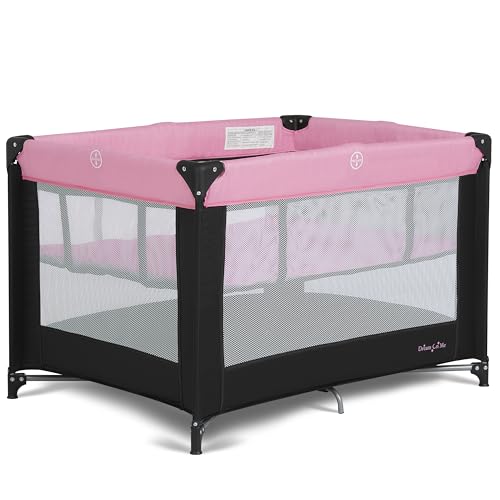
Portable & Mini Cribs
Great for travel or smaller nurseries. Lightweight and foldable, some include wheels for easy mobility. Prices range $120–$350
Essential Safety Standards for Baby Beds
✓ JPMA Certified
Look for the Juvenile Products Manufacturers Association seal. Ensures the crib meets rigorous safety and durability standards.
✓ Slat Spacing
Slats should be no more than 2 3/8 inches apart to prevent your baby's head from getting trapped. Always measure before buying.
✓ Firm Mattress Fit
The mattress must fit snugly with no gaps. A firm surface reduces the risk of SIDS. Avoid soft mattresses or pillow-top designs.
✓ Lead-Free & Non-Toxic
Choose cribs with non-toxic finishes and lead-free paints. Water-based or GREENGUARD Gold certified are best for your baby's health.
💡 Expert Tips for a Safe Sleep Environment
- Always place your baby on their back to sleep—it's the safest position.
- Avoid loose bedding like blankets, pillows, or stuffed animals in the crib.
- Use a firm, tight-fitting mattress with a waterproof cover.
- Keep the room at a comfortable temperature (68–72°F) to prevent overheating.
- Position the crib away from windows, cords, and blinds to avoid strangulation hazards.
For more guidance on creating a healthy sleep space, visit our Sleep Health hub.
Choosing the Right Mattress & Bedding
Mattress Firmness
A firm mattress is essential to reduce the risk of SIDS. Avoid memory foam or pillow-top mattresses for infants. Look for dual-sided options (firm side for infants, softer side for toddlers).
Breathable & Organic
Choose breathable, organic cotton or bamboo sheets and mattress pads. They help regulate temperature and reduce exposure to harmful chemicals.
Waterproof Protection
A waterproof mattress protector is a must. It keeps the mattress clean and extends its life. Make sure it fits snugly and doesn't create a suffocation hazard.
Convertible Cribs: A Smart Investment for the Future
A convertible crib transforms from a crib to a toddler bed, daybed, and sometimes a full-size bed. This versatility saves money and reduces waste. Explore different bed sizes to plan ahead. Many parents also pair convertible cribs with storage beds or platform beds with drawers for efficient nursery organization.
If space is limited, consider bunk beds or loft beds for older siblings, but ensure your baby's crib remains a safe, dedicated sleep zone.
Nursery Setup: Style Meets Function
Choosing the Right Location
Place the crib away from windows, heaters, and direct sunlight. Ensure easy access for nighttime checks. A bedside table with a dimmable lamp is a great addition for late-night feedings.
Storage & Organization
Incorporate a dresser or armoire for baby clothes and essentials. A narrow bedside table with drawers can hold diapers, wipes, and burp cloths within arm's reach.
Lighting & Decor
Soft, warm lighting creates a calming atmosphere. Use blackout curtains to regulate sleep cycles. A white noise machine can also help your baby sleep more soundly.
Safety First
Anchor furniture to the wall to prevent tipping. Use outlet covers and keep cords out of reach. A baby monitor with video and temperature sensors gives you peace of mind.
🛒 Final Buying Tips for Baby Beds
- Measure your space – ensure the crib fits comfortably with room to move around.
- Check for recalls – always verify the model is not on any recall list.
- Read reviews – real parent experiences can highlight durability and ease of assembly.
- Consider future needs – a convertible crib can be a wise long-term investment.
- Don't forget the mattress – a high-quality, firm mattress is just as important as the crib itself.
Ready to choose the perfect baby bed? Browse our recommended products below.