Beautiful Bedspreads and Comforters: A Complete Buying Guide
Learn how to choose beautiful bedspreads and comforters that combine comfort, durability, and design. From fabric types and fill options to sizing and styling, this guide gives you everything you need to refresh your bedroom with confidence.
Why this guide matters: A bedspread or comforter is more than a layer of fabric. It is the visual centerpiece of your bedroom and a direct contributor to how well you sleep. Choosing the wrong one can lead to overheating, poor drape, and a mismatched room. This guide walks you through the decision step by step so you can buy once and buy right.
Bedspread vs. Comforter: What Is the Real Difference?
Many shoppers use the terms interchangeably, but bedspreads and comforters serve different purposes and suit different bedroom setups. A bedspread is typically a thinner, lightweight cover that drapes over the entire bed, often reaching the floor or just above it. It usually includes a quilted or matelasse texture and is designed to cover the mattress, sheets, and sometimes the pillows in one clean visual layer. A comforter is a thicker, filled bedding layer with a soft, puffy structure, usually paired with a duvet cover or used on its own with sheets beneath it.
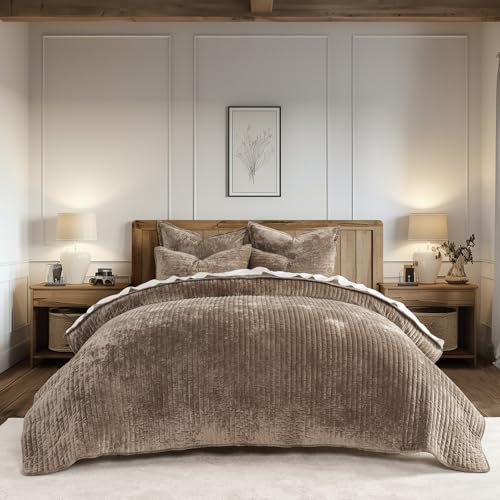
If you prefer a tidy, hotel-style finish with minimal layering, a bedspread is often the better choice. If you prefer warmth, cloud-like softness, and the flexibility of a duvet cover, a comforter fits the bill. Many modern bedrooms actually combine both: a lightweight quilted 100% cotton chenille bedspread layered over a comforter for a textured, inviting look.
Types of Beautiful Bedspreads and Comforters
Understanding the main construction styles helps you narrow down options quickly. The cards below break down the most popular categories you will encounter when shopping for bedding.
Classic
Quilted Bedspreads
Stitched layers of fabric and light batting create a flat, tailored look. Quilted bedspreads are durable, machine washable, and ideal for year-round use. They work especially well in guest rooms and traditional bedrooms.
Textured
Matelasse Bedspreads
Woven with a raised, quilt-like pattern that adds visual depth without extra weight. A 100% cotton matelasse bedspread delivers a refined, vintage-inspired finish and breathable comfort.
Cozy
Down and Down-Alternative Comforters
Fill materials determine warmth and loft. Natural down offers the highest warmth-to-weight ratio, while down-alternative fills are hypoallergenic and easier to maintain. Look for baffle-box construction to prevent fill shifting.
Design-Forward
Duvet Covers and Sets
A duvet cover protects your comforter and lets you change the look of the room without replacing the insert. Breathable cotton and linen covers are top choices for sleepers who run warm.
Statement
Oversized King Bedspreads
For larger beds, a beautiful bedspread in king size ensures proper drape and coverage. Oversized options prevent the tug-of-war that happens when two sleepers share a standard-size cover.
Choosing the Right Fabric for Your Bedspread or Comforter
Fabric choice affects breathability, durability, texture, and how the bedding feels against your skin. Here is how the most common options compare:
- Cotton: Breathable, durable, and easy to care for. Long-staple cotton offers a smoother hand feel and better longevity. Ideal for year-round comfort.
- Linen: Highly breathable and moisture-wicking, with a relaxed, lived-in texture. Best for warm sleepers and casual bedroom styles.
- Chenille: Soft, plush, and visually rich. Chenille bedspreads add warmth and texture and are especially popular in traditional and cottage-style bedrooms.
- Microfiber: Smooth, wrinkle-resistant, and widely available. A good choice for guest rooms and households that prioritize low-maintenance care.
- Silk and Sateen: Smooth, lustrous, and luxurious. Best for a polished, high-end look and for sleepers who do not overheat easily.
When comparing tiers, entry-level options often use shorter-staple cotton or polyester blends, while mid-range and premium bedding typically uses long-staple cotton, tighter weave counts, and reinforced stitching. A high-end tier bedspread will usually hold its shape and color better after repeated washing, making it a worthwhile long-term investment.
Sizing and Drape: Getting the Fit Right
Fit is the most overlooked factor in bedding satisfaction. A beautiful bedspread that is too small will leave the mattress exposed and look unfinished. Measure your mattress first, then add the drop you want on each side.
| Bed Size |
Typical Mattress Dimensions |
Recommended Cover Drop |
Best For |
| Twin / Twin XL |
Narrow single sleeper |
12–15 inches per side |
Kids rooms, guest rooms, dorm setups |
| Full / Double |
Compact double sleeper |
15–18 inches per side |
Small primary bedrooms, teen rooms |
| Queen |
Most common adult size |
15–20 inches per side |
Couples, primary bedrooms |
| King |
Wide luxury sleeper |
18–22 inches per side |
Spacious primary suites |
| California King |
Extra-long western king |
18–22 inches per side |
Tall sleepers, large bedrooms |
If you want a floor-length, fully tailored look, choose an oversized bedspread and confirm the dimensions before ordering. If you prefer a cleaner, modern drape that shows the bed frame, a standard size with a shorter drop is usually sufficient.
Matching Warmth to Your Sleep Style
Warmth is personal. The same comforter that feels perfect in winter can be unbearable in summer. Here is a simple framework for matching bedding weight to sleep style:
- Hot sleepers: Choose a lightweight quilted bedspread, a breathable cotton comforter, or a duvet cover with a low-loft insert. Look for moisture-wicking fabrics such as linen and bamboo blends.
- Cold sleepers: Choose a medium- to high-loft down or down-alternative comforter with a baffle-box construction, layered with a soft quilt for added insulation.
- Couples with different preferences: Consider two twin-size comforters layered together, or a dual-warmth setup with a lighter cover on one side.
- All-season comfort: A quilted bedspread over a medium-weight comforter gives you flexibility to remove one layer as the seasons change.
You can also fine-tune comfort with bedding accessories. A mattress topper changes the feel of the bed underneath the covers, while a back sleeper guide can help you align pillow and cover choices with your sleep position.
Styling Beautiful Bedspreads and Comforters
A beautiful bedspread is only half the story. The way you layer and style it determines the final look of the room. These are the most reliable styling approaches:
- Hotel-style layering: Start with crisp white sheets, add a quilted bedspread, and finish with a folded throw at the foot of the bed. This works in almost any bedroom style.
- Textured neutrals: Combine a matelasse bedspread with a linen duvet cover and a chunky knit throw for a calm, layered look that photographs beautifully.
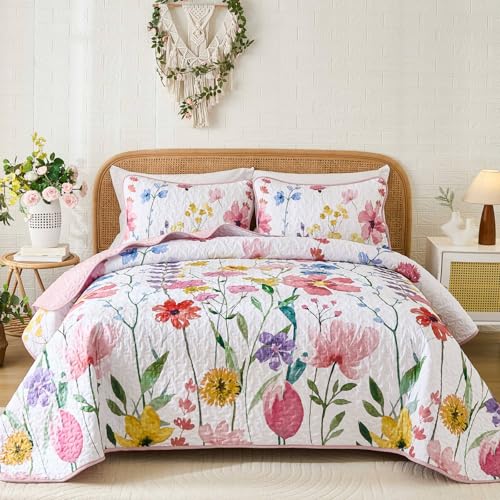
- Color as the focal point: Let the bedspread carry the room's color palette. Pair a rich-toned comforter with neutral walls, warm wood furniture, and simple art deco bedside tables for a cohesive finish.
- Seasonal rotation: Keep two covers on hand — a breathable cotton bedspread for warm months and a plush comforter for cooler months. Rotating bedding keeps the bedroom feeling fresh.
Ready to upgrade your bedroom? Explore our curated selection of beautiful bedspreads and comforters below, compare features, and find the right match for your sleep style and room design.
Frequently Asked Questions
Should I choose a bedspread or a comforter for a guest room?
A quilted bedspread is often the better choice for a guest room because it creates a tidy, hotel-like finish and is easy to wash between guests. If you want a softer, more luxurious feel, a comforter paired with a duvet cover works well and lets you refresh the look without replacing the insert.
How do I keep a comforter from shifting inside a duvet cover?
Look for duvet covers with internal corner ties or snap loops, and use a comforter that has matching loops. Baffle-box construction also helps the fill stay evenly distributed. Shaking the cover out weekly keeps the insert centered.
What is the best fabric for hot sleepers?
Breathable natural fibers such as cotton, linen, and bamboo are the most comfortable for hot sleepers. A lightweight quilted bedspread or a cotton duvet cover with a low-loft insert works better than a heavy down comforter in warm bedrooms.
How often should bedspreads and comforters be washed?
Wash bedspreads every two to four weeks and comforters every one to three months, depending on use and whether pets sleep on the bed. Always check the care label — down comforters may require a front-loading machine or professional cleaning.
Can I use a bedspread with an adjustable bed?
Yes, but choose a flexible, lightweight bedspread rather than a stiff quilted one. If you use an adjustable base, consider
bed frames for adjustable beds and confirm the bedding has enough give to flex with the mattress.
Final Thoughts
Beautiful bedspreads and comforters do more than dress up a room. The right choice improves sleep quality, reduces overheating, and creates a bedroom that feels genuinely restful. Focus on fabric breathability, correct sizing, and warmth level first, then choose the style that fits your room. With those three factors settled, the design details fall into place naturally. Take your time, compare features across tiers, and pick bedding you will be happy to see every night.