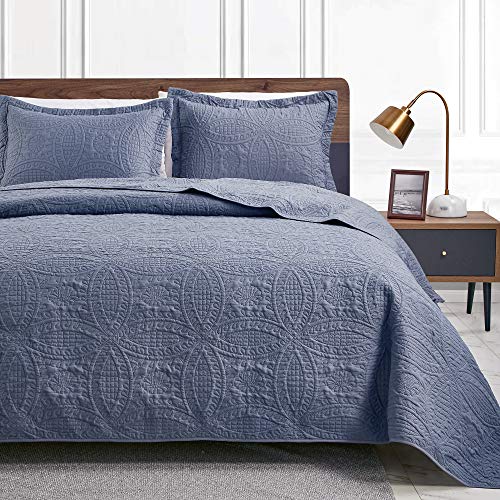
Bedspread Queen Size: The Complete Buyer's Guide
Everything you need to choose a queen-size bedspread that fits correctly, drapes beautifully, and suits your bedroom style.
EXPLORE RECOMMENDED OPTIONSWhy a queen bedspread deserves careful selection: A queen bed is the most common mattress size in many homes, and the bedspread you choose shapes the entire look of the room. Too small, and it leaves gaps and looks unfinished. Too large, and it pools awkwardly on the floor. This guide walks you through sizing, drape, materials, styles, and practical care so you can make a confident decision before you buy.
Understanding Queen Bedspread Sizing
A standard queen mattress measures roughly 60 inches wide by 80 inches long, with a typical height of 20 to 25 inches including the box spring or foundation. A bedspread is designed to cover the mattress and hang down over the sides, often reaching near the floor. That is the key difference from a comforter, which is usually thicker and sits more on top of the bed.
Because bedspread dimensions vary by manufacturer and style, always compare the listed measurements against your own mattress before ordering. The table below shows common queen bedspread dimensions and what they typically achieve.
| Bedspread Type | Typical Width | Typical Length | Best For |
|---|---|---|---|
| Standard queen bedspread | 88–92 inches | 100–104 inches | Moderate side drape, beds with a lower profile |
| Oversized queen bedspread | 96–102 inches | 104–110 inches | Fuller drape, thicker mattresses, pillow tuck |
| Quilted queen bedspread | 90–96 inches | 100–106 inches | Everyday use with a classic quilted look |
| Lightweight summer bedspread | 88–94 inches | 98–104 inches | Warm climates and layered bedding |
If you want the bedspread to cover the pillows during the day, look for a length that allows a pillow tuck, often 104 inches or more. If you prefer a cleaner look with pillows visible, a shorter length that ends just below the mattress top can work well. The right choice depends on your bed height, the look you want, and whether the bedspread will be used as the primary cover or as a decorative layer.
How to Measure Your Queen Bed for a Bedspread
Measuring takes only a few minutes and prevents the most common buying mistake: a bedspread that is too narrow or too short. Follow these steps:
- Measure the mattress width from edge to edge.
- Measure the mattress length from head to foot.
- Measure the drop from the top of the mattress to where you want the bedspread to end. A typical drape ends 1 to 3 inches above the floor, but some people prefer it to reach the floor or stop at the bed frame.
- Double the drop and add it to the width, then add the drop once to the length. Add a few extra inches for pillow tuck and fabric shrinkage.
- Compare your calculated total with the bedspread's listed dimensions. If you are between sizes, choose the larger option for a fuller look.
For a more polished result, consider the thickness of your mattress topper or pillow-top. A thicker sleep surface raises the bed and may require a larger bedspread to maintain the same drape. If you are also refreshing your sheets and pillow setup, explore our guides to bed sheets and best pillows to coordinate the full bedding look.
Bedspread Styles and Materials for Queen Beds
Queen bedspreads come in a wide range of constructions, and each brings a different feel to the bedroom. Understanding the trade-offs helps you match the bedspread to your climate, care routine, and interior style.
Cotton and Cotton Blends
Cotton is breathable, soft, and easy to wash, making it a dependable choice for year-round use. Quilted cotton bedspreads offer a classic textured look and tend to hold their shape well over time. Cotton blends can reduce wrinkling and add durability, which is helpful for everyday family use.
Linen and Linen Blends
Linen has a relaxed, natural texture and excellent temperature regulation. It softens with each wash and suits casual, coastal, and minimalist bedrooms. Linen can wrinkle, so it is best for people who appreciate a lived-in look rather than a crisp finish.
Microfiber and Performance Fabrics
Microfiber bedspreads are smooth, wrinkle-resistant, and simple to maintain. They are a practical option for guest rooms and busy households. Performance fabrics may add stain resistance and moisture management, which can be useful in homes with pets or children.
Quilted and Matelassé Styles
Quilted bedspreads use stitching to create texture and structure, while matelassé fabrics offer a raised, woven pattern with a more traditional feel. Both styles work well as the main cover in a queen bedroom and pair easily with decorative pillows and throws.
If you are building a coordinated bedroom, browse our bedspreads and comforter sets and queen bedspread sets for options that include matching shams and accents. For a lighter layered look, queen-size bedspreads and quilts can be combined with a duvet or blanket depending on the season.
Choosing the Right Look for Your Queen Bedroom
The bedspread sets the visual tone of the room, so it helps to decide on a direction before you shop. Here are a few common approaches and how they translate into bedspread choices:
- Classic and tailored: A quilted cotton bedspread in a solid neutral or soft stripe creates a clean, traditional look. Pair it with crisp sheets and structured pillows.
- Relaxed and natural: A linen or washed-cotton bedspread in an earthy tone works well with wood furniture and layered textures.
- Modern and minimal: A smooth microfiber or cotton bedspread in a solid color keeps the room calm and uncluttered.
- Pattern-led: Geometric, floral, or paisley bedspreads can anchor the room when the rest of the decor is kept simple.
For more specific color directions, you can explore white queen bedspreads, beige queen bedspreads, black queen bedspreads, and black and white queen bedspreads to see how different palettes change the mood of a bedroom.
A Practical Buying Checklist
Before you finalize your choice, run through these checks to avoid returns and ensure the bedspread works in daily life:
- Measure twice: Confirm width, length, and drop against your actual mattress and frame.
- Check the care label: Machine washable options are easier for everyday use; some quilted or structured styles may require gentler care.
- Consider the season: Lightweight cotton and linen suit warm months; quilted or layered options add warmth in cooler months.
- Match your pillow plan: Decide whether you want a pillow tuck or visible pillows, and choose the length accordingly.
- Think about the frame: A bedspread that reaches the floor can hide under-bed storage, while a shorter drape shows off the frame. If you are also shopping for a bed frame, our best bed frames guide can help you coordinate.
- Plan for washing: Larger queen bedspreads may need a commercial or oversized machine; check before buying.
Care Tips to Keep Your Queen Bedspread Looking Fresh
Regular care extends the life of any bedspread and keeps the bedroom feeling clean and comfortable. Follow the manufacturer's instructions first, and use these general tips as a guide:
- Shake out the bedspread daily to reduce dust and keep the fabric lofted.
- Wash according to the care label, using a gentle cycle and mild detergent for cotton and linen.
- Avoid overdrying, which can shrink natural fibers and weaken stitching.
- Rotate the bedspread periodically if one side receives more sunlight.
- Store seasonal bedspreads clean and dry in a breathable bag to prevent mustiness.
If you are also updating the surrounding sleep setup, our best mattresses and best mattress toppers guides can help you build a comfortable foundation beneath the bedspread.
Frequently Asked Questions
What size bedspread fits a queen bed?
A queen mattress is typically 60 by 80 inches. For a proper drape, look for a queen bedspread around 88 to 102 inches wide and 100 to 110 inches long, depending on your mattress height and how far you want the fabric to hang.
What is the difference between a bedspread and a comforter?
A bedspread is generally thinner, lighter, and designed to drape fully over the sides and often over the pillows. A comforter is thicker and puffier, usually paired with a duvet cover or bed skirt, and it typically does not reach the floor.
How do I measure for a queen bedspread?
Measure your mattress width, length, and height. Add twice the drop you want on each side and at the foot, then add a few inches for pillow tuck and shrinkage. Compare that total to the bedspread's listed dimensions.
What materials are best for a queen bedspread?
Cotton and cotton blends are breathable and easy to care for. Linen offers a relaxed texture and good temperature regulation. Quilted cotton is durable, while microfiber is smooth and wrinkle-resistant. Choose based on climate, care preference, and style.
A queen-size bedspread is more than a finishing layer; it protects your bedding, defines the look of the room, and contributes to how comfortable the bed feels. By measuring carefully, choosing a material that suits your routine, and planning the drape and style, you can select a bedspread that looks intentional and works well every day. Use the recommended products below as a starting point, and compare features, dimensions, and care requirements before making your final choice.