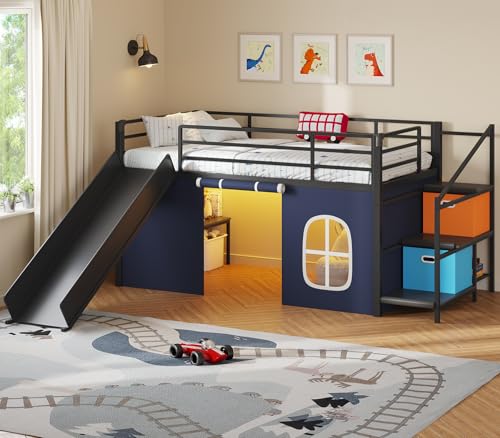
Children's Low Bunk Beds Guide
Safe, stylish, and space-saving solutions for your child's room. Find the perfect low bunk bed that combines fun, functionality, and peace of mind.
Choosing a children's low bunk bed is a big decision. You want a bed that is safe, durable, and that your child will love. Low bunk beds are an excellent choice for younger children, offering the fun of a bunk bed with a much lower height for easier access and reduced risk. This guide covers everything you need to know to make the best choice for your family.
Whether you're looking for a low loft bed with a desk for a study area or a simple, classic design, understanding your options is key.
Why Choose a Low Bunk Bed?
Low bunk beds, also known as junior or shorty bunk beds, are specifically designed with a reduced height. This makes them ideal for children aged 4 to 10 years old. The lower height minimizes the risk of serious injury from falls, giving parents peace of mind. They are also perfect for rooms with low ceilings, making them a versatile option for various spaces. They encourage a fun, shared sleeping environment for siblings and are great for sleepovers.
Safety First
Reduced fall height, sturdy guardrails, and a safe ladder design make low bunk beds the safest choice for young children.
Space Saving
Utilize vertical space efficiently. They leave more room for play and study, making them perfect for smaller bedrooms.
Kid-Friendly Access
Easy for children to climb up and down independently, fostering a sense of confidence and autonomy.
Versatile Designs
Available in a wide range of styles, from classic wood finishes to modern, colorful designs that complement any decor.
Key Considerations for Buyers
When shopping for children's low bunk beds, it's important to consider several factors to ensure you find the perfect fit. We've broken down the most critical aspects to help you make an informed purchase.
1. Safety Standards & Features
Safety is the paramount concern. Look for bunk beds that meet or exceed ASTM (American Society for Testing and Materials) safety standards. Key safety features include:
- Guardrails: Should be present on both sides of the top bunk (and sometimes the bottom) and be at least 5 inches above the mattress.
- Ladder: Should be securely attached and feature wide, non-slip steps for easy and safe climbing.
- Sturdy Construction: Choose a bed made from solid wood or heavy-duty metal with a robust frame that doesn't wobble.
- No Sharp Edges: Ensure all corners and edges are rounded or covered to prevent injuries.
It's also wise to check the weight capacity, especially for the top bunk.
2. Size & Mattress Fit
Low bunk beds come in various sizes, but the most common are Twin and Full. A Twin low bunk bed is a classic choice for children's rooms. Measure your room's ceiling height and floor space carefully. Remember, the 'low' design means the top bunk is much lower, so you need to ensure there is enough clearance for a child to sit up safely. Always use the manufacturer-recommended mattress thickness to ensure the guardrails remain effective.
| Bed Size | Mattress Size (W x L) | Ideal Age Range | Best For |
|---|---|---|---|
| Twin Low Bunk | 38" x 75" | 4 - 10 years | Standard kids' rooms, siblings sharing |
| Full Low Bunk | 54" x 75" | 6 - 12 years | Older children, those who need more sleeping space |
3. Material & Durability
The material of the bed frame impacts both its durability and aesthetic. Solid wood (like pine or oak) offers excellent durability and a classic, timeless look that can be repainted. Metal frames are generally more affordable and lightweight, and they often come in a wider array of colors. Consider the decor of your child's room and how the bed will fit into the overall design.
For rooms with multiple children, a L-shaped children's bed can be an alternative layout, but for a traditional bunk, low options are safest.
Benefits for Your Child
Beyond the practical advantages, low bunk beds offer numerous benefits for your child's development and happiness. They can turn the daily routine of sleeping into an exciting adventure.
- Encourages Independence: Children can easily get in and out of bed on their own, fostering a sense of autonomy.
- Promotes Sibling Bonding: Sharing a room becomes a fun experience, with the bunk bed creating a special shared space for stories and bonding.
- Fun & Imagination: Bunk beds often become a focal point for play, transforming into a castle, a fort, or a spaceship, encouraging imaginative play.
- Maximizes Play Space: By using vertical space, more floor area is available for toys, a play mat, or other furniture.
Assembly & Maintenance
Once you've chosen your children's low bunk bed, proper assembly and maintenance are crucial for longevity and safety. Most quality bunk beds come with detailed assembly instructions. It's highly recommended to have two people assemble the bed to ensure all parts are correctly and securely fastened. Regularly check all bolts, screws, and connections to ensure they remain tight. For wooden beds, periodic polishing or sealing can help maintain the finish and protect against scratches and wear.
When planning the room, consider how other furniture will work with the bed. A children's bedside table can be a perfect addition for storing a glass of water, a lamp, and a favorite bedtime book.
Quick Checklist: Before You Buy
- Measure your room's height & floor space
- Check safety standards (ASTM)
- Confirm guardrail height and sturdiness
- Review weight capacity
- Choose the right material (wood/metal)
- Pick a design your child loves
- Read customer reviews about stability
This final step will ensure that your purchase provides a safe and happy sleeping environment for your child for years to come.