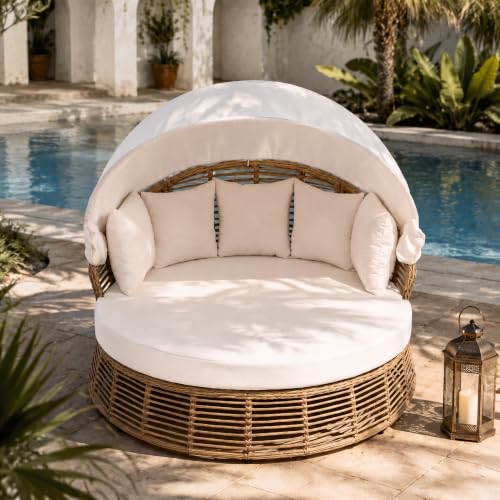
Day Beds for Outdoors: Complete Buying Guide
Transform your patio, deck, or garden into a relaxing retreat with the right outdoor day bed. Learn about weather-resistant materials, frame construction, and design considerations before you choose.
Explore Top PicksAn outdoor day bed is more than just patio furniture — it is an invitation to slow down. Whether you want a shaded spot for afternoon reading, a lounging area beside the pool, or a cozy nook on a screened porch, the right day bed bridges the comfort of indoor living with the fresh air of the outdoors. However, choosing one requires more thought than picking a piece for your living room. Sun, rain, humidity, and temperature swings all demand materials and construction that can handle the elements while still looking elegant.
This guide walks you through everything you need to know before buying a day bed for outdoor use. We cover frame materials, cushion and fabric choices, size considerations, and placement tips so you can make a confident decision. If you are still exploring broader options, our day beds and futons guide offers a useful overview of the category. For those who need extra sleeping space when guests visit, you may also want to look at day beds for adults with trundle as an indoor complement to your outdoor setup.
Key takeaway: Outdoor day beds must be built from weather-resistant materials and paired with quick-drying, UV-stable cushions. Prioritize frame durability and fabric performance over decorative details — the elements are unforgiving, and quality construction is what keeps your day bed comfortable and safe season after season.
Why Invest in a Day Bed for Outdoors?
Outdoor living spaces have become extensions of the home, and a day bed is one of the most versatile pieces you can add. Unlike a standard patio chair, a day bed offers full-body support for lounging, napping, or simply stretching out with a book. It works equally well on a covered porch, beside a pool, under a pergola, or on a sun-drenched deck.
Beyond comfort, an outdoor day bed anchors the design of your outdoor room. It creates a focal point and defines a lounging zone, much like a sofa does indoors. When paired with side tables, an outdoor rug, and shade, it can make even a small balcony feel like a private resort. If you are furnishing a compact space, our guide to custom made beds for small rooms shares space-saving principles that translate well to outdoor layouts.
Frame Materials: What Works Outdoors
The frame is the backbone of any outdoor day bed, and material choice determines how well it survives sun, rain, and humidity. Here is how the most common options compare:
| Material | Weather Resistance | Maintenance | Best For |
|---|---|---|---|
| Powder-Coated Aluminum | Excellent — rust-proof and lightweight | Low — wipe clean occasionally | Coastal areas, humid climates, frequent rearranging |
| Teak & Hardwoods | Very good — natural oils resist moisture | Moderate — periodic oiling recommended | Traditional patios, covered porches, timeless style |
| Powder-Coated Steel | Good — durable but susceptible to rust if chipped | Moderate — inspect for scratches | High-traffic areas needing heavy-duty support |
| Wicker & Rattan (Synthetic) | Very good — UV-treated synthetic resists fading | Low — rinse and air-dry | Casual, resort-style settings; covered areas |
| Reclaimed & Treated Wood | Good — depends on treatment quality | Moderate to high — seal annually | Rustic gardens and farmhouse-style decks |
Aluminum frames are the most forgiving choice for exposed locations because they will not rust, and modern powder coatings hold color well. Teak and other dense hardwoods are a long-term investment that develops a beautiful silver patina if left untreated, or can be oiled to retain a warm tone. Synthetic wicker has improved dramatically in recent years and now offers convincing texture with excellent UV stability. Whichever you choose, look for reinforced joints and a solid build — a day bed that wobbles after one season is not a sound investment.
Cushions and Fabrics: Comfort That Survives the Elements
Frame durability is only half the equation. The cushions and upholstery are what make an outdoor day bed genuinely comfortable, and they take the brunt of sun and moisture exposure. Prioritize these features:
- Solution-dyed acrylic fabrics — color is locked into the fiber, so it resists fading and holds up to repeated cleaning.
- Quick-dry foam cores — open-cell foam allows water to drain and air to circulate, preventing mildew inside the cushion.
- Removable, machine-washable covers — practical for pollen, dust, and occasional spills.
- UV-stable thread and zippers — small details that fail first on lesser cushions.
- Water-repellent backing — helps moisture bead off rather than soak in during light rain.
Even with the best materials, no cushion should be left out in heavy, prolonged rain. Store cushions in a deck box or bring them inside when storms are forecast. If you are choosing a day bed for a covered porch, you have more flexibility, but quick-dry construction is still worthwhile for humidity. For styling ideas that work with outdoor cushions, see our daybed bedspread sets collection for inspiration on layering textiles.
Size and Configuration Options
Outdoor day beds generally follow the same sizing conventions as indoor models, but you should measure your space carefully before committing. A day bed that fits a twin mattress is the most common size for patios and porches, offering comfortable seating for two and lounging room for one. Larger configurations suited to queen mattresses work well on spacious decks but need proportionally more clearance around them.
Popular Outdoor Configurations
- Standard day bed with back and arms — the classic lounge shape; works with a twin mattress and a few throw pillows.
- Canopy or pergola day bed — an overhead frame supports fabric or climbing plants for shade, ideal for sun-exposed decks.
- Swing or hanging day bed — suspended from a sturdy beam or stand; a statement piece for porches and gardens.
- Day bed with trundle — a pull-out lower platform adds sleeping capacity for guests; look for models rated for outdoor use if placed in a covered area.
- Convertible and extendable models — some designs convert from seating to a larger sleeping surface, useful for multipurpose patios.
If you are planning for occasional overnight guests on a screened porch, the principles in our extendable day beds article explain how convertible platforms work and what to check for in the mechanism. For balcony-sized spaces, compact options in our day beds for office guide show how day beds adapt to tight footprints — many of the same space-planning ideas apply outdoors.
Placement and Setup Tips
Where you place your outdoor day bed matters as much as what you choose. Follow these guidelines to protect both the furniture and the people using it:
- Choose a level, well-drained surface. Standing water is the enemy of any outdoor furniture. Patios, composite decks, and gravel pads all work well; avoid low spots that collect rain.
- Provide shade. Prolonged direct sun degrades even UV-stable fabrics over time. A pergola, umbrella, or canopy day bed structure extends the life of cushions and makes lounging more comfortable on hot days.
- Respect wind exposure. Lightweight aluminum frames should be placed in sheltered spots or anchored during storm season. Hanging day beds must be attached to structurally sound beams rated for the load.
- Leave breathing room. Allow at least a couple of feet on the open sides so air circulates and cushions dry faster after rain.
- Anchor on windy sites. Use furniture straps or weighted bases in coastal or exposed locations.
Understanding Product Tiers
Outdoor day beds span a wide spectrum of construction quality, and understanding the tiers helps you match your choice to how much exposure the piece will face:
- Entry-level tier: typically powder-coated steel or basic aluminum frames with standard polyester cushions. Suitable for covered porches and seasonal use; expect to replace cushions sooner.
- Mid-range tier: aluminum or synthetic wicker frames with solution-dyed acrylic cushions and quick-dry cores. A solid choice for year-round covered outdoor use.
- Premium tier: teak or heavy-gauge aluminum frames, marine-grade hardware, and high-performance fabrics. Built for full sun and frequent use; a long-term investment.
- Luxury tier: architect-designed pieces with custom canopies, integrated storage, and commercial-grade materials. Appropriate for high-end outdoor living rooms and hospitality settings.
Whichever tier you consider, focus on specifications rather than appearances alone. A well-specified mid-range day bed with quality fabric often outperforms a decorative piece with lesser materials. Our day beds for sale with mattress page explains how bundled mattress options compare, which is useful if you prefer an all-in-one purchase.
Care and Maintenance Essentials
With proper care, a quality outdoor day bed can serve your family for many seasons:
- Brush off pollen and debris weekly; rinse frames with a hose and mild soap monthly.
- Oil hardwood frames once or twice a year if you want to maintain the original tone.
- Store or cover cushions during off-season months and heavy rain events.
- Inspect hardware and joints at the start of each season; tighten bolts and touch up any chips in powder coating.
- For hanging models, check suspension straps and anchor points annually.
Frequently Asked Questions
Can any day bed be used outdoors?
No. Indoor day beds are usually built from materials that warp, rust, or fade when exposed to weather. Only choose models explicitly designed and rated for outdoor use, with weather-resistant frames and outdoor-grade cushions.
What is the best frame material for a coastal climate?
Powder-coated aluminum is the safest choice near salt water because it will not rust. Rinse it periodically to remove salt residue. Synthetic wicker over an aluminum frame also performs well in coastal conditions.
How do I keep outdoor cushions from getting moldy?
Choose quick-dry foam cores and solution-dyed acrylic covers, stand cushions upright after rain so water drains, and store them during prolonged wet weather. Never put damp cushions in a sealed storage box.
Is a canopy day bed worth it for a sunny patio?
A canopy provides meaningful shade and protects cushions from direct UV exposure, which extends their lifespan. It is especially valuable on west- or south-facing decks that receive intense afternoon sun.
Can I use an indoor day bed mattress outdoors?
Standard indoor mattresses absorb moisture and can develop mildew quickly. Use outdoor-rated cushions or a mattress designed for exterior use, or bring an indoor mattress inside after each use.
How much space do I need around an outdoor day bed?
Leave at least two feet of clearance on the open sides for comfortable access and airflow. On a balcony, measure the depth of the day bed plus walking space before ordering.
Still Comparing Options?
If you are weighing different day bed styles, our related guides can help you narrow the field. Compare indoor-friendly designs in our day beds with trundle overview, or explore versatile layouts in day beds that look like couches for spaces that serve double duty. For a broad category overview, revisit our day beds and futons hub.
View Top Picks BelowFinal Checklist Before You Buy
As you finalize your choice, run through this checklist one last time:
- ✓ Frame material matches your climate and exposure level.
- ✓ Cushions use quick-dry foam and solution-dyed acrylic or equivalent fabric.
- ✓ Dimensions fit your patio, porch, or balcony with clearance to spare.
- ✓ Hardware is rust-resistant and joints are reinforced.
- ✓ You have a plan for shade, storage, and seasonal care.
An outdoor day bed done right becomes the most-used seat in your home's exterior. Take the time to match materials and construction to your specific conditions, and you will enjoy comfortable, carefree lounging for years to come.