Extra Long Twin Bedspreads & Comforters: The Complete Guide
Everything you need to know about sizing, materials, and choosing the right XL twin bedding for dorm rooms, guest beds, and beyond.
Quick Summary: Extra long twin beds (also called twin XL) measure 39 inches wide by 80 inches long — five inches longer than a standard twin. Standard twin bedspreads and comforters will fall short at the foot of the bed. This guide explains exactly what to look for, which materials work best for different sleepers, and how to build a coordinated XL twin bedding setup that looks intentional rather than improvised.
Why Extra Long Twin Bedding Needs Its Own Category
The twin XL size was popularized by college dormitories, where space efficiency meets the needs of near-adult bodies. At 80 inches long, it matches the length of a queen or king mattress — meaning anyone taller than about 5'8" will find a standard twin uncomfortably short. That extra five inches changes everything about how bedding fits.
A standard twin comforter (typically 66" × 86") drapes over a 75-inch mattress with a few inches to spare at the foot. On an 80-inch twin XL mattress, that same comforter leaves the foot of the bed exposed. Worse, the drop along the sides may be uneven if the comforter is designed for a shorter bed. Extra long twin bedspreads and comforters solve this by extending the length to 90–92 inches, ensuring proper coverage from headboard to footboard with enough overhang on both sides.
This matters more than most shoppers realize. A comforter that's too short creates a visually unbalanced bed, exposes the mattress (and any protector or pad beneath it), and forces you to either tuck aggressively or accept a gap. For dorm rooms where the bed is often the centerpiece of a small space, that gap is impossible to ignore.
Extra Long Twin Sizing: What You Actually Need
Before choosing a bedspread or comforter, it helps to understand the exact dimensions you're working with. The table below compares standard twin and twin XL mattress sizes against typical bedding dimensions so you can see where the fit differs.
| Item | Standard Twin | Extra Long Twin (Twin XL) |
|---|---|---|
| Mattress dimensions | 38" × 75" | 38" × 80" |
| Comforter / bedspread length | 86"–88" | 90"–92" |
| Comforter / bedspread width | 66"–68" | 68"–70" |
| Flat sheet dimensions | 66" × 96" | 70" × 100" |
| Fitted sheet pocket depth | 12"–14" | 14"–16" |
Choosing the Right Material for Your XL Twin Bedspread
Material choice affects warmth, breathability, durability, and how the bedding drapes. For a twin XL — often used in dorms, guest rooms, or kids' rooms that need to last — durability and ease of care matter as much as comfort. Here's how the main options compare:
Cotton and Cotton Blends
Cotton remains the most versatile choice. It breathes well, softens with each wash, and holds up to frequent laundering. Percale weaves feel crisp and cool; sateen weaves feel smoother and slightly warmer. For a guest bed or dorm bed that sees heavy use, a cotton-polyester blend offers better wrinkle resistance and color retention. If you prefer natural fibers and don't mind a bit more ironing, 100% cotton is the way to go. You can pair a cotton comforter with linen sheets for a breathable, temperature-regulating setup.
Microfiber and Synthetic Fill
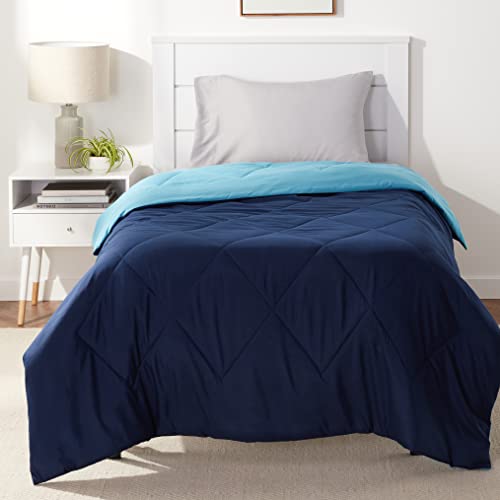
Microfiber comforters are lightweight, wrinkle-resistant, and typically the easiest to clean — often machine-washable and quick-drying. They're a practical pick for dorm rooms where laundry access is limited or shared. The trade-off is breathability: synthetic fills can trap heat, so they suit cool sleepers or air-conditioned rooms better than hot sleepers.
Quilted and Matelassé Styles
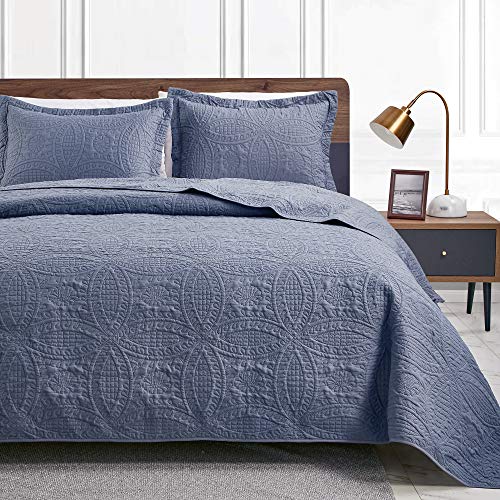
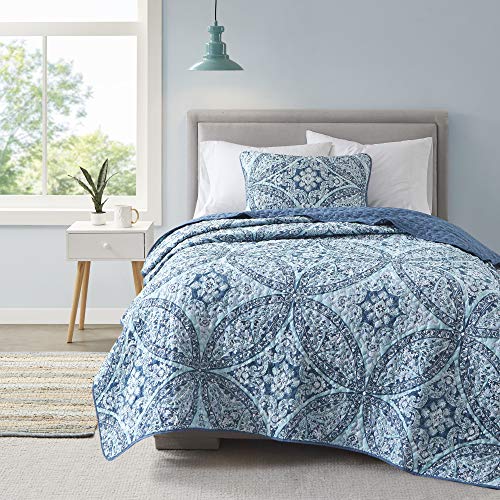
Quilted bedspreads add texture and structure without heavy weight. They're ideal for layering: use a quilted bedspread as the primary cover in summer, then add a duvet or extra blanket in winter. Matelassé offers a similar textured look with a slightly more traditional feel. Both styles work well in guest rooms where you want a polished, hotel-like appearance.
Down and Down-Alternative
For a more luxurious feel, down or down-alternative comforters provide loft and warmth with relatively low weight. Down-alternative (usually polyester fill) is the practical choice for allergy sufferers and those who prefer vegan materials. These comforters usually require a duvet cover, which adds another layer of coordination — but it also means you can change the look seasonally without replacing the comforter itself.
Quality Tiers: What to Expect at Each Level
Extra long twin bedding spans a wide range of construction quality. Rather than focusing on specific figures, it helps to understand what each tier typically delivers so you can match your purchase to how the bed will be used.
Essential Tier
Basic polyester or microfiber construction with simple quilting or stitching. Suitable for temporary setups, spare beds, or short-term dorm use. Expect adequate coverage and easy care, but less durability over repeated washes.
Balanced Tier
Cotton blends or higher-grade microfiber with reinforced stitching and better fill distribution. These hold their shape and color through regular laundering, making them a solid choice for guest rooms and multi-year dorm use.
High-End Tier
100% long-staple cotton, matelassé, or down-alternative fills with precise tailoring and generous dimensions. These bedspreads drape cleanly, resist pilling, and maintain their appearance over many seasons of use.
For a bed that will be used nightly (a primary bed in a small apartment, for example), the balanced or high-end tier is usually the better long-term investment. For a guest bed that's used a few times a year, the essential tier covers the basics without overcommitting. If you're outfitting a dorm room that will only see a few years of use, the balanced tier is often the sweet spot — enough durability to survive shared laundry facilities without paying for features you won't notice.
Coordinating Your Extra Long Twin Bedding Set
A well-dressed twin XL bed looks intentional when all the pieces are sized correctly. Start with a properly fitted mattress protector, then layer a fitted sheet, flat sheet (if you use one), and the comforter or bedspread. For a polished look, choose a comforter that extends 10–12 inches down each side of the mattress — enough to cover the mattress edge and a bit of the frame without pooling on the floor.
Color and Pattern Ideas
Neutral tones (white, ivory, gray, sage) work well in guest rooms because they're easy to coordinate with existing decor. For dorm rooms or kids' rooms, bolder patterns hide stains and add personality. If you like a classic look, a navy and white striped bedspread offers a crisp, nautical feel that works in both traditional and modern spaces. For a darker, more dramatic look, consider a black bedspread (sized appropriately for your bed) as a design anchor, then layer lighter pillows and throws for contrast.
Layering for Warmth and Style
Twin XL beds benefit from layering because the narrow width makes a single heavy comforter feel bulky. Try a quilted bedspread as the base layer, then fold a duvet or blanket at the foot of the bed. This adds visual interest and lets you adjust warmth without changing the entire setup. A luxury bedspread or comforter can serve as the focal point, with simpler sheets and shams providing balance.
Pillows and Shams
Standard pillows (20" × 26") fit twin XL beds proportionally. Two standard pillows side by side fill the width nicely; a single king pillow feels oversized. Add a decorative throw pillow or lumbar pillow for a finished look. If you're setting up a guest room, a pair of matching shams elevates the bed instantly.
Care Tips for Extra Long Twin Bedspreads and Comforters
Proper care extends the life of any bedding, but it's especially important for twin XL sizes because replacements are less readily available in local stores than standard twin or full sizes. Follow these guidelines:
Washing and Drying
- Always check the care label — down and down-alternative comforters often require front-loading machines or commercial laundry.
- Wash cotton and microfiber bedspreads in cold or warm water on a gentle cycle to minimize shrinkage and color fading.
- Tumble dry on low heat; high heat can damage fill fibers and cause uneven loft.
- Remove bedding promptly from the dryer to reduce wrinkles, especially for cotton and linen blends.
Storage Between Seasons
- Store clean, completely dry bedding in breathable cotton bags or pillowcases — not plastic bins, which trap moisture.
- Avoid compressing down comforters for long periods; store them loosely to preserve loft.
- Keep bedding away from direct sunlight during storage to prevent fading.
Frequently Asked Questions
You can, but it won't fit properly. A standard twin comforter is typically 86–88 inches long, while a twin XL mattress is 80 inches long. That leaves only 6–8 inches of overhang at the foot — not enough to cover the mattress edge cleanly. The comforter will look short and may expose the mattress. For a proper fit, choose bedding labeled "extra long twin" or "twin XL."
Yes. "Twin XL," "extra long twin," and "twin extra long" all refer to the same mattress size: 38 inches wide by 80 inches long. Bedding labels may use any of these terms interchangeably, so check the dimensions on the packaging rather than relying solely on the name.
Microfiber and cotton-polyester blends are the most practical for dorm rooms because they're durable, wrinkle-resistant, and easy to launder in shared facilities. If you sleep hot or prefer natural fibers, a cotton comforter with a breathable weave is a better choice, though it may require more careful washing to avoid shrinkage.
Two standard pillows (20" × 26") fit comfortably side by side across the 38-inch width of a twin XL bed. For a more styled look, use two standard pillows plus one decorative throw pillow or lumbar pillow. King-size pillows are too large for the width and will look disproportionate.
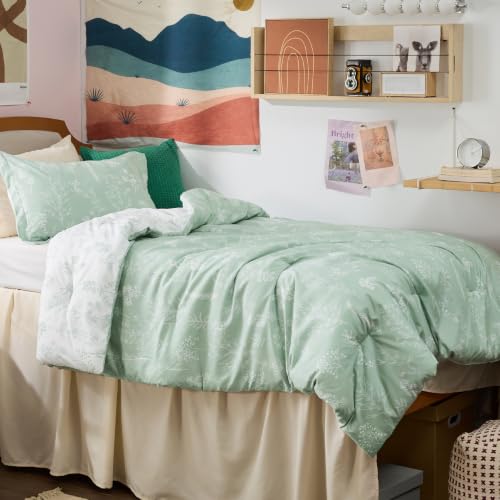
Not necessarily, but a bed skirt helps conceal the space under the bed and gives the bedding a finished look. If your bed frame has a visible headboard and footboard, a bed skirt is optional. For platform beds or metal frames without a footboard, a bed skirt can make the bed look more polished and hide storage underneath.
Yes, but it will be oversized. The comforter will drape lower on the sides and pool slightly at the foot. It's not harmful, but it may look sloppy and create a tripping hazard if the excess fabric reaches the floor. For a standard twin bed, standard twin bedding is the better fit.