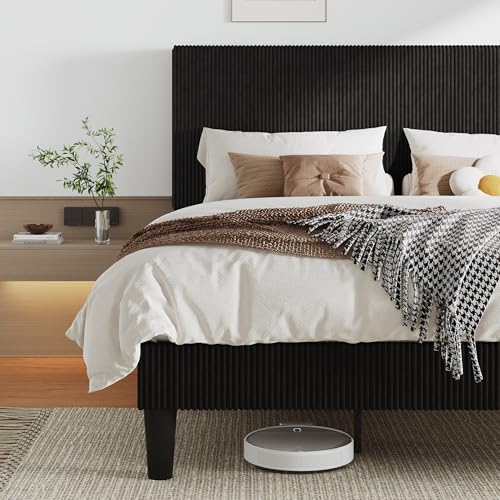
Fabric Bedstead: The Complete Buying Guide
Everything you need to know about upholstered bedsteads — from fabric types and frame construction to style matching and long-term care. Make a confident, informed choice for your bedroom.
Explore Fabric TypesWhy a fabric bedstead deserves your attention: A fabric bedstead combines the structural support of a traditional bed frame with the soft, tailored look of upholstery. It anchors the bedroom visually, adds acoustic warmth, and creates a cozy focal point that hard wooden or metal frames simply cannot match. If you are researching before buying, this guide walks you through materials, construction quality, style options, and practical care so you can choose with confidence.
What Is a Fabric Bedstead?
A fabric bedstead is a bed frame that is fully or partially wrapped in upholstered fabric. The fabric is stretched over padding — usually foam or wadding — and fixed to a solid internal frame made from hardwood, engineered wood, or a metal-and-wood combination. Unlike a standard bed frame that exposes its structural materials, a fabric bedstead presents a finished, furniture-grade surface on the headboard, side rails, and often the footboard.
The term "bedstead" traditionally refers to the complete bed structure — headboard, footboard, and side rails — as opposed to just a mattress or a simple frame. When upholstered, the bedstead becomes a statement piece that softens the room and pairs naturally with layered bedding such as linen sheets and textured throws.
Fabric bedsteads suit a wide range of interiors: a bouclé bedstead feels at home in a Scandinavian bedroom, a velvet wingback bedstead anchors a luxury scheme, and a linen-blend platform bedstead fits a relaxed coastal or farmhouse aesthetic.
Fabric Types for Bedsteads: A Practical Comparison
The upholstery fabric determines how the bedstead looks, feels, and wears over time. Each material sits in a different position in the market, from entry-level synthetic blends to premium natural fibers. Here is how the main options compare.
Linen & Linen Blends
Breathable, natural texture with a relaxed drape. Softens with age and suits casual, coastal, and Scandinavian rooms. Wrinkles are part of the charm.
Mid-range to premiumCotton & Cotton Blends
Soft, breathable, and easy to work with. Holds color well and offers a clean, tailored finish. A versatile choice for family homes.
Essential to mid-rangeVelvet & Velour
Rich pile with a luxurious sheen. Adds depth and drama to a bedroom. Requires regular brushing to maintain the nap and keep it looking crisp.
Mid-range to luxuryBouclé
Loop-pile texture that hides marks and adds tactile interest. Very on-trend and forgiving in busy households. Best kept away from sharp pet claws.
Premium to luxuryPolyester & Microfiber Blends
Durable, stain-resistant, and easy to wipe clean. A solid practical pick for guest rooms, rentals, and homes with children.
Entry-level to mid-rangeWool & Wool Blends
Naturally temperature-regulating and hard-wearing. A long-term investment for sleepers who value breathability and a refined, matte finish.
High-end tierWhich fabric should you choose?
- For busy family homes: polyester blends or bouclé offer the best stain resistance and longevity.
- For allergy-sensitive sleepers: tightly woven cotton and microfiber trap fewer dust particles than deep-pile velvet.
- For a luxury statement: velvet or wool blends deliver the most refined finish and long-term durability.
- For hot sleepers: linen and cotton blends breathe better than synthetic pile fabrics.
Whatever fabric you choose, check that it is rated for upholstery use and, where relevant, meets fire-safety standards for your region.
Frame Construction: What to Look For
The fabric is only as good as the frame beneath it. A well-built fabric bedstead uses a solid hardwood or high-grade engineered wood frame with reinforced corner joints, glued and screwed for stability. Entry-level models often rely on thinner particle board, which can creak or sag over time.
Key construction checks before buying:
- Frame material: solid hardwood or plywood is preferable to particle board for longevity.
- Joint quality: look for corner blocks, dowels, or metal brackets that reinforce the frame.
- Slat system: sprung wooden slats distribute weight evenly and extend mattress life. Check slat spacing — closer slats suit memory foam mattresses better.
- Center support: larger sizes such as king and California king should have a center rail and extra legs for support.
- Padding density: high-density foam holds its shape longer than low-density padding, which can flatten within a year or two.
If you are pairing your bedstead with an adjustable base, confirm compatibility first — not every upholstered frame accommodates a moving mattress deck. You can review options in our guide to bed frames that are compatible with adjustable beds.
Popular Fabric Bedstead Styles
Fabric bedsteads come in several silhouettes, each with a distinct visual effect on the room.
Platform Fabric Bedstead
A low, clean-lined frame with a simple upholstered headboard. The platform design means the mattress sits directly on the slats without a box spring. This is the most versatile style and works well in modern, minimalist, and Scandinavian bedrooms. It is also a strong choice for compact rooms because the low profile keeps sightlines open. If space is tight, browse our roundup of comfortable space-saving beds for more layout ideas.
Wingback Fabric Bedstead
The headboard extends forward on both sides, creating a cocooning effect. Wingback designs suit larger bedrooms and add a hotel-like feel. They pair beautifully with velvet and bouclé upholstery.
Sleigh Fabric Bedstead
A curved headboard and footboard give a traditional, elegant silhouette. Upholstered sleigh beds work well in classic and transitional interiors. For a similar look in solid wood, see our selection of queen-size sleigh beds.
Storage Fabric Bedstead
Gas-lift or drawer storage built into the base adds practical hidden space. Ideal for smaller homes where every square foot counts. Check that the lifting mechanism is rated for your mattress weight.
Panel Fabric Bedstead
A flat, rectangular headboard with clean edges. Minimal and architectural, this style suits modern and industrial bedrooms and offers the widest range of fabric pairing options.
Fabric Bedstead Comparison at a Glance
Use this table to match a bedstead style and fabric combination to your room and household.
| Style | Best Fabric Pairing | Best For | Market Tier |
|---|---|---|---|
| Platform bedstead | Linen or cotton blend | Small rooms, modern interiors | Essential to mid-range |
| Wingback bedstead | Velvet or bouclé | Larger bedrooms, hotel-style look | Mid-range to premium |
| Sleigh bedstead | Velvet or wool blend | Classic and transitional rooms | Premium |
| Storage bedstead | Polyester or microfiber | Compact homes needing storage | Mid-range |
| Panel bedstead | Bouclé or wool blend | Minimalist and industrial rooms | Mid-range to high-end tier |
Size and Room Planning
Fabric bedsteads tend to have thicker headboards and side rails than metal or wooden frames, which affects the footprint. Measure your room carefully and allow at least 24 inches of walking space on each side of the bed where possible.
- Full and double sizes: well suited to guest rooms and single sleepers. See our guide to full and double beds for size comparisons.
- Queen: the most popular size for couples and the easiest to fit into standard bedrooms.
- King and California king: require a larger room and a frame with center support. If you need something even larger, our article on beds larger than California king covers the alternatives.
Headboard height also matters. A tall wingback headboard can dominate a small room, while a low platform headboard keeps the space open. For more headboard inspiration and fit guidance, explore our full headboards for beds guide.
Care and Maintenance for Fabric Bedsteads
Upholstery needs routine attention to stay fresh, especially in a bedroom where dust and skin oils accumulate.
- Vacuum weekly: use a soft brush attachment on the headboard and rails to lift dust from the weave.
- Blot spills immediately: press a clean cloth onto the stain rather than rubbing, which can push the liquid deeper into the padding.
- Rotate the mattress regularly: this protects both the mattress and the slat system beneath it.
- Keep out of direct sunlight: prolonged UV exposure fades upholstery fabric, particularly linen and cotton blends.
- Deep clean annually: use a fabric-safe upholstery cleaner and test on a hidden patch first.
- Check fixings: tighten bolts and inspect the frame every few months to prevent creaking.
If you are also refreshing your bedding to match a new upholstered frame, our guides to luxury bedspreads and comforters and sleigh bed styling can help you coordinate the look.
Who Should Choose a Fabric Bedstead?
A fabric bedstead is a strong choice if you want a softer, more furnished bedroom look, value acoustic warmth, or want a bed that doubles as a design focal point. It suits:
- Sleepers who want a cozy, hotel-like bedroom atmosphere
- Households with children, provided you choose a hard-wearing fabric and a robust frame
- Renters and homeowners alike — fabric bedsteads travel reasonably well when dismantled
- Anyone layering textures with bedding, throws, and rugs
A fabric bedstead may be less suitable if you have pets that scratch, or if you prefer the industrial look of exposed metal or wood. In those cases, a metal frame bed or a wooden platform bed may serve you better.
Ready to Find Your Fabric Bedstead?
Browse our curated selection of recommended fabric bedsteads below. Compare features, styles, and upholstery options to find the right match for your bedroom.
View Recommended BedsteadsFrequently Asked Questions
What is a fabric bedstead?
A fabric bedstead is a bed frame fully wrapped in upholstered fabric, typically covering the headboard, side rails, and footboard. The fabric is stretched over padding and attached to a solid internal frame, creating a soft, cozy look.
Which fabric is best for a bedstead?
The best fabric depends on your household. Linen and cotton blends offer breathability and a natural look. Velvet delivers a luxury feel but needs regular brushing. Bouclé adds texture and hides marks well. Polyester blends are durable and easy to clean, making them a solid choice for busy homes.
How do I clean a fabric bedstead?
Vacuum the upholstery weekly with a soft brush attachment. Blot spills immediately with a clean cloth, working from the outside in. For deeper cleaning, use a fabric-safe upholstery cleaner and test on a hidden area first. Removable covers, when available, should be washed according to the care label.
Is a fabric bedstead durable?
Yes, when built well. Look for a solid hardwood or engineered wood frame, reinforced corner joints, and high-density foam padding. Premium fabric bedsteads can last a decade or more with proper care, while entry-level models typically serve several years in a guest or spare room.
Do fabric bedsteads work in small bedrooms?
Absolutely. A low-profile fabric bedstead with a slim headboard keeps sightlines open and makes a compact room feel larger. Light-colored fabrics in neutral tones reflect light and add to the sense of space, while storage bedstead designs add hidden practicality.