Fitted Bedsheet Queen Size: The Complete Guide to a Perfect Fit
From fabric choices to deep-pocket compatibility, learn everything you need to know before choosing the ideal queen fitted sheet for your bed and sleeping style.
START YOUR RESEARCHWhy a Fitted Bedsheet Matters: A well-fitted queen sheet is more than a bedding accessory — it is the layer that directly touches your skin for roughly one-third of your life. The right fit prevents bunching, reduces nighttime disturbances, and protects your mattress investment. This guide walks you through every decision point so you can choose with confidence.
Understanding the Queen Fitted Bedsheet
The queen size bed is the most popular mattress size in the United States, and for good reason. It offers generous space for couples while fitting comfortably in most master bedrooms. A standard queen mattress measures approximately 60 inches wide by 80 inches long, though depths can range significantly — from around 8 inches on a basic mattress to well over 18 inches on a premium pillow-top model.
This variation in mattress depth is the single most important factor when shopping for a fitted bedsheet queen size. A sheet labeled "queen" may still fail to stay in place if it lacks sufficient pocket depth. Understanding your mattress profile is the essential first step in the buying process.
Beyond dimensions, the fabric, weave, and elastic construction of a fitted sheet all influence how comfortable it feels and how long it lasts. Whether you prefer the crispness of cotton percale, the breathability of linen, or the smoothness of a microfiber blend, the right choice depends on your personal sleep environment and habits.
Measure Your Mattress Depth First
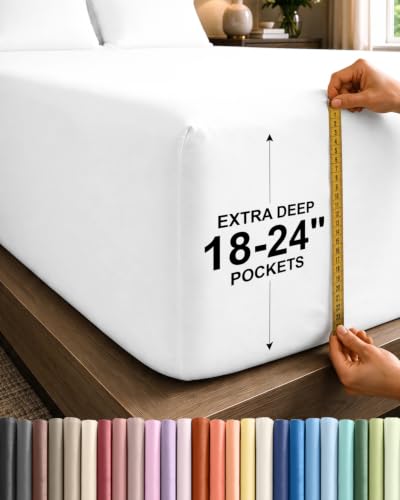
Before browsing any product pages, take a few minutes to measure your mattress accurately. Place a tape measure flat against the side of your mattress from the bottom edge to the top surface. If you use a mattress topper or a thick mattress pad, measure the combined height — this is your true mattress profile.
- Low-profile (8–10 inches): Standard fitted sheets generally work, but some entry-level options may have excess fabric that bunches.
- Standard (11–14 inches): Most queen fitted sheets are designed for this range and will fit securely.
- Deep-pocket (15–18 inches): You will need sheets explicitly labeled as deep pocket or extra deep pocket.
- Extra-deep (19+ inches): Look for specialty sheets or those designed for adjustable beds and pillow-top mattresses.
If your mattress falls at the upper end of a depth range, always choose the next tier up. A slightly loose sheet can be tucked, but a sheet that is too tight will pop off corners repeatedly and wear out faster. For more tips on mattress care and longevity, see our guide on when to replace your mattress.
Choosing the Right Fabric for Your Queen Fitted Sheet
The material of your fitted sheet determines breathability, durability, and how it feels against your skin. Here is a breakdown of the most common options, ranked by tier within their category rather than by any numerical figure.
Cotton: The Classic Choice
Cotton remains the most popular material for bedding because it balances comfort, durability, and ease of care. Within cotton, there are several variations worth knowing:
Percale
A crisp, matte finish with a cool hand feel. Percale is breathable and ideal for warm sleepers. It softens with each wash but maintains a structured drape.
Sateen
Woven with a silkier finish that feels smooth and slightly luminous. Sateen is a mid-tier choice for those who prefer a softer, more fluid fabric against the skin.
Egyptian & Pima Cotton
Long-staple cottons that produce a premium, durable sheet. These are top-tier options known for their longevity and resistance to pilling over many wash cycles.
Organic Cotton
Grown without synthetic pesticides. Organic options are increasingly available in the mid-range and premium tiers, offering a natural choice for eco-conscious shoppers.
Linen: Breathable and Textured
Linen fitted sheets are highly breathable and naturally temperature-regulating, making them excellent for hot sleepers or warmer climates. They have a distinct textured feel and a relaxed, lived-in appearance. Linen tends to be positioned in the premium to luxury tiers due to the complexity of its production, but its durability means it can be a long-term investment when cared for properly.
Microfiber and Blends: Practical Options
Microfiber and cotton-polyester blends offer a smooth surface and resist wrinkling. They are often entry-level or mid-range options that are easy to maintain and quick to dry. While they may not breathe as well as natural fibers, they are a solid choice for guest rooms or for those who prioritize low-maintenance bedding.
Construction Details That Affect Fit and Comfort
Two fitted sheets in the same fabric can perform very differently depending on how they are constructed. Pay attention to these details:
- Elastic placement: Some fitted sheets have elastic only at the corners, while others feature a continuous elastic band around the entire hem. A full-perimeter elastic is generally more secure, especially on thicker mattresses.
- Corner reinforcement: Quality sheets often reinforce the corner seams where most strain occurs. This is a mark of durable construction that extends the life of the sheet.
- Stitching quality: Look for even, tight stitching with no loose threads. Double-stitched hems are a sign of careful manufacturing.
- Labeling: A clear label indicating the size and depth range helps you reorder the same model later without guesswork.
A well-constructed fitted sheet will stay taut through repeated use and washing. If you frequently wake up to a sheet that has come loose, the issue is likely construction or an incorrect depth rating rather than your sleeping habits.
Fabric Comparison at a Glance
Use the table below to compare the most common fitted sheet materials across key characteristics. The tier column reflects general market positioning, not any specific numerical figure.
| Fabric | Tier | Breathability | Softness | Durability | Best For |
|---|---|---|---|---|---|
| Percale Cotton | Mid-range | High | Crisp | High | Warm sleepers, classic feel |
| Sateen Cotton | Mid to Premium | Moderate | Smooth | High | Those who prefer a silky feel |
| Egyptian / Pima Cotton | Premium to Luxury | High | Very soft | Very high | Long-term use, luxury feel |
| Linen | Premium to Luxury | Very high | Textured | Very high | Hot climates, relaxed aesthetic |
| Microfiber | Entry-level | Low to Moderate | Very smooth | Moderate | Low-maintenance, guest rooms |
| Cotton-Poly Blend | Entry to Mid-range | Moderate | Smooth | Moderate to High | Wrinkle resistance, easy care |
Caring for Your Queen Fitted Sheet
Proper care extends the life of any fitted sheet and helps maintain its fit. Follow these general guidelines for most cotton and linen sheets:
- Wash in cold or warm water on a gentle cycle to reduce fiber stress.
- Avoid overloading the washing machine; sheets need room to move for a thorough clean.
- Use a mild detergent and avoid fabric softeners, which can coat the fibers and reduce breathability.
- Tumble dry on low heat and remove promptly to minimize wrinkling. Line drying is ideal for linen and extends longevity.
- Rotate between two sets of sheets to reduce wear on any single set.
If you notice your fitted sheet is becoming loose or the elastic is losing tension, it may be time to replace it. The same principle applies to your mattress — see our guide on mattress replacement signs for related information.
Your Pre-Purchase Checklist
Before you finalize your choice, run through this quick checklist to ensure you are making a well-informed decision:
- Measure your mattress depth and add the height of any topper or pad.
- Confirm the sheet's pocket depth range matches your measurement.
- Choose a fabric that suits your temperature preferences and care routine.
- Check the elastic construction — full perimeter is preferable for thick mattresses.
- Read the care label to ensure the washing instructions fit your lifestyle.
- Consider buying two sets so you always have a fresh sheet while one is in the wash.
- Verify the return policy in case the fit is not as expected.
For a broader look at coordinating your bedding, explore our guides on bed sheets and queen bedspread sets to build a cohesive sleep environment.
Ready to explore your options? Browse our curated selection of queen fitted sheets below, or continue reading our FAQ section for answers to common questions.
VIEW RECOMMENDED PRODUCTSFrequently Asked Questions
How do I know if my mattress needs a deep-pocket fitted sheet?
Measure your mattress height including any topper. If the total is 15 inches or more, choose a deep-pocket fitted sheet. Standard sheets are typically designed for mattresses up to 14 inches, though specifications vary by brand.
What is the difference between a fitted sheet and a flat sheet?
A fitted sheet has elasticized corners that grip the mattress and stay in place. A flat sheet is a simple rectangular panel that you tuck under the mattress or use as a top layer. Most sheet sets include both, but fitted sheets are also sold individually.
How often should I replace my fitted bedsheet?
With regular washing and rotation between two sets, a quality fitted sheet can last several years. Replace it when the elastic loses tension, the fabric thins or pills significantly, or the sheet no longer stays securely on the corners.
Can I use a queen fitted sheet on a full-size mattress?
It is not recommended. A queen sheet is wider and longer than a full-size mattress, so it will bunch and fail to stay taut. Always match the sheet size to your mattress size for the best fit and comfort.
Are more expensive sheets always better?
Not necessarily. Higher-tier sheets often use longer-staple fibers and more durable construction, but the best choice depends on your priorities. A mid-range percale may suit a warm sleeper better than a luxury sateen. Focus on fabric type, fit, and construction rather than tier alone.
Final Thoughts
Choosing a fitted bedsheet queen size is a decision that combines practical measurement with personal preference. By understanding your mattress depth, selecting a fabric that matches your sleep environment, and paying attention to construction details, you can find a sheet that stays in place, feels comfortable, and lasts for years.
Take your time, use the checklist above, and do not hesitate to consult the product recommendations below. A well-chosen fitted sheet is a small but meaningful step toward better rest — and better mornings.