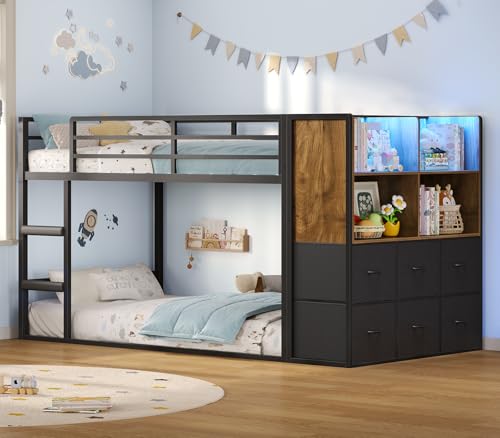
Low Bunk Beds for Small Rooms: The Ultimate Space-Saving Solution
Maximize every inch of your compact bedroom with a low-profile bunk bed. Safe, stylish, and designed for low ceilings and tight spaces.
If you're dealing with a small room but need sleeping space for two, a low bunk bed is the smartest solution. Unlike standard bunk beds that can tower over 6 feet, low bunk beds are designed with reduced height—typically under 50 inches—making them perfect for rooms with low ceilings, sloped attics, or children's bedrooms where safety is a top priority.
These beds offer all the functionality of traditional bunks—sleeping capacity, storage potential, and playful design—without overwhelming the space. Whether you're furnishing a small apartment, a kids' room, or a guest room, a low bunk bed lets you sleep two comfortably while keeping the room feeling open and airy.
Why Choose a Low Bunk Bed?
Low bunk beds are more than just a bed—they're a smart design choice for modern living. Here's why they're the best option for small rooms:
Ceiling Clearance
Perfect for rooms with ceilings under 8 feet. No more bumping heads or feeling cramped.
Safer for Kids
Lower height means shorter falls and easier climbing, making them ideal for younger children.
Visual Space
Low profile doesn't dominate the room, keeping it feeling open and less cluttered.
Multi-Functional
Many models include storage drawers, trundles, or even desks underneath.
Beyond practicality, low bunk beds come in a variety of styles—from solid wood bunk beds for sale to modern metal frames—so you can find one that matches your decor while solving your space challenges.
What to Look for in a Low Bunk Bed
When shopping for the perfect low bunk bed for a small room, keep these key factors in mind:
- Height: Measure your ceiling height. A true low bunk bed is typically 48–54 inches tall. For very low ceilings, consider shorty bunk beds with storage that stand under 45 inches.
- Mattress Thickness: Because the top bunk is lower, you'll need a thinner mattress (6–8 inches) to maintain safe guardrail height. Many twin comforters for bunk beds are designed specifically for this.
- Material: Solid wood offers durability and warmth, while metal frames are lightweight and often more affordable. Explore solid wood bunk beds for sale for long-lasting quality.
- Weight Capacity: Check the manufacturer's limit. Even low bunks need to safely support both children and adults.
- Storage: Look for integrated drawers, shelves, or trundles to maximize functionality in tight spaces. Single bunk beds with storage are a great option.
Best Configurations for Tight Spaces
Choosing the right configuration can make or break your small room layout. Here are the most popular low bunk bed setups:
- Twin Over Twin: The classic and most common. Two twin mattresses stacked low. Ideal for kids sharing a room or for shorty bunk beds with storage.
- Twin Over Full: A wider bottom bunk provides more sleeping space or can double as a lounging area. Great for guest rooms. See our guide on grey twin over twin bunk beds for style ideas.
- L-Shaped: Beds are arranged in an L-shape, often with storage or a desk in the corner. Saves floor space while offering distinct sleeping areas.
- With Trundle: A third bed that pulls out from under the bottom bunk. Perfect for sleepovers or when you need extra flexibility. Check day beds with trundle on sale for similar functionality.
For rooms with sloped ceilings, bunk beds for sloped ceilings are specifically engineered to fit awkward angles, ensuring safety and stability.
Safety First: Tips for Low Bunk Beds
Even though low bunk beds are safer than traditional high bunks, safety should never be overlooked:
- Guardrails: Ensure the top bunk has guardrails on all sides, with a gap no wider than 3.5 inches.
- Ladder: The ladder should be sturdy and angled for easy climbing. For younger kids, consider a model with extra-wide steps.
- Weight Limit: Never exceed the recommended weight capacity for either bunk.
- Ceiling Clearance: Leave at least 2 feet of space between the top mattress and the ceiling to prevent bumps.
- Age Recommendations: Children under 6 years old should not use the top bunk, regardless of height.
For additional peace of mind, look for beds that meet ASTM safety standards. Many modern bunk beds with storage include built-in safety features like rounded corners and non-slip ladder rungs.
Styling Your Low Bunk Bed for Maximum Appeal
A low bunk bed doesn't have to look utilitarian. With the right bedding and accessories, it can become the focal point of your room:
- Bedding: Choose lightweight quilts or comforters that are easy to make. King size patchwork bedspread styles can add a cozy, handmade feel.
- Pillows: Decorative pillows or themed pillowcases can add personality without taking up too much space.
- Under-Bed Storage: Use rolling storage bins or baskets to keep extra linens, toys, or out-of-season clothes organized.
- Lighting: Clip-on reading lights or fairy lights along the guardrail create a warm, inviting atmosphere.
- Color Coordination: Match the bed frame color with your room's palette. For a modern look, black and white bedside table accents pair perfectly with dark wood or metal frames.
Who Benefits Most from a Low Bunk Bed?
Low bunk beds are incredibly versatile. Here's who will love them the most:
- Families with Young Children: Safety and accessibility are top priorities. Low bunks let kids climb up and down independently.
- Apartment Dwellers: Maximize limited square footage without sacrificing style. Types of beds for small rooms includes low bunks as a top recommendation.
- Guest Rooms: Host more guests in comfort. A twin-over-full low bunk offers flexible sleeping for couples or singles.
- College Dorms & Bunkhouses: Low bunks are perfect for shared spaces where ceiling height is restricted.
- Weekend Home Owners: Make the most of every inch in your cabin or vacation home with comfortable space saving beds.
Frequently Asked Questions
Q: What is the typical height of a low bunk bed?
A: Most low bunk beds range from 48 to 54 inches in height. Some ultra-low models (shorty bunks) are under 45 inches.
Q: Can adults sleep on low bunk beds?
A: Yes, as long as the weight capacity supports adult weight. Many high-end bunk beds for adults are designed with sturdier materials and higher weight limits.
Q: Are low bunk beds safe for toddlers?
A: Yes, but the top bunk is generally not recommended for children under 6 years old. For toddlers, consider a low bunk with a trundle or a day bed with trundle instead.
Q: What size mattress fits a low bunk bed?
A: Standard twin or full mattresses fit most low bunks. However, because the top bunk is lower, you may need a thinner mattress (6–8 inches) to ensure the guardrail remains effective.
Q: How much floor space do I need for a low bunk bed?
A: For a standard twin-over-twin low bunk, you'll need at least 7 feet of floor length and about 4 feet of width. Always measure your room and account for clearance around the bed.
Q: Can I add storage to a low bunk bed?
A: Absolutely. Many low bunk models come with built-in drawers or shelves. You can also add rolling storage bins or a single bunk bed with storage for extra organization.
Final Tips for Buying a Low Bunk Bed
Ready to choose your low bunk bed for a small room? Here are a few final tips to ensure you make the best decision:
- Measure Twice: Double-check your room dimensions, ceiling height, and doorways to ensure the bed will fit and can be delivered.
- Read Reviews: Look for customer feedback on stability, assembly, and durability. Real-world experiences can highlight potential issues.
- Consider Delivery & Assembly: Some retailers offer white-glove delivery and assembly, which can be a lifesaver for bulky items.
- Think Long-Term: Choose a bed that can grow with your needs. A solid wood bunk bed can be repurposed as two separate twin beds later on.
With the right low bunk bed, your small room can be both functional and beautiful. Browse our top recommendations below and find the perfect fit for your home.