Metal Bunk Beds with Storage: The Complete Space-Saving Buying Guide
Everything you need to know about choosing a durable, smartly designed metal bunk bed with built-in storage — perfect for shared bedrooms, guest rooms, and compact living spaces.
Why Choose Metal Bunk Beds with Storage
Metal bunk beds with storage solve one of the most common bedroom challenges: fitting two sleepers and their belongings into a limited footprint. By stacking sleeping platforms vertically and integrating drawers, shelves, or stair compartments, these beds turn unused space into functional storage.
Compared with wooden bunk beds, metal frames often offer a slimmer profile, a more contemporary look, and efficient use of vertical space. A well-built metal bunk bed combines sturdy high-grade steel construction with smart storage features, making it a practical long-term investment for families, students, and anyone furnishing a compact room.
Editor's note: Storage-integrated bunk beds are especially valuable in rooms where a separate dresser or shelving unit would crowd the floor. The storage becomes part of the bed's footprint, not an addition to it.
Core Advantages at a Glance
- Space efficiency: Two sleeping areas plus storage in a single footprint.
- Decluttered floors: Drawers and shelves keep clothes, toys, and linens hidden away.
- Durable materials: High-grade steel frames resist warping and hold up to daily use.
- Versatile styling: Clean metal lines suit modern, industrial, and transitional bedrooms.
- Long-term value: A solid frame with reinforced joints is a worthwhile investment for growing families.
Types of Storage Solutions in Metal Bunk Beds
Not all storage is created equal. The right configuration depends on what you need to store and how much floor space you can dedicate. Here are the most common storage styles found in metal bunk beds.
1. Under-Bunk Drawers
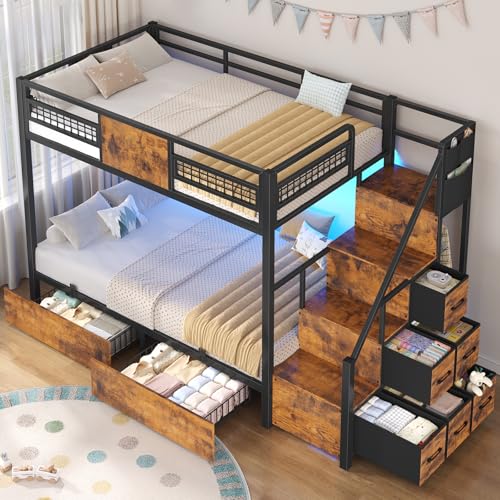
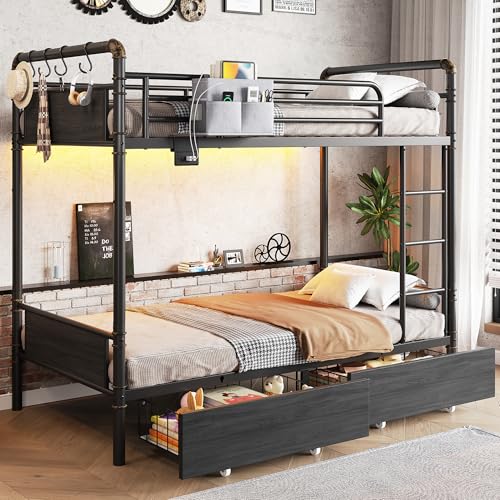
Drawers built beneath the lower bunk are the most popular storage option. They slide out like a dresser and are ideal for clothing, bedding, or toys. Look for drawers with smooth glides and reinforced bases, since loaded drawers place stress on the frame.
2. Stair Storage
Stair-style bunk beds replace a traditional ladder with a set of steps, and each step can double as a storage compartment. This configuration is excellent for younger children and anyone who prefers a safer climb. Stair storage also adds a tidy, built-in look.
3. Shelving Units and Side Compartments
Some frames include open shelves or enclosed cubbies attached to the side or end of the bed. These are handy for books, alarm clocks, and small personal items, and they keep the sleeping area free of clutter.
4. Combined Drawer and Shelf Configurations
Hybrid designs pair drawers with open shelving so you can separate folded clothing from display or frequently used items. This is often the most flexible layout for a shared bedroom.
| Storage Type | Best For | Considerations |
|---|---|---|
| Under-bunk drawers | Clothing, bedding, toys | Check drawer glide quality and load rating |
| Stair storage | Families with younger children | Requires more floor depth than a ladder |
| Side shelving | Books, small personal items | Open shelves collect dust more easily |
| Combined drawer + shelf | Shared bedrooms, versatile needs | Largest footprint of the storage options |
If storage is your priority but you are working with a very tight room, you may also want to explore broader loft beds with storage, which raise the sleeping platform higher and free up even more floor area below.
Key Features to Look For
When you are comparing models, focus on the details that determine safety, durability, and long-term comfort. These are the features that separate a well-engineered frame from a flimsy one.
Frame Construction and Material
Look for a frame made from high-grade steel with a rust-proof finish or powder-coated surface. Reinforced joints, thick tubular posts, and cross-bracing at the back and sides indicate a solid build. A heavy-duty frame will resist wobbling and remain stable through years of use.
Weight Capacity per Bunk
Every bunk has a stated weight limit, and the top and bottom bunks may differ. Check both ratings and confirm they suit the intended sleepers. Premium and commercial-grade frames generally offer the highest capacities, while entry-level models are better suited to lighter loads and occasional use.
Guardrails and Ladder or Stairs
The top bunk should have full-length guardrails on both sides, with a gap no larger than the recommended safety standard. The ladder or stair system must be firmly attached and easy to grip. A wider step surface is a meaningful upgrade for comfort and safety.
Storage Hardware
If the model includes drawers, test the glides and check that the drawer boxes are reinforced. Metal drawer slides tend to be more durable than basic plastic tracks. Also verify that the storage components do not reduce legroom or interfere with the mattress support.
Mattress Support
Metal bunk beds typically use a metal slat system or a wire mesh base. Ensure the support surface is closely spaced to prevent mattress sagging, and confirm that the frame accommodates the mattress thickness recommended by the manufacturer.
Tier Guide: Entry-Level to Premium
To compare options fairly without referencing absolute figures, we use a universal tier system based on market positioning, build quality, and feature depth. Use these tiers as a relative guide when evaluating different models.
Essential Tier
Basic steel frames with simple slat support and minimal storage, often a single under-bunk drawer or open shelf. Best for occasional use, guest rooms, or light-duty setups where the primary goal is space saving.
Balanced Tier
Reinforced frames with thicker posts, smoother drawer glides, and more generous storage configurations. A solid choice for everyday use in family homes, with noticeably better stability than entry-level models.
High-End Tier
Heavy-duty construction with precision-welded joints, premium powder-coated finishes, and thoughtfully designed storage such as stair compartments or multi-drawer units. Built for daily, long-term use.
Flagship Tier
Top-tier frames with commercial-grade steel, exceptional weight ratings, and refined details like noise-dampening joints and full storage suites. An investment piece designed to last for many years.
How to use this guide: A mid-range model often delivers the best balance of durability and storage capacity for most households. Step up to premium or flagship tiers if the bed will be used daily by heavier sleepers or if you want the smoothest drawer action and the most refined finish.
Safety and Assembly Essentials
Bunk beds are safe when installed and used correctly. A few preventive steps make a significant difference.
- Follow the weight limits: Never exceed the rated capacity for either bunk, and do not allow multiple sleepers on the top bunk.
- Secure the guardrails: Confirm that guardrails are fully seated and locked before use, and check them periodically for looseness.
- Attach the ladder or stairs: The access system should be fixed to the frame and not removable during use.
- Place on a level floor: Use a level surface and, if the frame includes floor-protection caps, keep them in place to prevent scratches and slipping.
- Check age suitability: Follow the manufacturer's minimum age recommendation for the top bunk, and supervise younger children.
Assembly Tips
Most metal bunk beds ship flat and require assembly. Set aside enough time, recruit a second person to help align the frame sections, and sort hardware before starting. Tighten bolts in stages rather than fully tightening each one immediately — this helps the frame settle evenly. Re-check all fasteners after the first week of use.
Choosing the Right Mattress
The mattress you pair with a metal bunk bed affects both comfort and safety. On the top bunk, the mattress must sit low enough that the sleeper stays below the guardrail. Always check the manufacturer's maximum mattress height before buying.
For bunk beds, a supportive mattress with a medium-firm feel generally works well — it resists sagging, holds its shape, and provides consistent support on a metal slat base. If you are comparing options, our mattress buying guide and mattress comparison resources can help you match firmness and material to the sleeper's preferences.
Quick tip: Avoid overly thick pillow-top mattresses on the top bunk. A lower-profile mattress keeps the guardrail effective and makes climbing in and out easier.
Who Should Buy a Metal Bunk Bed with Storage
These beds are a strong fit for a range of households and room types:
- Shared children's bedrooms: Two sleepers plus clothing storage in one compact footprint.
- Guest rooms and vacation homes: Flexible sleeping capacity that stays tidy when not in use.
- Dormitories and student housing: Durable frames that stand up to frequent use.
- Small apartments: Vertical space and hidden storage reduce clutter in tight layouts.
- Multi-purpose rooms: A bunk bed with storage frees up floor area for play, study, or seating.
If you are furnishing a room for teenagers or adults, you may also want to compare loft bunk beds for adults, which often provide higher clearance and larger storage zones underneath.
Frequently Asked Questions
What are the benefits of metal bunk beds with storage?
Metal bunk beds with storage combine two beds into one footprint while adding built-in drawers, shelves, or stair compartments. They are ideal for small bedrooms, shared rooms, and guest spaces because they maximize vertical and hidden storage without requiring additional furniture.
Are metal bunk beds with storage safe for children?
Yes, when assembled correctly and used according to the manufacturer's weight limits and age recommendations. Look for reinforced guardrails, a sturdy ladder or stair system, and a high-grade steel frame. Always check that the top bunk has full-length guardrails on both sides and that the ladder is firmly attached.
How much weight can a metal bunk bed with storage hold?
Weight capacities vary by model and tier. Entry-level frames typically support lighter loads, while mid-range and premium models with reinforced steel construction often hold significantly more per bunk. Always verify the specific weight rating for each bunk before purchasing, and never exceed the manufacturer's stated limits.
What mattress thickness works best with metal bunk beds with storage?
Most metal bunk beds are designed for standard twin or full mattresses with a thickness that keeps the sleeper safely below the guardrail on the top bunk. Check the manufacturer's maximum mattress height recommendation. A supportive, medium-firm mattress generally works well for bunk bed use.
Do metal bunk beds with storage require assembly?
Yes, most metal bunk beds with storage ship disassembled and require assembly. The process typically involves attaching frame sections, guardrails, ladders or stairs, and storage components. Having two people and following the included instructions carefully makes assembly smoother and safer.
Ready to Compare Models?
Browse our curated selection of metal bunk beds with storage below. Each option is presented with the details you need to compare features, storage capacity, and construction quality.
Explore Recommended Models