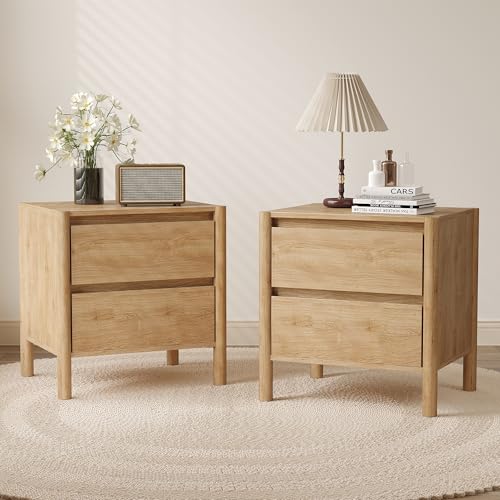
Oak Bedside Table with Drawers: The Complete Buying Guide
Everything you need to know before choosing a solid oak or oak veneer nightstand with drawers — from wood grades and drawer mechanics to sizing, styling, and long-term care.
Explore Recommended OptionsWhy an oak bedside table with drawers deserves your attention: Oak is one of the most trusted hardwoods in furniture making. It is dense, resistant to wear, and showcases a natural grain pattern that brings warmth to any bedroom. Adding drawers turns a simple nightstand into a functional storage hub for books, chargers, glasses, and nighttime essentials. This guide walks you through every decision — material quality, drawer construction, size, finish, and style — so you can buy with confidence.
Why Choose Oak for a Bedside Table
Oak has been a furniture staple for centuries, and for good reason. Its tight grain structure gives it impressive strength, while the natural figuring — from straight cathedral grain to decorative medullary rays — makes every piece visually distinct. For a bedside table, oak offers three practical advantages:
Durability That Lasts
Oak is a dense hardwood that resists dents, scratches, and everyday wear. A well-built oak table can serve for decades, making it a long-term investment rather than a disposable purchase.
Warm, Timeless Aesthetic
The golden-to-honey tones of oak blend beautifully with neutral, rustic, coastal, and modern bedroom palettes. It never looks out of place.
Stable Structure
When properly kiln-dried, oak resists warping and shrinking. That means drawers keep sliding smoothly and joints stay tight over time.
If you are building a cohesive bedroom, oak pairs naturally with other wooden pieces. You can extend the look with a complete oak bedroom set or complement your nightstand with a small bedside chest of drawers for extra capacity.
Solid Oak vs. Oak Veneer: Understanding the Difference
This is the single most important material decision you will make. Both options are valid, but they serve different needs and occupy different positions in the market.
| Consideration | Solid Oak | Oak Veneer over Engineered Wood |
|---|---|---|
| Tier | Premium to luxury | Entry-level to mid-range |
| Durability | Excellent; can be sanded and refinished multiple times | Good; surface can be refinished once, if at all |
| Weight | Heavy and solid; stays firmly in place | Lighter and easier to move |
| Moisture behavior | Stable when sealed, but expands and contracts naturally | Engineered core is highly dimensionally stable |
| Grain appearance | Continuous grain through the piece | Real oak surface; edges may show a veneer line |
| Best for | Buyers seeking a lifetime piece and authentic craftsmanship | Buyers who want the oak look with a lighter footprint and balanced tier |
Solid oak construction signals a high-end tier or flagship-tier product. Veneer tables sit comfortably in the essential and balanced tiers and are a solid choice for guest rooms, rentals, or first apartments. Neither is "better" in absolute terms — the right pick depends on how long you plan to keep the piece and how much authentic grain character matters to you.
Drawer Types and Storage Capacity
The drawer is the functional heart of your bedside table. Here is what to look for:
Single Drawer
Best for minimalists. Typically paired with an open shelf or lower cubby. Keeps the silhouette clean and the table compact — ideal for small bedrooms.
Two Drawers
The most popular configuration. One shallow top drawer for glasses and chargers, one deeper lower drawer for books or a tablet. Balanced tier of storage and proportion.
Three Drawers
Maximum capacity in a nightstand footprint. Suits readers, people with medical devices, or anyone who likes a clutter-free tabletop. Look for dovetail joints at this tier.
Drawer Mechanics Matter
Beyond the count, inspect the mechanism. Wood-on-wood runners are traditional and quiet but can bind over time. Ball-bearing metal slides offer smooth, full-extension movement and are the standard for mid-range and premium pieces. Soft-close dampers prevent slamming and protect the drawer front — a feature worth prioritizing if the table sits beside a sleeping partner.
Joint construction is equally telling. Dovetail joints interlock mechanically and signal professional-grade craftsmanship. Stapled or glued butt joints are common at the entry-level tier and are acceptable for light use, but they will loosen faster under daily load. If your table needs to double as serious storage, consider a compact drawer-focused design or a narrow wooden nightstand for tight spaces.
Choosing the Right Size and Fit
Proportion is everything in a bedroom. A table that is too tall looks awkward beside the bed; one that is too wide crowds the walking path. Use these guidelines:
- Height: The tabletop should sit level with or slightly below the mattress top — usually 22 to 26 inches from the floor for a standard bed.
- Width: 18 to 24 inches is the sweet spot for most bedrooms. Measure the gap between the bed and the wall before ordering.
- Depth: 15 to 18 inches keeps the table useful without blocking access to the bed. Deeper tables suit large bedrooms and king beds.
- Clearance: Leave at least 24 inches of walking space between the table and any doorway or wardrobe.
- Bed height match: If your bed is unusually high or low, explore adjustable or floating options. A floating bedside shelf with drawer is a smart solution for tight floor space.
For smaller rooms, a small bedside chest of drawers can replace a full dresser and free up floor area. If your bed is a larger size, remember that proportion scales — a queen or king bed benefits from a wider nightstand, and a dark wood narrow bedside table can work beautifully when wall space is limited.
Finishes and Bedroom Styles
Oak accepts a wide range of finishes, each shifting the character of the piece:
Natural / Clear Lacquer
Shows the raw golden grain. Perfect for Scandinavian, Japandi, and minimalist bedrooms where light wood tones dominate.
Whitewashed Oak
A soft, pale finish that brightens compact rooms. Pairs well with coastal and cottage styles and blends with white bedding schemes.
Smoked or Dark Oak
Deep brown tones with rich grain contrast. A natural fit for traditional, industrial, and mid-century modern bedrooms.
Consider the surrounding palette. White and gold accents, for instance, pair elegantly with warm oak. If you prefer a country feel, country-style bedside tables often use oak with turned legs and distressed finishes. For a bolder look, a white table with gold handles can sit alongside oak pieces in an eclectic mix.
Finally, think about the full bed setup. A gold bedstead or an oak bedroom set provides an anchor; the nightstand should feel like part of the same family, even if it is not an exact match.
Quality Checklist Before You Buy
- Wood grade: Look for kiln-dried oak with a moisture content between 6% and 8% — this minimizes warping.
- Joinery: Dovetail drawer boxes and mortise-and-tenon frame joints indicate professional-grade construction.
- Drawer slides: Metal ball-bearing slides with soft-close action are the benchmark for mid-range and premium tables.
- Finish quality: A smooth, even finish with no drips or rough patches protects the wood and reflects careful manufacturing.
- Stability: The table should not wobble. Check for leveling feet or a solid base frame.
- Back panel: A finished back panel means the table can sit away from the wall, which matters in open bedroom layouts.
- Hardware: Solid metal handles and knobs outlast plated or plastic alternatives.
Use the tier system as a quick filter: entry-level tables typically use veneer and stapled joints; mid-range tables add metal slides and better veneers; premium and luxury tables deliver solid oak, dovetail joints, and hand-finished surfaces. Choose the tier that matches how heavily the table will be used and how long you intend to keep it.
Care and Maintenance Tips
Oak is forgiving, but a little routine care goes a long way:
- Dust weekly with a soft, dry microfiber cloth to prevent grit from scratching the finish.
- Wipe spills immediately with a slightly damp cloth, then dry thoroughly — standing water is the enemy of any wood.
- Use a pH-neutral wood cleaner monthly; avoid ammonia-based products and abrasive pads.
- Keep the table out of direct sunlight to prevent uneven fading; rotate decorative items occasionally.
- Check drawer slides every few months and apply a silicone lubricant if movement becomes stiff.
- Use felt pads under lamps and decorative objects to protect the tabletop.
- Maintain indoor humidity between 40% and 60% to keep the wood stable through seasonal changes.
With basic care, a quality oak bedside table with drawers will outlast several rounds of bedding and decor changes — a worthwhile investment in the long run for any bedroom.
Frequently Asked Questions
Is solid oak better than oak veneer for a bedside table?
Solid oak offers superior durability and a premium feel, making it a long-term investment for high-traffic use. Oak veneer over engineered wood delivers a similar visual appeal and stable structure at a more accessible position in the market, making it a solid choice for the entry-level and mid-range tiers.
How many drawers should an oak bedside table have?
A single drawer is ideal for minimalists who need space for essentials. Two or three drawers suit those who store books, chargers, and personal items. If you need extra storage, consider pairing your table with a small bedside chest of drawers for a coordinated setup.
What size oak bedside table fits a standard bed?
A good rule is to keep the tabletop roughly level with or slightly below the mattress top. For most beds, a width between 18 and 24 inches works well, but always measure your space first. Narrower options are available for compact rooms, and you can also explore floating bedside tables if floor space is limited.
How do I care for an oak bedside table with drawers?
Dust regularly with a soft cloth and use a mild wood cleaner designed for oak. Avoid harsh chemicals and prolonged direct sunlight. Check drawer glides periodically and tighten hardware as needed to keep the piece functioning smoothly for years.
Can an oak bedside table work in a small bedroom?
Yes. A compact oak table in the 16-to-20-inch width range fits most small bedrooms. If floor space is very limited, a floating bedside shelf with drawer or a narrow wooden nightstand can deliver the same oak character without taking up precious floor area.
Bottom line: An oak bedside table with drawers is a smart, durable addition to any bedroom. Prioritize solid construction, smooth drawer mechanics, and a finish that matches your bedroom's palette. Choose the tier that fits your usage and keep it well maintained — the result is a nightstand that looks beautiful and works hard for years to come.