Reclaimed Wood Bedside Table: Complete Buying Guide
Everything you need to know about choosing a rustic, eco-friendly nightstand that adds character, durability, and warmth to your bedroom.
Why reclaimed wood? A reclaimed wood bedside table brings together sustainability, history, and timeless rustic charm. If you are in the research stage and want to understand materials, construction, styles, and how to match one to your bedroom, this guide walks you through every decision point before you buy.
What Exactly Is a Reclaimed Wood Bedside Table?
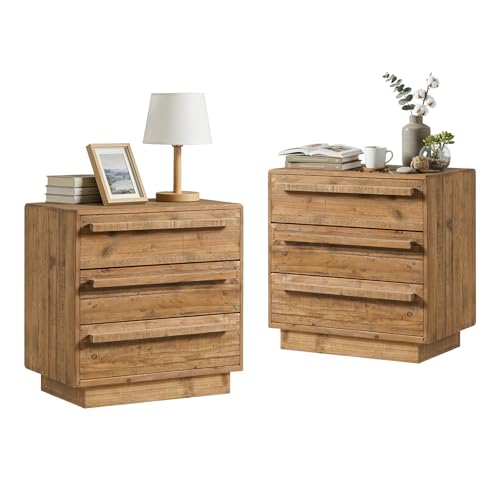
A reclaimed wood bedside table is a nightstand built from timber that has already served a previous life — think old barns, factories, warehouses, ships, or vintage furniture. Instead of being discarded, the wood is cleaned, treated, and repurposed into furniture. Each piece carries unique grain patterns, nail holes, knots, and weathered textures that simply cannot be replicated in newly milled lumber.
Because no two boards are identical, every reclaimed wood nightstand is essentially a one-of-a-kind piece. This authenticity is a big part of the appeal for anyone who wants a bedroom that feels personal and grounded rather than mass-produced. If you are building a broader rustic theme, this pairs beautifully with a rustic bedroom design approach.
Key Benefits of Choosing Reclaimed Wood
Unique Character
Every board tells a story. Natural weathering, saw marks, and aged grain give each table a distinct appearance that adds personality to your space.
Eco-Friendly Choice
Reusing existing timber reduces demand for newly harvested wood, making reclaimed furniture a more sustainable option for environmentally conscious buyers.
Dense, Durable Timber
Old-growth wood from demolished structures is often denser and more stable than modern lumber, resulting in furniture with excellent longevity.
Versatile Styling
Reclaimed wood fits rustic, farmhouse, industrial, coastal, and even modern transitional interiors — it adapts to your decor rather than limiting it.
Solid Build Quality
Well-made reclaimed tables typically use solid wood construction with reinforced joinery, which translates to sturdy, wobble-free support over time.
Timeless Appeal
The weathered look does not go out of style. A quality reclaimed piece can stay relevant in your bedroom for decades without feeling dated.
Common Woods Used in Reclaimed Nightstands
The type of reclaimed timber affects both appearance and durability. Here are the most common options you will encounter:
- Reclaimed Pine — softer grain, warm tone, and widely available. Works well for entry-level to mid-range pieces and takes finishes easily.
- Reclaimed Oak — dense, heavy, and highly durable with prominent grain patterns. A strong choice for premium and long-term-use furniture.
- Reclaimed Barnwood — deeply weathered with visible knots and nail holes; maximum rustic character, often pine or mixed species.
- Reclaimed Teak — naturally oil-rich and moisture-resistant, ideal for humid climates and high-end tier construction.
- Reclaimed Elm and Mixed Hardwoods — prized for distinctive grain and strength; commonly found in vintage-style and artisan-built tables.
If you are comparing natural wood finishes more broadly, our guide to real wood bedside tables covers solid timber construction in more detail.
Quality Tiers: How Reclaimed Nightstands Compare
Reclaimed wood bedside tables vary significantly in construction quality. Use this tier framework to understand what differentiates one from another — without getting caught up in transient numbers.
| Tier | Typical Construction | Best For |
|---|---|---|
| Entry-Level | Reclaimed wood veneer over engineered core; simple hardware; basic joinery. | Renters and first-time buyers wanting the look without a long-term commitment. |
| Mid-Range | Solid reclaimed wood panels with mixed construction; smoother finishes; decent drawer glides. | Most households seeking a balanced mix of character and durability. |
| Premium | Fully solid reclaimed hardwood; reinforced joinery; hand-finished surfaces; quality hardware. | Buyers who want a long-term investment piece and appreciate craftsmanship. |
| Luxury / Artisan | Hand-selected old-growth timber; custom-built joinery; bespoke sizing and finishing. | Design-focused interiors where the nightstand is a statement piece. |
As a rule of thumb, mid-range models typically offer smoother drawer mechanisms and tighter joinery than entry-level options, while premium and luxury tiers prioritize solid construction and hand-finished detail over decorative shortcuts.
Popular Styles and How to Match Them
Reclaimed wood nightstands come in several stylistic directions. Matching the style to your bedroom's overall mood is one of the most important buying decisions.
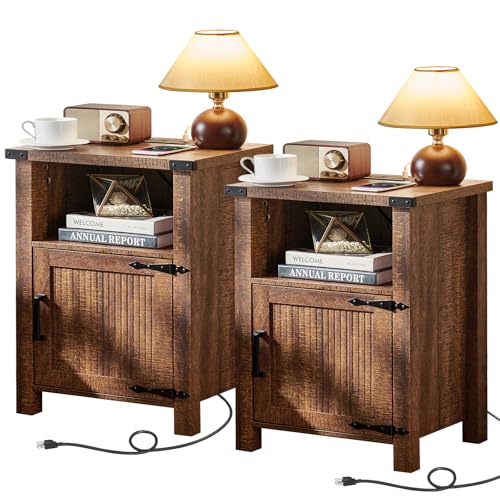
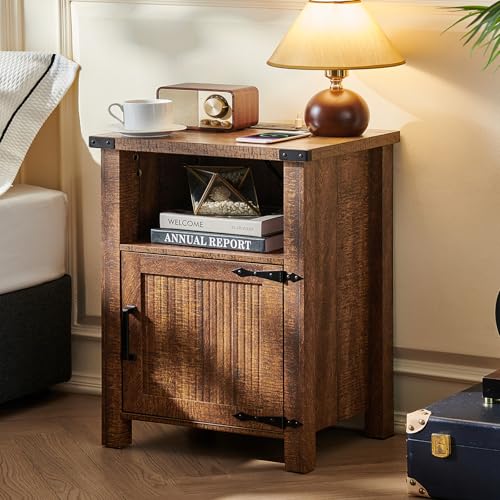
- Farmhouse Rustic — chunky silhouettes, visible knots, and distressed finishes. Pairs with shiplap walls, linen bedding, and warm neutrals.
- Industrial — reclaimed tops combined with blackened metal legs or frames. Great alongside exposed brick and Edison-style lighting.
- Coastal Rustic — lighter whitewashed or driftwood tones with clean lines. Fits airy bedrooms with natural textures and soft blues.
- Modern Transitional — reclaimed wood with minimal handles and straight edges. Balances rustic warmth with contemporary restraint.
- Shabby Chic — painted and gently distressed surfaces for a softer, vintage-inspired look. Explore our shabby chic decor ideas for coordinating accents.
Sizing and Placement Considerations
Before choosing a design, measure your available space and the height of your mattress. A bedside table top should sit roughly level with, or slightly below, the top of your mattress for comfortable reach at night.
- Confirm the table height aligns with your mattress surface after bedding is added.
- Allow at least a few inches of clearance between the table and the wall for airflow and easy cleaning.
- Check drawer extension — the drawer should open fully without hitting your bed or wall.
- For compact rooms, consider a small bedside table or a skinny bedside table to preserve walkway space.
- If storage is a priority, a small bedside table with drawers keeps essentials organized.
Buying Checklist: What to Inspect Before You Commit
Use this checklist to evaluate any reclaimed wood bedside table you are considering — whether online or in person.
- Construction type — confirm whether it is solid reclaimed wood or a veneer over an engineered core.
- Joinery quality — look for dovetail or mortise-and-tenon joints; avoid staples or visible glue blobs.
- Finish and sealing — reclaimed wood should be sealed to prevent splintering and moisture damage.
- Drawer hardware — smooth glides or well-fitted wooden runners indicate better build quality.
- Stability — a well-built table should not wobble; check for level feet or adjustable glides.
- Chemical safety — ask about finishes and whether the wood has been tested for lead and pest treatment residues.
- Weight and density — heavier pieces generally signal denser, more durable hardwood construction.
Caring for Your Reclaimed Wood Nightstand
Reclaimed wood is durable but benefits from consistent care. Dust regularly with a soft, dry cloth and avoid soaking the surface with water. Use a wood-safe cleaner occasionally, and reapply a protective wax or oil finish every few months depending on humidity. Keep the table out of direct, intense sunlight to minimize uneven fading, and use coasters under drinks to prevent ring marks. With basic maintenance, a quality reclaimed piece can last for decades.
Related Bedroom Guides
Frequently Asked Questions
Is reclaimed wood furniture strong enough for daily use?
Yes. Reclaimed timber — especially from old barns and industrial structures — is often denser and more stable than newly milled wood. When properly sealed and constructed with solid joinery, a reclaimed wood bedside table is very durable for everyday use. Thicker boards and reinforced corner joints are signs of a solid build.
How do I clean a reclaimed wood bedside table?
Dust with a soft microfiber cloth weekly. For deeper cleaning, use a slightly damp cloth with a mild wood-safe cleaner, then dry immediately. Avoid harsh chemicals, abrasive pads, and excessive water, which can strip the finish or raise the grain. Reapply a protective wax or oil seasonally to maintain the seal.
Will reclaimed wood match my existing bedroom furniture?
Reclaimed wood works well with rustic, farmhouse, industrial, coastal, and transitional styles. Because each piece has unique grain and texture, it integrates easily with neutral palettes and mixed materials. Pair it with natural fabrics, woven baskets, and warm lighting for a cohesive look.
What size bedside table should I choose?
Measure your space and mattress height first. The table top should be level with or slightly below your mattress. For tight spaces, choose a narrow or small design that leaves walking clearance. If you need storage, look for models with drawers or shelves that still fit within your footprint.
Are reclaimed wood nightstands safe indoors?
Reputable makers clean, treat, and seal reclaimed timber to remove contaminants and stabilize the wood. Ask about the finishing process and pest treatment before buying. Once properly sealed, reclaimed wood furniture is safe for bedroom use.