Single Adjustable Beds for Seniors: Complete Buying Guide
Discover how a single adjustable bed can transform sleep comfort, mobility, and daily independence for elderly sleepers. Learn the essential features, safety considerations, and expert tips to choose the right model with confidence.
EXPLORE KEY FEATURESWhy Single Adjustable Beds Matter for Seniors: As we age, sleep quality and physical comfort become increasingly important—yet traditional flat beds often fail to provide the support that elderly sleepers need. Single adjustable beds offer a practical solution by allowing the head and foot sections to be raised independently, reducing strain on the back, improving circulation, and making it easier to get in and out of bed. Whether you are researching for yourself or a loved one, this guide covers everything you need to make an informed decision.
What Is a Single Adjustable Bed?
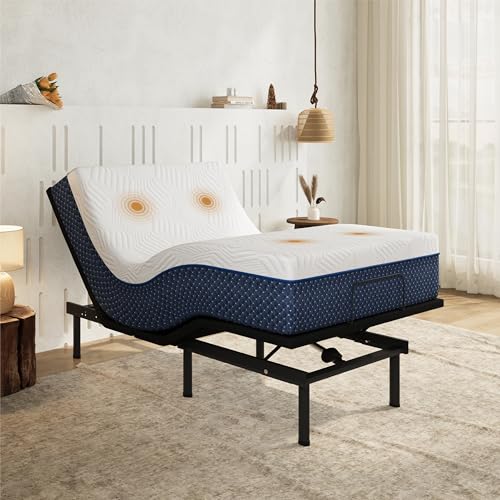
A single adjustable bed—also referred to as a twin adjustable bed—is a bed frame equipped with motorized mechanisms that allow the head and foot sections to be raised or lowered. Unlike hospital beds, which are designed primarily for clinical settings, single adjustable beds for seniors are built for home use and blend functionality with residential aesthetics. They typically measure 38 inches wide by 75 inches long, making them an excellent fit for solo sleepers who want personalized comfort without occupying excessive floor space.
These beds are especially beneficial for elderly individuals who experience limited mobility, chronic pain, or respiratory conditions. By elevating the upper body, seniors can reduce symptoms of acid reflux and sleep apnea, while raising the legs can alleviate swelling and improve circulation. Many modern models also include features like wireless remotes, USB charging ports, and under-bed lighting—thoughtful additions that enhance usability and safety.
Key Features to Look For in Single Adjustable Beds for Seniors
Choosing the right adjustable bed requires careful attention to features that directly impact safety, comfort, and long-term reliability. Below are the most important considerations:
Motorized Head & Foot Adjustment
The core function of any adjustable bed. Look for models with smooth, quiet motors that allow independent positioning of the head and foot sections. Dual-motor systems are generally more versatile than single-motor designs and provide greater flexibility for seniors with specific comfort needs.
Sturdy Frame Construction
A reinforced frame is essential for safety and durability. High-grade steel or solid wood frames with a weight capacity that comfortably exceeds the user's body weight provide stability and peace of mind. Check for anti-slip surfaces and secure locking mechanisms.
Wireless Remote Control
Seniors should be able to adjust their bed without straining or reaching awkwardly. A large-button, easy-to-read wireless remote is ideal. Some premium models offer voice control or smartphone app integration for added convenience.
Emergency Backup & Battery Option
In the event of a power outage, a battery backup system ensures the bed can still be adjusted to a safe, flat position. This is a critical safety feature for elderly users who may be unable to manually lower the bed.
Side Rails and Safety Accessories
Optional side rails provide additional support when getting in and out of bed, reducing the risk of falls. Look for beds that are compatible with adjustable side rails or have built-in attachment points.
Mattress Compatibility
Adjustable beds require a flexible mattress—memory foam, latex, or pocket-spring hybrid models work best. Avoid innerspring mattresses with rigid coil systems, as they may not bend properly and could damage the bed's mechanism.
Benefits of Single Adjustable Beds for Elderly Sleepers
Investing in a single adjustable bed can significantly improve the daily life of a senior. Here are the primary advantages:
- Improved Sleep Quality: Elevating the head can reduce snoring and alleviate symptoms of sleep apnea, while raising the legs promotes circulation and reduces swelling. Seniors often report deeper, more restorative sleep after switching to an adjustable bed.
- Easier Mobility & Independence: The ability to sit up in bed without assistance makes it easier for seniors to get out of bed safely. This independence can boost confidence and reduce reliance on caregivers.
- Pain Relief & Comfort: Adjustable positioning can relieve pressure on the lower back, hips, and shoulders—common problem areas for elderly sleepers. Memory foam mattresses paired with adjustable frames offer exceptional contouring support.
- Medical Condition Management: Conditions such as acid reflux, arthritis, and poor circulation can be managed more effectively with proper bed elevation. Always consult a healthcare professional for medical advice.
- Enhanced Safety: Features like side rails, under-bed lighting, and battery backup reduce the risk of falls and ensure the bed remains functional during power outages.
- Space-Saving Design: A single or twin size fits comfortably in smaller bedrooms, guest rooms, or assisted living apartments—making it a practical choice for seniors who downsize.
Comparing Single Adjustable Bed Tiers
Single adjustable beds are available across a range of market tiers. The table below outlines what you can generally expect from each tier, helping you align your needs with the right category:
| Tier | Motor System | Frame Build | Remote Type | Best For |
|---|---|---|---|---|
| Entry-level | Single motor, basic head elevation | Steel frame, standard weight capacity | Wired remote | Basic comfort needs, occasional use |
| Mid-range | Dual motor, independent head & foot | Reinforced steel, higher weight capacity | Wireless remote | Daily use, moderate mobility limitations |
| Premium | Dual motor, smooth & quiet operation | Heavy-duty steel or wood, anti-slip surface | Wireless with memory presets | Frequent use, advanced comfort preferences |
| Luxury | Quad motor, full-body positioning | Commercial-grade frame, premium finish | Wireless + app/voice control | Maximum comfort, complex medical needs |
When evaluating tiers, consider the long-term investment. A mid-range or premium model typically offers smoother motor operation, more durable construction, and better safety features than an entry-level option. For seniors who will use the bed daily, a higher tier often proves to be a more reliable and comfortable choice.
Buying Checklist for Senior Adjustable Beds
Before making a purchase, run through this checklist to ensure you are covering all essential factors:
Choosing the Right Mattress for Your Adjustable Bed
The mattress you pair with your adjustable bed is just as important as the bed itself. Here is what to keep in mind:
Memory Foam Mattresses: These are the most popular choice for adjustable beds because they conform to the body and bend easily with the frame. They also provide excellent pressure relief, which is beneficial for seniors with joint pain or arthritis. If you are considering a memory foam option, explore our memory foam mattress guide for detailed recommendations.
Latex Mattresses: Latex offers a responsive, buoyant feel and is naturally durable. It bends well with adjustable frames and is a good choice for seniors who prefer a mattress that does not contour as deeply as memory foam.
Pocket-Spring Hybrids: These combine the support of individually wrapped coils with the comfort of foam layers. They can work with adjustable beds, but it is important to verify that the coil system is flexible enough to bend without damage.
What to Avoid: Traditional innerspring mattresses with rigid, continuous coil systems are not suitable for adjustable beds. They may not bend properly and can damage the bed's motorized mechanism over time.
For more detailed guidance on selecting a mattress that suits your sleep style and health needs, see our complete mattress buying guide.
Safety Considerations for Elderly Users
Safety is paramount when selecting an adjustable bed for a senior. Here are the most important factors to address:
- Fall Prevention: Choose a bed height that allows the user to place both feet flat on the floor when sitting on the edge. Optional side rails provide additional support and reduce the risk of rolling out of bed.
- Emergency Lowering: Battery backup systems ensure the bed can be returned to a flat position during a power outage. This is especially important for seniors with limited mobility.
- Clear Pathways: Keep the area around the bed free of clutter and ensure there is adequate lighting—ideally with under-bed or motion-activated lights—to prevent nighttime falls.
- Remote Control Accessibility: Store the remote within easy reach, such as on a bedside table or attached to the bed frame. Consider a model with a remote holder or a wall-mounted dock.
- Regular Maintenance: Periodically check the motor, frame, and remote for signs of wear. Lubricate moving parts as recommended by the manufacturer and replace batteries in wireless remotes promptly.
For seniors with specific medical conditions such as sleep apnea, an adjustable bed can be a valuable part of a broader care plan. Learn more in our sleep apnea guide.
Additional Considerations for Assisted Living and Caregiving
If the adjustable bed is intended for use in an assisted living facility or a home with caregiver support, a few additional factors come into play:
Caregiver Access: Some models offer dual remotes—one for the user and one for a caregiver—allowing convenient adjustment from either side of the bed. This is particularly useful in caregiving scenarios.
Mobility Transfer: If the senior uses a wheelchair or walker, ensure there is sufficient space around the bed for safe transfers. An adjustable bed that can be raised to a comfortable transfer height can make the process easier for both the user and the caregiver.
Noise Level: A quiet motor is important in shared living spaces or for light sleepers. Premium models typically feature whisper-quiet operation, which minimizes disturbance during nighttime adjustments.
Cleaning and Hygiene: Look for beds with smooth, easy-to-clean surfaces and removable, washable mattress covers. This simplifies maintenance and helps maintain a hygienic sleep environment.
Frequently Asked Questions
What is a single adjustable bed for seniors?
Are adjustable beds safe for elderly users?
Do adjustable beds require a special mattress?
Can a single adjustable bed help with medical conditions?
What size is a single adjustable bed?
Final Thoughts: A single adjustable bed is more than just a piece of furniture—it is an investment in comfort, independence, and safety for seniors. By understanding the key features, evaluating the available tiers, and considering the specific needs of the user, you can select a model that enhances daily life and promotes better sleep. Whether you are exploring options for yourself or a loved one, the right adjustable bed can make a meaningful difference in comfort and well-being.