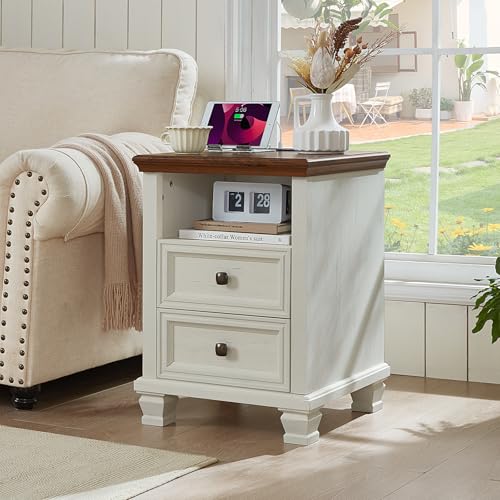
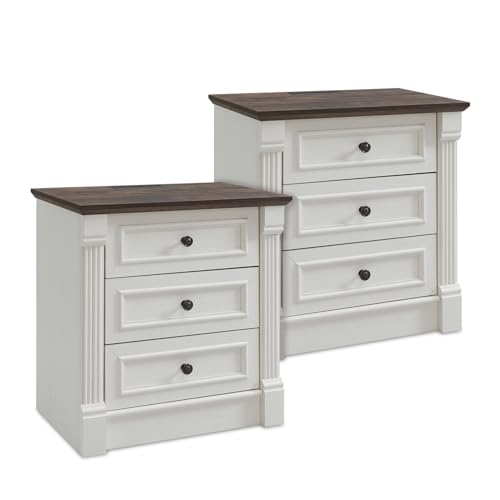
Antique Bedside Tables with Drawers: Timeless Storage for Your Bedroom
An antique bedside table with drawers is more than a place to set a lamp. It is a piece of history that brings warmth, character, and practical storage to your sleep space. This guide explains wood types, drawer construction, style periods, and placement so you can choose a nightstand that lasts for generations.
Explore Recommended PiecesWhy Choose an Antique Bedside Table with Drawers?
Antique bedside tables with drawers appeal to buyers who want more than flat-pack furniture. These pieces often feature solid wood, hand-cut joinery, and a patina that cannot be replicated by modern manufacturing. A nightstand with drawers keeps essentials close at hand — reading glasses, a book, a charger, or medication — while adding visual depth to your bedroom.
From a practical standpoint, drawers in an antique bedside table offer concealed storage that protects items from dust and clutter. From a design standpoint, an antique piece can anchor a room and complement styles ranging from rustic and farmhouse to classic and eclectic. If you are still shaping the overall look of your room, our bedroom decor guides can help you coordinate furniture and finishes.
Antique Styles and Periods to Know
Understanding style periods helps you match a bedside table to your existing bedroom furniture. The most common antique and vintage nightstand styles include:
- Victorian: Ornate carvings, turned legs, and dark woods such as mahogany or walnut. Often include marble tops on higher-end examples.
- Edwardian: Lighter and less ornate than Victorian designs, with straight lines and refined inlays.
- Arts and Crafts: Emphasis on visible joinery, oak construction, and simple geometric forms.
- Art Deco: Bold geometry, sleek surfaces, and materials such as lacquered wood, brass, or glass. See our guide to Art Deco bedside tables for a deeper dive.
- French Provincial: Soft curves, painted finishes, and delicate cabriole legs.
- Farmhouse and Rustic: Painted or distressed wood, simple drawer fronts, and practical proportions.
You do not need a fully matched set. A single antique bedside table can act as a focal point when paired with a neutral bed and bedding. If you are also selecting bedding, consider a cotton chenille bedspread for a soft, textured contrast to aged wood.
Wood Types and Materials
The material of an antique bedside table affects its durability, weight, and appearance. Common options include:
Solid Hardwoods
- Mahogany: Dense, reddish-brown wood associated with fine antique furniture. Holds carving detail well.
- Walnut: Rich, dark grain with excellent stability. Common in Victorian and Edwardian pieces.
- Oak: Heavy and hard-wearing, frequently used in Arts and Crafts and farmhouse styles.
- Cherry: Warm tone that deepens with age; often found in American antique furniture.
Veneers and Painted Finishes
Many antique tables use veneers over a solid wood core. High-quality veneer is not a defect — it was a sign of craftsmanship in period furniture. Painted finishes are common in French Provincial and farmhouse pieces. Check for lifting veneer, cracks, and repainting that may hide damage.
Drawer Construction and Storage
Drawers are the functional heart of a bedside table. When inspecting an antique piece, examine the following:
- Dovetail joints: Hand-cut dovetails indicate older, higher-quality construction. Machine-cut dovetails are common in later vintage pieces and still durable.
- Drawer runners: Wood-on-wood runners are traditional. They may need waxing to glide smoothly. Metal slides are usually a sign of later production or restoration.
- Drawer bottoms: Look for solid, unwarped bottoms. A sagging or split bottom can be repaired but affects usability.
- Hardware: Original brass or wooden pulls add character. Replacement hardware is acceptable if it suits the style.
A two- or three-drawer configuration is most common. A three-drawer wooden bedside table offers a useful balance of storage and surface area. For compact rooms, a three-drawer wooden bedside cabinet can provide closed storage without occupying much floor space.
Quality Tiers and What to Expect
Antique bedside tables fall into broad market tiers. Use these descriptors to set expectations rather than focusing on any single attribute.
| Tier | Typical Characteristics | Best For |
|---|---|---|
| Entry-level | Later vintage or reproduction pieces, simpler joinery, painted or veneered surfaces, possible cosmetic wear. | First antique purchase, guest rooms, casual bedroom styling. |
| Mid-range | Solid wood construction, dovetail drawers, original or period-appropriate hardware, minor restoration. | Primary bedrooms, buyers who want daily-use durability. |
| Premium | Fine hardwoods, hand-cut joinery, original finish, documented period or maker, excellent condition. | Collectors, formal bedrooms, long-term investment pieces. |
| Luxury | Museum-grade or rare examples, exceptional carving, original marble tops, provenance. | Serious collectors and heritage interiors. |
Mid-range pieces usually offer the best balance of character and everyday reliability. Entry-level tables can be a good starting point if you plan to refinish or repaint. Premium and luxury pieces are best sourced through reputable antique dealers who can verify age and condition.
Sizing and Placement Tips
Antique furniture was made for different room proportions than modern homes, so measure carefully before buying.
- Height: The top of the bedside table should sit roughly level with or slightly below the top of your mattress for comfortable reach.
- Width: Leave at least a few inches between the table and the bed to avoid a cramped look and to allow drawer access.
- Clearance: Check that drawers can open fully without hitting the bed frame or wall.
- Pairing: Two mismatched antique tables can look intentional and charming. If you prefer symmetry, consider a matched pair or a bedside table and chest of drawers set.
For rooms where floor space is tight, an adjustable bedside table on wheels offers flexibility, while an adjustable overbed bedside table can be useful for reading or breakfast in bed.
Care and Maintenance
Antique wood benefits from consistent, gentle care:
- Dust regularly with a soft, dry cloth. Avoid silicone-based polishes that can build up.
- Use a high-quality furniture wax once or twice a year to protect the finish.
- Keep the table away from direct heat sources and prolonged sunlight to prevent drying and fading.
- Maintain indoor humidity at a moderate level to reduce the risk of veneer lifting and wood movement.
- Wax wooden drawer runners if drawers become stiff. Avoid forcing them.
If a piece has a painted finish, clean with a damp cloth and mild soap, then dry immediately. Avoid abrasive cleaners that can dull the surface.
Buyer's Checklist
Before you commit to an antique bedside table with drawers, run through this quick checklist:
- Measure your available space, bed height, and drawer clearance.
- Inspect drawer joints, runners, and bottoms for damage.
- Check for woodworm, rot, or water damage, especially on the legs and back panel.
- Confirm that hardware is functional and replacements are easy to source if needed.
- Ask about provenance, restoration history, and any repairs.
- Decide whether the finish suits your room or whether you plan to refinish.
- Plan transport carefully — solid antique tables are heavy and should not be dragged.
Frequently Asked Questions
Are antique bedside tables with drawers sturdy enough for daily use?
Yes, provided the piece is structurally sound. Check drawer joints, leg stability, and the back panel. Mid-range and premium antique pieces made from solid hardwood are typically very durable for everyday use.
How can I tell if an antique bedside table is solid wood or veneered?
Look at the edges of the top and drawer fronts. Solid wood shows continuous grain through the edge; veneer may show a thin layer over a different wood core. Veneer is not a flaw — high-quality veneered antique furniture was common and is often very well made.
Should I refinish an antique bedside table?
Refinishing can reduce collectible value on premium or rare pieces. For entry-level and mid-range pieces, gentle restoration or a fresh paint finish is often acceptable. When in doubt, consult a professional conservator.
How do I match an antique bedside table to my existing bedroom decor?
Focus on scale, wood tone, and finish rather than exact matching. A single antique piece can work as an accent. Neutral bedding, such as a cotton matelasse bedspread, helps bridge old and new elements.
What is a good size for a bedside table with drawers?
A common width is around 18 to 24 inches, but antique pieces vary. The top should be roughly level with your mattress, and drawers should open without obstruction. Always measure your specific room and bed height.
Ready to Choose Your Antique Bedside Table?
Browse recommended pieces selected for character, drawer function, and bedroom compatibility.
View Recommended Antique Bedside Tables