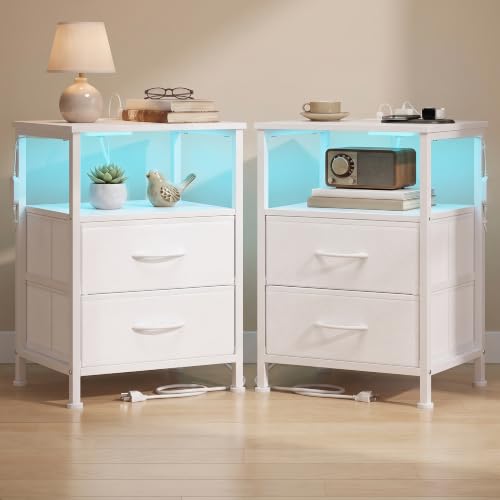
Bed with Matching Bedside Tables: Your Complete Buying Guide
A coordinated bed and bedside table set transforms a bedroom from a collection of furniture into a cohesive, restful retreat. Learn how to choose the right combination of style, scale, and materials for your space.
Why a matching set matters: A bed with matching bedside tables creates visual harmony, reduces decision fatigue during room planning, and ensures proportional consistency between the sleeping area and storage surfaces. Whether you prefer a traditional matched suite or a modern coordinated look, this guide walks you through every consideration — from dimensions and materials to layout and long-term durability.
Why Choose a Bed with Matching Bedside Tables?
A coordinated bedroom set offers practical and aesthetic advantages that go beyond surface-level styling. When the bed and its adjacent tables are designed to work together, the result is a room that feels intentional, balanced, and calm. For buyers researching bedroom furniture, understanding these benefits helps clarify whether a matching set aligns with their goals.
Visual Cohesion
Matching finishes, hardware, and design lines create a unified look that makes the bedroom feel professionally designed — without the guesswork of mixing separate pieces.
Proportional Consistency
Manufacturers design matching sets so the bedside tables are correctly scaled to the bed height and width. This prevents the common mistake of tables that are too tall, too wide, or visually overpowering.
Simplified Shopping
Buying a bed with matching bedside tables eliminates the need to cross-reference dimensions, color swatches, and style compatibility across multiple products and brands.
Long-Term Durability
Sets from a single collection typically share the same construction standards and material quality, giving you confidence that all pieces will age consistently over time.
For those who prefer a more curated, layered aesthetic, a bed with bedside tables from a coordinated collection still provides the foundation for personalization through bedding, lighting, and accessories. The matching set handles the structural harmony; your styling adds character.
Types of Bed and Bedside Table Sets
The market offers several categories of matching bedroom furniture, each with distinct characteristics. Understanding these categories helps you narrow your search and identify which tier aligns with your needs.
| Tier | Category | Best For |
|---|---|---|
| Entry-level | Engineered wood with laminate finish | Guest rooms, first apartments, temporary setups |
| Mid-range | Wood veneer, solid wood accents, upholstered options | Primary bedrooms, long-term daily use |
| Premium | Solid hardwood, hand-finished details, premium upholstery | Master suites, design-focused spaces |
| Luxury | Hardwood with artisan joinery, designer collaborations | Statement bedrooms, heirloom-quality investments |
Each tier serves a different purpose. An entry-level set delivers a clean look for spaces that see occasional use, while a mid-range set balances durability and design flexibility for everyday sleeping environments. Premium and luxury tiers focus on material refinement, construction longevity, and distinctive design details that elevate the room's overall character.
Style Considerations for a Coordinated Bedroom
The style of your bed and bedside tables sets the tone for the entire room. Consider how different aesthetics align with your existing decor and personal preferences.
Traditional and transitional sets often feature panel beds with matching nightstands that include drawers, brass or nickel hardware, and carved or molded details. These work well in rooms with classic architectural elements and layered textiles.
Modern and minimalist sets favor platform beds with low-profile bedside tables, clean lines, and finishes like matte white, charcoal, or natural oak. Handleless drawers and floating designs keep the visual weight low, making the room feel more spacious.
Upholstered sets pair a fabric- or leather-wrapped bed frame with bedside tables that share the same textile or complementary wood tones. This approach softens the bedroom and adds acoustic warmth. For those exploring upholstered bed frame options, the matching tables complete the visual story.
Rustic and farmhouse sets use reclaimed wood finishes, distressed details, and sturdy construction. The matching tables often include lower shelves or open cubbies, adding both storage and character.
If you are still deciding on the bed frame itself, reviewing a broader selection of bed frames can help you understand which styles pair most naturally with matching bedside tables in your preferred aesthetic.
Getting the Size and Proportion Right
A matching set only works if the proportions are correct. The bedside tables should feel like companions to the bed — present and functional, but never dominant or undersized.
- Height alignment: The top of the bedside table should sit level with or slightly below the mattress top. A difference of 1 to 3 inches is acceptable; larger gaps disrupt the visual line.
- Width balance: For a twin or full bed, tables 16 to 20 inches wide are appropriate. Queen and king beds can accommodate tables 20 to 28 inches wide. The table should not extend past the headboard's outer edge.
- Clearance: Leave at least 2 inches between the bedside table and the bed frame, and ensure there is enough room for the table's drawers or doors to open without obstruction.
- Symmetry: Two identical tables — one on each side — create the most balanced look. A single table on one side is acceptable in small rooms, but a matching pair is the standard for a coordinated set.
For rooms with limited floor area, a bed with built-in bedside tables offers the same coordinated look without requiring additional floor space. These integrated designs are especially useful in compact bedrooms and studio apartments.
Materials, Construction, and Durability
The materials used in a bed and bedside table set directly affect its longevity, maintenance requirements, and visual appeal. Here is what to evaluate before committing to a set.
Solid Wood Construction
- Long-term durability and structural integrity
- Can be refinished if surfaces show wear
- Natural grain patterns add warmth
- Heavier weight contributes to stability
Considerations with Solid Wood
- Sensitive to humidity and temperature fluctuations
- Heavier and harder to move
- May develop natural checking over time
- Requires occasional conditioning
Veneer and Engineered Wood
- Consistent finish and color across all pieces
- More resistant to warping in variable climates
- Lighter weight for easier rearrangement
- Wide range of finish options
Considerations with Veneer
- Cannot be sanded or refinished as easily
- Edges can chip if impacted
- Lower tier options may use thinner veneer
- Repair options are limited
Hardware quality is another critical factor. Drawer glides should operate smoothly and support the weight of stored items. Metal hardware — handles, knobs, hinges — should be firmly attached with no wobble. For beds with storage, examine the mechanism carefully; a bed with storage in a matching set should include reinforced joints and quality lifting hardware if the platform raises.
Room Layout and Placement Guidelines
Proper placement ensures that the matching set functions as intended and that the room remains comfortable and accessible.
Centering the bed: The bed should be centered on the primary wall whenever possible, with equal space on both sides for bedside tables. This creates a symmetrical focal point and ensures both sleepers have equal access to their table.
Traffic flow: Leave at least 24 inches of walking space between the bedside table and any opposing furniture or walls. In smaller rooms, this may mean choosing narrower tables or placing the bed against a corner wall with a single table.
Power access: Both bedside tables should be within reach of an electrical outlet for lamps, chargers, and other devices. If outlets are limited, consider tables with built-in USB ports or plan for extension cords discreetly routed behind furniture.
Window and door clearance: Avoid placing a bedside table directly in front of a window or door swing. The table should not obstruct ventilation, natural light, or egress.
For rooms where space is tight, exploring beds for small rooms can reveal space-saving configurations — including bed-and-table combinations that minimize the overall footprint while maintaining the coordinated look.
What to Check Before Buying a Matching Set
A careful pre-purchase evaluation prevents the disappointment of a set that looks right online but fails in practice. Use this checklist to vet any bed-and-table combination.
- Confirm exact dimensions: Measure your room, the intended wall, and the available clearance for both the bed and the tables. Compare these measurements to the product specifications — not to the product photos.
- Verify finish consistency: If purchasing pieces separately from the same collection, confirm that the finish code or SKU matches. Slight variations between production batches can occur.
- Check assembly requirements: Some sets ship flat-packed and require assembly. Confirm what tools are needed, whether assembly service is available, and how the pieces join together.
- Review weight capacity: For the bed frame, verify the stated weight capacity against your needs. For the bedside tables, confirm that the drawer weight limits are sufficient for your intended use.
- Inspect return and warranty terms: Understand the return window and warranty coverage for each piece. Coordinated sets from a single manufacturer often share warranty terms, but confirm this before purchase.
- Consider future additions: If you may add a dresser or bench later, check whether the collection includes matching companion pieces. This prevents the frustration of a discontinued line when you are ready to expand.
For a broader view of how the bed frame itself fits into the room — including adjustable and specialty base options — refer to the beds compatible with adjustable base guide. Matching bedside tables should be selected after the bed's final position and height are confirmed.
Building a Complete Bedroom Set
A bed with matching bedside tables is often the starting point for a full bedroom collection. Many manufacturers offer companion pieces — dressers, chests, benches, and mirrors — that share the same design language.
If you plan to expand the set over time, prioritize collections that are actively produced and widely distributed. Discontinued collections become difficult to match, and the secondary market rarely offers identical pieces in acceptable condition. Checking a brand's current catalog and asking about production continuity is a worthwhile step for buyers who intend to build a complete room.
For design inspiration and room-level planning, the bedroom decor section covers lighting, textiles, and layout strategies that complement a coordinated furniture set. The bed and tables provide the structure; decor fills in the personality.
Frequently Asked Questions
Final Thoughts: Choose with Confidence
A bed with matching bedside tables is more than a furniture purchase — it is an investment in the daily experience of your bedroom. By prioritizing proportion, material quality, and intentional placement, you create a space that supports rest, reduces visual clutter, and remains functional for years. Use the checklists and guidelines above to evaluate any set you consider, and remember that the best matching set is the one that fits your room, your routine, and your long-term needs.