Bed Frames Buying Guide: Types, Sizes & Materials Explained
Your bed frame is the backbone of your sleep setup. It determines how well your mattress performs, how long it lasts, and how your bedroom looks. This guide breaks down every frame type, material, and support system so you can choose with confidence.
Explore Frame TypesWhy the Right Bed Frame Matters
A bed frame does far more than hold a mattress off the floor. It provides the structural support your mattress needs to maintain its shape, distributes weight evenly across the sleep surface, and protects your investment over years of nightly use. The wrong frame can cause sagging, squeaking, and premature mattress wear — problems that quietly erode sleep quality.
Beyond function, a bed frame is a significant design anchor. It sets the visual tone of your bedroom and influences how you move through the space. Choosing wisely means balancing structural integrity, mattress compatibility, room dimensions, and personal style. If you are furnishing a complete bedroom, explore our broader bedroom furniture resources alongside this guide.
Types of Bed Frames
The frame category you choose determines assembly complexity, mattress compatibility, storage potential, and visual character. Here are the main types, ranked by construction quality tier so you can position each option relative to the market.
Metal Bed Frames
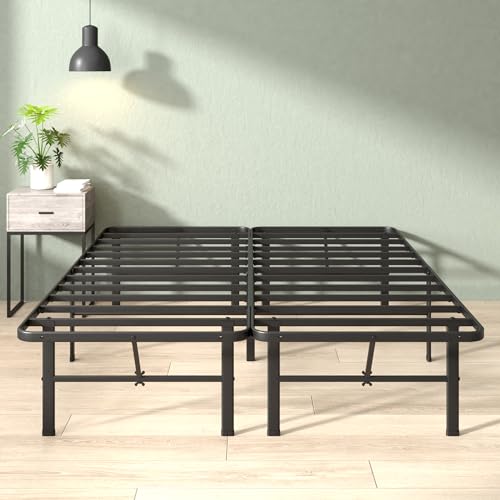
Affordable, lightweight, and easy to assemble. Entry-level metal frames are ideal for guest rooms and first apartments. Look for reinforced joints and a rust-proof finish to extend service life.
Platform Beds
A mattress-ready design with built-in slats. Platform beds eliminate the box spring, work with foam and hybrid mattresses, and offer a clean, low-profile look. Choose models with closely spaced slats for best support.
Panel Beds
Classic solid headboard and footboard design. Panel beds deliver a traditional bedroom look with dependable support. Wood and upholstered versions are available across the mid-range to premium tiers.
Upholstered Bed Frames
Fabric-wrapped frames with padded headboards create a soft, hotel-like feel. Premium upholstered frames use high-density foam and durable webbing for lasting comfort and visual warmth.
Adjustable Bed Frames
Motorized frames that raise the head and foot sections for personalized positioning. A top-tier choice for back pain, reflux, and circulation concerns. Pair with a compatible mattress.
Sleigh & Canopy Beds
Statement frames with sculpted curves or dramatic posts. Canopy and sleigh beds are luxury-tier design pieces that anchor a room. Prioritize solid joinery and premium materials at this level.
Specialty and Space-Saving Frames
Smaller rooms and multifunctional spaces call for clever engineering. Consider these options based on your room constraints:
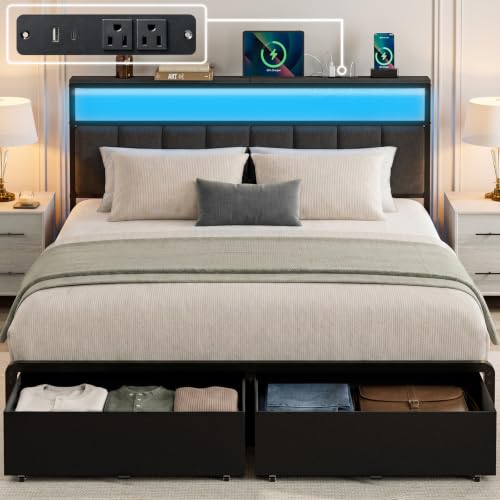
- Beds with storage — integrated drawers or lift-up compartments for linens and clothing.
- Beds that fold up against the wall — great for studio apartments and home offices.
- Beds with trundle — a second sleeping surface for guests without using extra floor space.
- Beds for small rooms — space-efficient designs tailored to compact footprints.
- Beds with LED lights — ambient under-bed lighting for a modern, functional touch.
Bed Frame Materials Compared
Material choice influences durability, weight capacity, maintenance needs, and aesthetic. Use the comparison below to match material to your priorities.
| Material | Quality Tier | Best For | Key Characteristics |
|---|---|---|---|
| High-Grade Steel | Mid to Premium | Heavy sleepers, high weight capacity | Heavy-duty, reinforced joints, rust-proof finish |
| Solid Hardwood | Premium to Luxury | Long-term investment, classic style | Durable construction, repairable, timeless grain |
| Engineered Wood | Entry to Mid-Range | Lightweight setups, value-focused rooms | Consistent finish, lighter weight, needs care in humid rooms |
| Upholstered Fabric | Mid to Premium | Soft aesthetic, reading in bed | Padded comfort, noise reduction, fabric care required |
| Leather / Faux Leather | Premium | Hotel-style bedrooms | Easy wipe-clean surface, premium look |
If you need a frame engineered for higher loads, review our guide to beds for heavy people and beds with high weight capacity. These resources explain how frame architecture — not just material — determines real-world strength.
Bed Frame Sizes & Room Fit
Size determines both comfort and how well the bed fits your room. Leave at least 24 inches of walking space on the sides you use most, and account for headboard depth and nightstand clearance.
| Size | Best For | Room Considerations |
|---|---|---|
| Twin | Children, single sleepers, small guest rooms | Fits compact footprints; pair with a twin bed skirt for a finished look |
| Full | Single adults, teens, smaller couples | Good balance of comfort and space efficiency |
| Queen | Couples in standard bedrooms | The most versatile size for most homes |
| King | Couples who want room to spread out | Requires a spacious primary bedroom |
| California King | Taller sleepers, length-focused comfort | Longer but narrower than a standard king |
For a deeper look at larger formats, read our guides to king beds and beds larger than California king. If you are working with a tight floor plan, our studio apartment bed guide covers smart layouts.
Support Systems & Mattress Compatibility
How a frame supports the mattress matters as much as the frame itself. There are three main support approaches:
- Slat systems — wooden or metal slats spaced closely together. Best for memory foam and hybrid mattresses. Look for slats no more than 2–3 inches apart.
- Box spring foundations — a spring-based base that adds height and absorbs impact. Well-suited to traditional innerspring mattresses. Learn more in our guide to beds with box spring and mattress.
- Solid platform bases — a flat, rigid surface. Provides maximum support but reduces airflow; choose ventilated designs for foam mattresses.
If you are building around a motorized base, confirm compatibility first. Our resources on bed frames compatible with adjustable beds and beds compatible with adjustable base explain what to check before you commit.
Mattress and frame must work as a system. Explore the bed-in-a-box comparison if you are still deciding on a mattress, and review beds in a box for convenient delivery options that pair well with platform frames.
Features Worth Having
Modern bed frames offer practical upgrades that improve daily life. Prioritize features that solve a real problem in your space:
- Under-bed storage — drawers, lift-up compartments, or open space for bins. See beds with storage underneath and beds with lift-up storage.
- Integrated headboards — bookcase and storage headboards add function. Compare beds with bookcase headboard and beds with storage drawers and headboard.
- Adjustability — motorized positioning for health and comfort. Review beds that adjust to your body and beds that recline up and down.
- Guest flexibility — trundle and pull-out designs. See beds that pull out another bed and beds with pull-out beds underneath.
- Integrated furniture — beds with desk options for multifunctional rooms.
Pair your frame with matching bedroom pieces for a cohesive look. Browse bedroom benches, bedroom rugs, and beds with nightstands to complete the setup.
How to Choose Your Bed Frame
Work through these decision points in order. Each answer narrows the field until a clear front-runner emerges.
- Confirm mattress compatibility. Foam and hybrid mattresses need slats or a solid base; innerspring mattresses pair well with box springs. Check our guide to bed frames that fit adjustable beds if you use a motorized base.
- Measure the room. Tape out the footprint, check door swing and closet clearance, and verify ceiling height for canopy or tall headboard designs.
- Match material to lifestyle. High-humidity rooms favor metal; family homes with children often prefer upholstered frames with rounded edges.
- Decide on storage. If floor space is tight, a storage bed or under-storage drawer bed recovers valuable room.
- Set a quality tier. Entry-level frames suit guest rooms; premium and luxury tiers suit primary bedrooms where longevity matters most.
Still comparing complete setups? Our beds for sale overview and beds and bed frames for sale pages gather the key categories in one place.
Frequently Asked Questions
What is the most durable bed frame material?
Solid wood and high-grade steel are the most durable options. Heavy-duty metal frames with reinforced joints offer exceptional longevity, while solid hardwood frames provide structural integrity and timeless appeal.
Do I need a box spring with a platform bed frame?
No. Platform bed frames feature built-in slats or a solid base that supports your mattress directly, eliminating the need for a box spring. This makes them compatible with memory foam, latex, and hybrid mattresses.
How do I choose the right bed frame size?
Measure your room and consider the sleepers. Twin and full work for single sleepers or smaller rooms, queen suits couples in standard bedrooms, and king or California king provides maximum space for couples who want room to spread out.
Are adjustable bed frames worth considering?
Adjustable bed frames are an excellent choice for people with back pain, acid reflux, or circulation issues. They allow you to raise the head and foot sections for personalized comfort and can be paired with compatible mattresses.
How often should I replace my bed frame?
A well-built bed frame can last a decade or more with proper care. Replace it when you notice squeaking, wobbling, cracked joints, or visible structural damage that compromises safety and sleep quality.
Ready to Find Your Ideal Bed Frame?
You now have the framework to choose with confidence — from material and size to support system and storage. Explore our curated recommendations to match your shortlist to real products.
View Frame Recommendations